
How Should Steel Grating Panels Be Packed for Export?
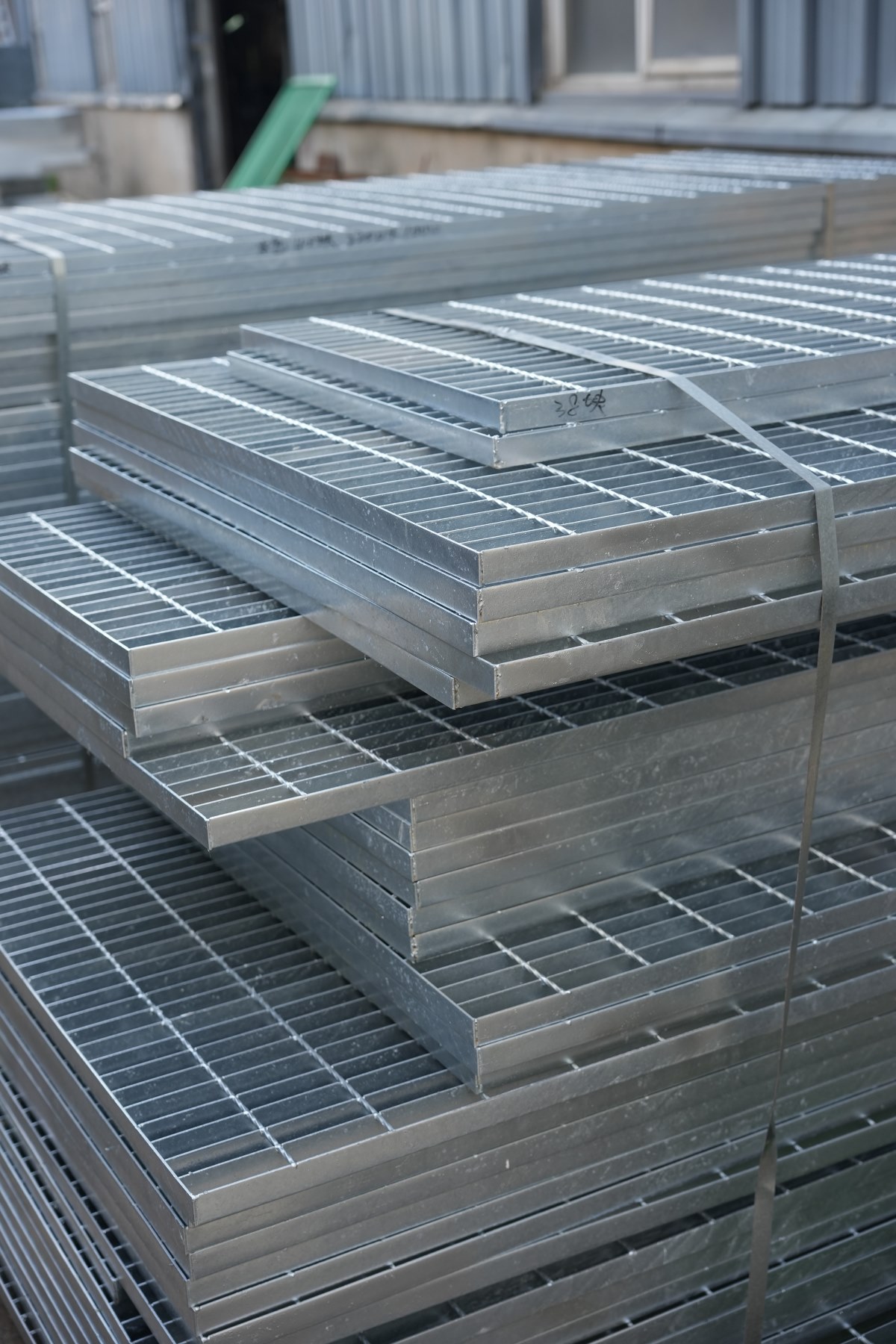
Steel grating export packing should be planned from the approved panel schedule and the destination unloading method. Buyers should state how panels are grouped, marked, protected, restrained, lifted and matched to the packing list. QY can then return a proposed bundle and loading basis for review instead of applying one assumed packing method to every shipment.
Answer summary: Send the panel marks, sizes, quantities, unit and total weight basis, bundle grouping, package limits if controlled, lifting and unloading method, protection needs, destination, transport mode and document requirements. Approve the packing and loading plan before shipment; a product photo or total square-meter quantity is not enough.
What is the best steel grating export packing method?
There is no single best method for every project. Neat rectangular panels, irregular cut panels, stair treads, loose clips and framed trench covers create different grouping and handling needs. The correct RFQ starts with the finished items and the consignee’s unloading plan, then asks for a proposed package.
The main product route is steel bar grating. The steel grating RFQ checklist owns the complete product specification; this page owns the narrower export packing, marking and loading decision.
Packing must not be used to hide an incomplete panel schedule. Before bundle planning, confirm panel size, marks, finish, cutouts, loose accessories and quantity. Project-specific limits for package weight, height, lifting or storage should come from the buyer or responsible logistics party.
Which packing approach fits the shipment?
| Shipment condition | Packing question to resolve | What should not be assumed |
|---|---|---|
| Repeated rectangular panels | Can identical marks be grouped into stable, countable bundles? | Total area alone does not define bundle contents |
| Mixed panel marks | Should bundles follow installation area, level or drawing sequence? | One mixed bundle is not automatically easier on site |
| Irregular or cut panels | What separation, support or edge protection is required? | Standard rectangular packing may not protect projections or cut edges |
| Stair treads and accessories | Are treads, clips, bolts or frames packed and labeled separately? | Loose hardware should not be assumed included with every bundle |
| Limited unloading equipment | What package dimensions and handling points can the receiver accept? | Factory handling conditions may differ from destination conditions |
| Container shipment | How will bundles be positioned, restrained and removed? | A container type does not prove the loading or unloading plan is safe |
Best fit: a documented package plan tied to panel marks, quantity and a known unloading method.
Not a good fit: “standard export packing” with no bundle list, no package constraints and no confirmation of how the receiver will unload or identify the panels.
Specification details to confirm
| Detail | Why it matters | What buyers should send |
|---|---|---|
| Product and finish | Defines the packed item and protection discussion | Grating type, finish, surface and accessory scope |
| Panel schedule | Controls bundle contents | Panel marks, sizes and quantities by drawing |
| Packed-weight basis | Supports handling and freight planning | Confirmed or estimated panel weight plus requested package limit if controlled |
| Bundle grouping | Connects packing to site sequence | Group by mark, area, level, size or buyer instruction |
| Separation and protection | Addresses contact, projections and finish concerns | Required spacers, wrapping, edge protection or “proposal requested” wording |
| Restraint | Keeps the proposed package reviewable | Requested strap, frame or pallet basis where specified; otherwise ask QY to propose |
| Lifting method | Connects package form to handling | Forklift, crane or other approved destination method and available clearance |
| Unloading condition | Prevents factory-only assumptions | Side/rear access, equipment limits, storage area and responsible party |
| Labels and marks | Makes bundles traceable | PO, drawing, area, bundle and panel-mark format |
| Packing list | Reconciles physical bundles and documents | Required fields, language and document recipient |
| Transport and destination | Affects packing review | Mode, country or port, delivery point and any buyer-controlled restrictions |
| Approval | Prevents late changes | Who reviews the packing and loading proposal and by what date |
QY can review these inputs with the panel list before pricing or shipment planning. Exact packaging materials, package dimensions, packed weight and loading arrangement should remain proposed and verified items unless the project has already approved them.
Terms buyers should define
- Bundle mark: The identifier connecting a physical package to the packing list and panel schedule.
- Panel mark: The drawing identifier for an individual panel or repeated panel type.
- Packing list: The shipment document listing packages and contents; required fields should be agreed before issue.
- Unloading plan: The receiver’s approved method and constraints for removing and handling packages at destination.
These terms should connect to one another. A bundle mark that does not map to panel marks will not help installation teams find the correct pieces.
What do the QY packing images prove?
QY’s approved photographs show real steel grating panels stacked in groups, restrained with straps and marked on panel edges. A second approved image shows steel grating being loaded into a shipping container at the factory.
These photographs directly support QY’s real packing and loading context and the need for bundle grouping, marks and unloading inputs. They do not prove that the photographed method suits another order, that a particular package weight or restraint is adequate, that every shipment uses the same material, or that damage-free delivery is guaranteed.
The buyer should use the photographs as evidence that the RFQ can discuss actual packaged steel grating—not as a substitute for the approved project packing plan.
How should bundle marks and the packing list work together?
Start with the panel schedule. Assign or retain a panel mark for each piece type, decide the grouping rule, and give each proposed bundle a unique mark. The packing list should then show which panel marks and quantities belong to each bundle.
If installation sequence matters, state it before packing. For example, the buyer may want bundles separated by drawing area or erection stage. QY can review that request against panel geometry and proposed handling, but should not invent the site sequence.
Labels should use buyer-approved identifiers and language. Do not publish or assume customer-specific label formats, shipping marks or document content without the actual order requirements.
What should buyers prepare before sending an RFQ?
Prepare the following with the steel grating specification:
- Approved or current panel schedule with marks, sizes and quantities.
- Grating type, finish, cutouts, toe plates, frames and loose accessories.
- Weight estimate source and any buyer-controlled package limit.
- Preferred grouping by mark, area, level, size or installation stage.
- Separation, wrapping, edge and surface-protection requirements.
- Destination lifting and unloading equipment, access and clearance.
- Transport mode, destination and storage condition.
- Bundle-label and shipping-mark format.
- Packing-list and document requirements.
- Responsible reviewer for the proposed packing and loading plan.
For weight inputs, use the steel grating weight RFQ guide. Weight helps planning but does not replace panel geometry, package stability or responsible handling review.
What can QY review before pricing?
QY can review whether the inquiry identifies the products, grouping rule, marks, handling constraints, protection requests, destination and documents clearly enough to price the packing scope. QY can also flag when an irregular panel, mixed bundle, accessory package or unloading limit needs more detail.
Final load securing, transport compliance, lifting safety and site handling remain subject to the approved package, carrier requirements and responsible parties. The page does not make a universal logistics or safety promise.
For drawing, fabrication and packing support context, see QY Metal Tech services.
RFQ checklist
Before sending a steel grating export packing RFQ, confirm:
- Panel schedule, marks, sizes and quantities.
- Product type, finish and accessory scope.
- Bundle grouping rule.
- Packed-weight basis and controlled package limits, if any.
- Separation, protection and restraint request.
- Lifting and destination unloading method.
- Transport mode, destination and storage condition.
- Bundle labels, shipping marks and packing-list fields.
- Drawing and document revisions.
- Packing/loading proposal reviewer and approval responsibility.
Related QY pages
- Steel bar grating for the main product route.
- Steel grating RFQ checklist for the complete product specification.
- Steel grating weight guide for unit and total packed-weight inputs.
- Steel grating panel layout guide for marks, cutouts and finished-piece scope.
- QY Metal Tech services for drawing, fabrication and packing-review context.
- Contact QY Metal Tech when the panel schedule and destination requirements are ready.
FAQ
Is pallet packing always required for steel grating exports?
No. The proposed package should follow panel geometry, weight, handling, destination and buyer requirements. Ask for the packing basis instead of assuming one universal method.
What should a steel grating bundle label include?
Use buyer-approved identifiers that connect the bundle to the purchase order, drawing, panel marks, quantities and packing list. The exact format should be confirmed for the order.
Can steel grating be packed from a total square-meter quantity?
No. Packing review needs panel sizes, marks, piece quantities, irregular details, accessories, weight basis and the intended grouping and unloading method.
Does a packing photo guarantee the same loading method for my order?
No. A photo proves relevant QY packing context, but the actual order needs its own verified package, restraint, loading, transport and unloading plan.
Related links
Related products and RFQ guides
- Steel grating productsOpen the related product family section.
- Steel grating topic entrySteel grating family page for platform grating, stair treads, drain covers, serrated grating, galvanized grating and drawing-based RFQs.
- Galvanized steel gratingRelated product or guide page.
- Steel grating stair treadsRelated product or guide page.
- Steel Grating RFQ Checklist for International BuyersRFQ checklist for steel grating buyers covering application, panel or opening size, bearing bar direction, support span, finish, quantity, packing, destination and drawings.
- FRP Grating vs Galvanized Steel Grating for Wet AreasComparison guide for wet or corrosive area grating selection, covering FRP grating and galvanized steel grating by environment, traffic, support, cutouts and quotation details.


