
Steel Grating RFQ Checklist for International Buyers
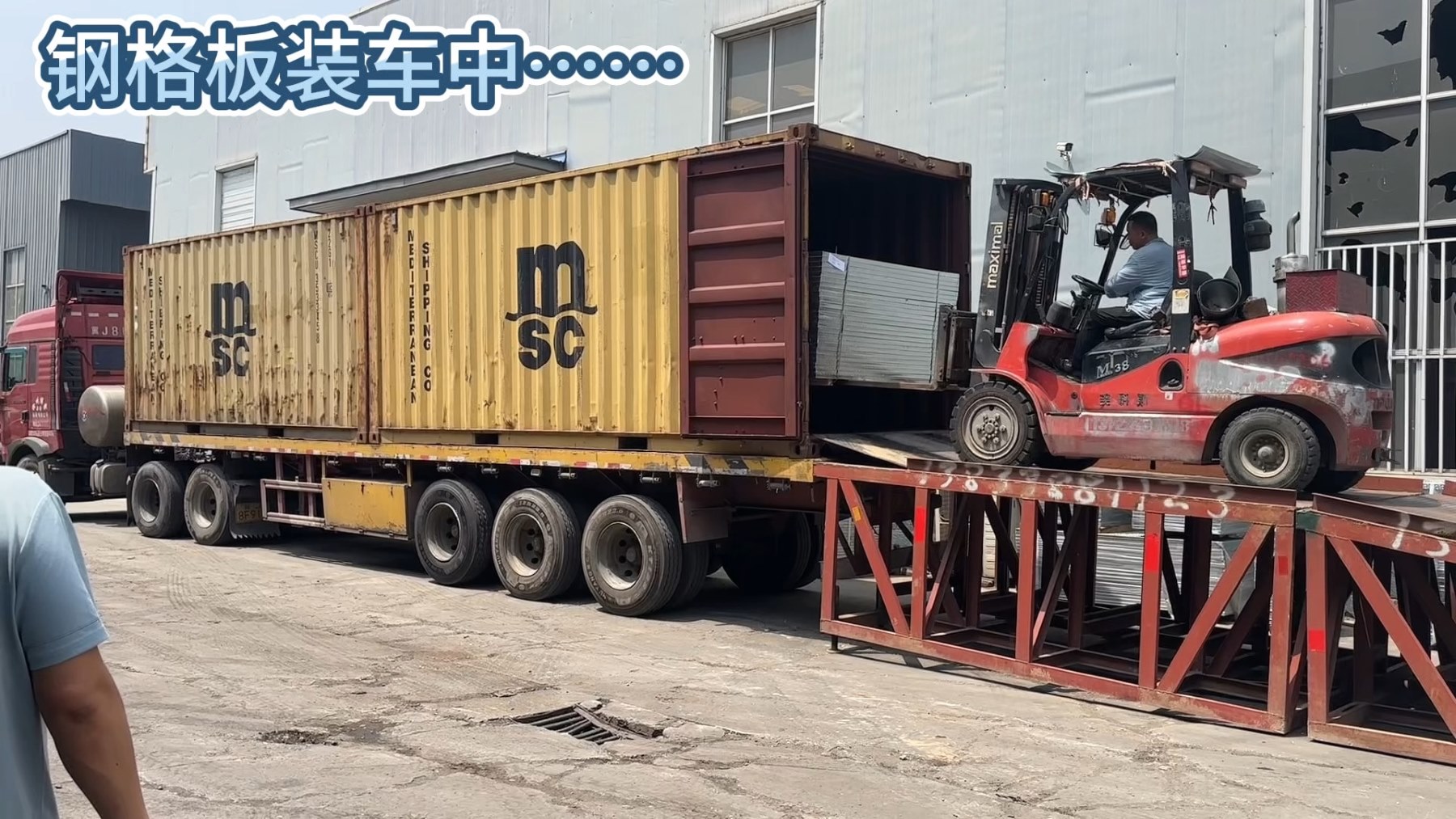
A steel grating RFQ is easier to review when the buyer sends the application, panel or opening size, bearing bar direction, support span if known, traffic or load expectation, surface finish, quantity, packing needs, and destination. If drawings are available, include them. If drawings are not available, send photos, sketches, and site dimensions so QY Metal Tech can review the product family, fabrication details, packing, and quotation basis before pricing.
Answer summary: A useful steel grating RFQ should explain where the grating will be used, what size it must cover, how it will be supported, what finish is expected, how many pieces are needed, and where the shipment will go.
When is this checklist useful?
This checklist is for international buyers, contractors, distributors, and procurement teams preparing a steel grating inquiry. It is especially useful when the buyer wants to avoid several rounds of email clarification before quotation.
Steel grating is often used for platforms, stair treads, trench covers, drain covers, and industrial access areas. The quotation can change when the support condition, panel layout, finish, packing, or cutting details change. That is why QY reviews project details before confirming the quotation basis.
For the closest product family page, see steel bar grating. For drawing review, fabrication, and packing support, see QY Metal Tech services.
What details should be included in a steel grating RFQ?
Use this as a practical decision table before sending the inquiry.
| RFQ detail | Why it matters | What to send |
|---|---|---|
| Application | Helps identify whether the grating is for access, drainage, trench covering, stair treads, or another use | Project type, location in the project, and photos if available |
| Panel or opening size | Affects layout, cutting, packing, and quantity review | Panel size, trench size, opening size, or drawing dimensions |
| Bearing bar direction | Helps review how the grating is supported | Direction mark on drawing or a note showing the support direction |
| Support span if known | Helps QY understand the support condition before quotation | Span information from drawing or site sketch |
| Traffic or load expectation | Gives context without replacing engineering review | Foot traffic, cart traffic, maintenance access, or other use condition |
| Finish | Affects surface protection, appearance, and packing notes | Hot-dip galvanizing, painted finish, stainless material request, or other finish preference |
| Quantity and destination | Needed for quotation and packing review | Piece quantity, total area if known, destination country or port |
| Packing and marks | Helps avoid export packing confusion | Bundle marks, pallet request, loading notes, or label requirements |
What if drawings are not available?
QY can sometimes start a preliminary review without drawings, but the buyer should still send enough information to understand the application.
Useful alternatives include:
- Clear photos of the site or existing grating.
- Sketches with opening size and support direction.
- Quantity list or rough panel schedule.
- Notes about whether the area is indoor, outdoor, wet, oily, or corrosive.
- Finish preference and destination.
Without drawings, the quotation may need more clarification before it can be treated as final. QY should not assume load capacity, support span, finish details, or installation conditions that the buyer has not confirmed.
Why does bearing bar direction matter?
Bearing bar direction is one of the most important details in a steel grating RFQ because it relates to how the grating is supported. If the bearing direction is unclear, the same opening can be interpreted in different ways.
Buyers can reduce confusion by marking an arrow on the drawing or writing a simple note such as "bearing bars run left to right" or "bearing bars run along the short side." If the support condition is not clear, QY can review the drawing and ask for clarification before pricing.
This is not a substitute for project engineering approval. It is a quotation and fabrication review step.
What finish and packing details should buyers confirm?
Surface finish should be stated clearly in the RFQ. Common buyer requests may include hot-dip galvanizing, painted finish, or stainless material, but QY should review the actual project requirement before confirming what is suitable.
Packing details are also important for export orders. Buyers should mention:
- Whether bundle marks are required.
- Whether pallets or steel frames are preferred.
- Whether pieces need separation or protection notes.
- Whether loading or unloading conditions matter.
- Whether the destination has special documentation or marking needs.
These details help QY prepare a cleaner quotation and avoid late packing changes.
RFQ checklist
Before sending a steel grating RFQ, prepare:
- Application or project type.
- Panel size or trench/opening size.
- Bearing bar direction.
- Support span if known.
- Load requirement or traffic condition if available.
- Surface finish, such as hot-dip galvanizing, paint, or stainless material request.
- Quantity.
- Destination.
- Packing, marks, or loading request.
- Drawings, sketches, or photos.
Related QY pages
- Steel bar grating for the closest product family.
- Steel grating export packing and loading RFQ for bundle grouping, marks, unloading inputs and packing-list coordination.
- QY Metal Tech services for drawing review, fabrication, packing, and export support.
- Contact QY Metal Tech when the RFQ is ready to send.
FAQ
What information should be included in a steel grating RFQ?
A steel grating RFQ should include the application, panel or opening size, bearing bar direction, support span if known, traffic or load expectation if available, finish, quantity, destination, packing needs, and drawings or photos.
Can QY quote steel grating without drawings?
QY may be able to start a preliminary review without drawings, but photos, sketches, opening size, application, quantity, finish, and destination are still needed. A final quotation may require more details.
Why does bearing bar direction matter?
Bearing bar direction affects how the grating is supported and interpreted from the drawing. Buyers should mark the bearing direction or explain it in the RFQ to reduce clarification time.
Should buyers send load requirements?
If a project has load or traffic requirements, buyers should send them with the RFQ. QY should review the information before quotation and should not invent load capacity without project data.
Related links
Related products and RFQ guides
- Steel grating productsOpen the related product family section.
- Steel grating topic entrySteel grating family page for platform grating, stair treads, drain covers, serrated grating, galvanized grating and drawing-based RFQs.
- Galvanized steel gratingRelated product or guide page.
- Steel grating stair treadsRelated product or guide page.
- FRP Grating vs Galvanized Steel Grating for Wet AreasComparison guide for wet or corrosive area grating selection, covering FRP grating and galvanized steel grating by environment, traffic, support, cutouts and quotation details.
- How to Choose Steel Grating for Industrial PlatformsIndustrial platform grating selection guide covering platform use, support span, bearing direction, panel layout, finish, cutouts, fixing clips, drawings and RFQ details.


