
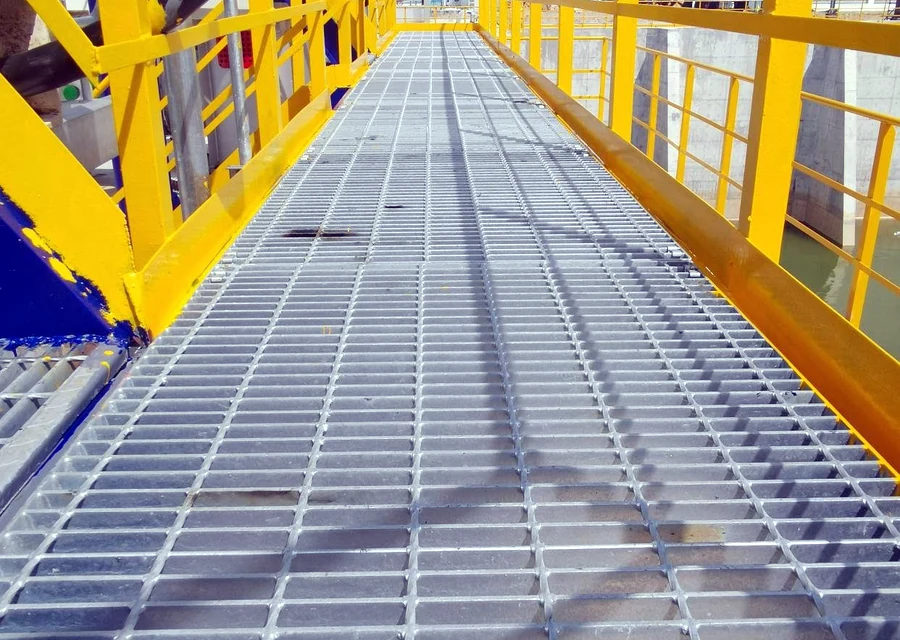
Technical resource
Serrated vs Smooth Grating Guide
Compare serrated and smooth grating surfaces by wet, oily, outdoor, stair and dry platform conditions before confirming RFQ details.
Choose surface type by walking condition
Choose serrated grating when traction is a major concern; choose smooth grating when the project needs general open-grid flooring and the walking surface is normally dry or controlled.
The difference is mainly the bearing bar surface. Serrated grating has notched bearing bars that give the shoe more edges to contact, so it is often selected for wet platforms, oily maintenance routes, outdoor walkways, drainage zones and stair treads. Smooth grating uses flat bearing bars and is common for standard industrial flooring, catwalks, mezzanine access and trench covers where drainage, ventilation and load support are more important than added anti-slip texture.
Surface type should be checked together with support span, bearing bar direction, bearing bar size, cross bar spacing, load requirement, material, finish, fixing method and packing. For outdoor projects, traction and corrosion resistance should be treated as two separate decisions.
Use the checklist to confirm walking condition, surface choice, load data, finish and project drawings before quotation.
Main comparison table
| Serrated grating | Notched bearing bars for improved traction in wet, oily, outdoor or sloped walking areas. |
|---|---|
| Smooth grating | Flat bearing bars for general platforms, catwalks and drainage covers. |
| Load selection | Both types still require correct bar size, spacing and support span review. |
| Finish options | Both can be hot-dip galvanized, painted, powder coated or supplied in stainless material. |
| RFQ focus | Send surface type together with drawings, dimensions, load data and application notes. |
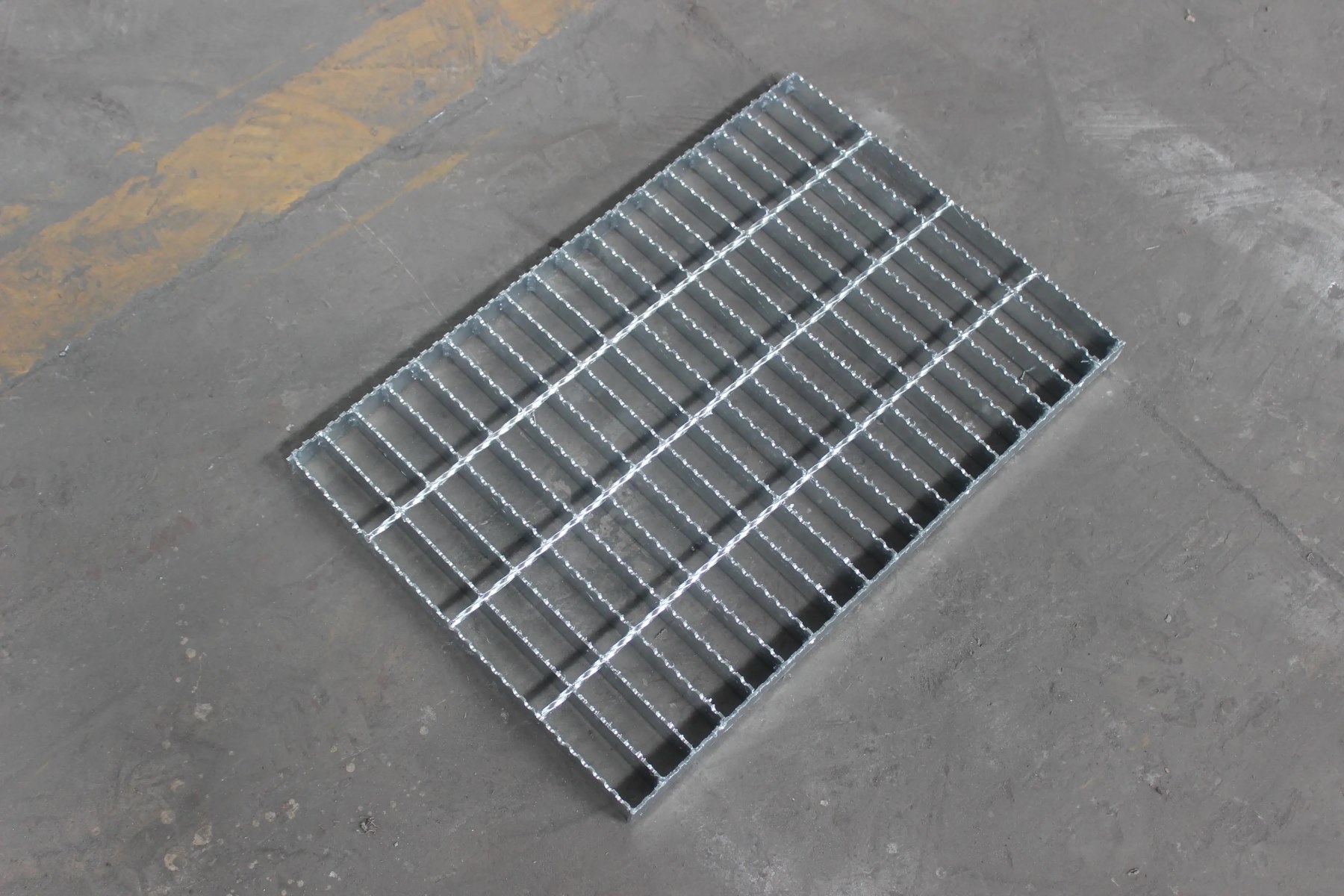
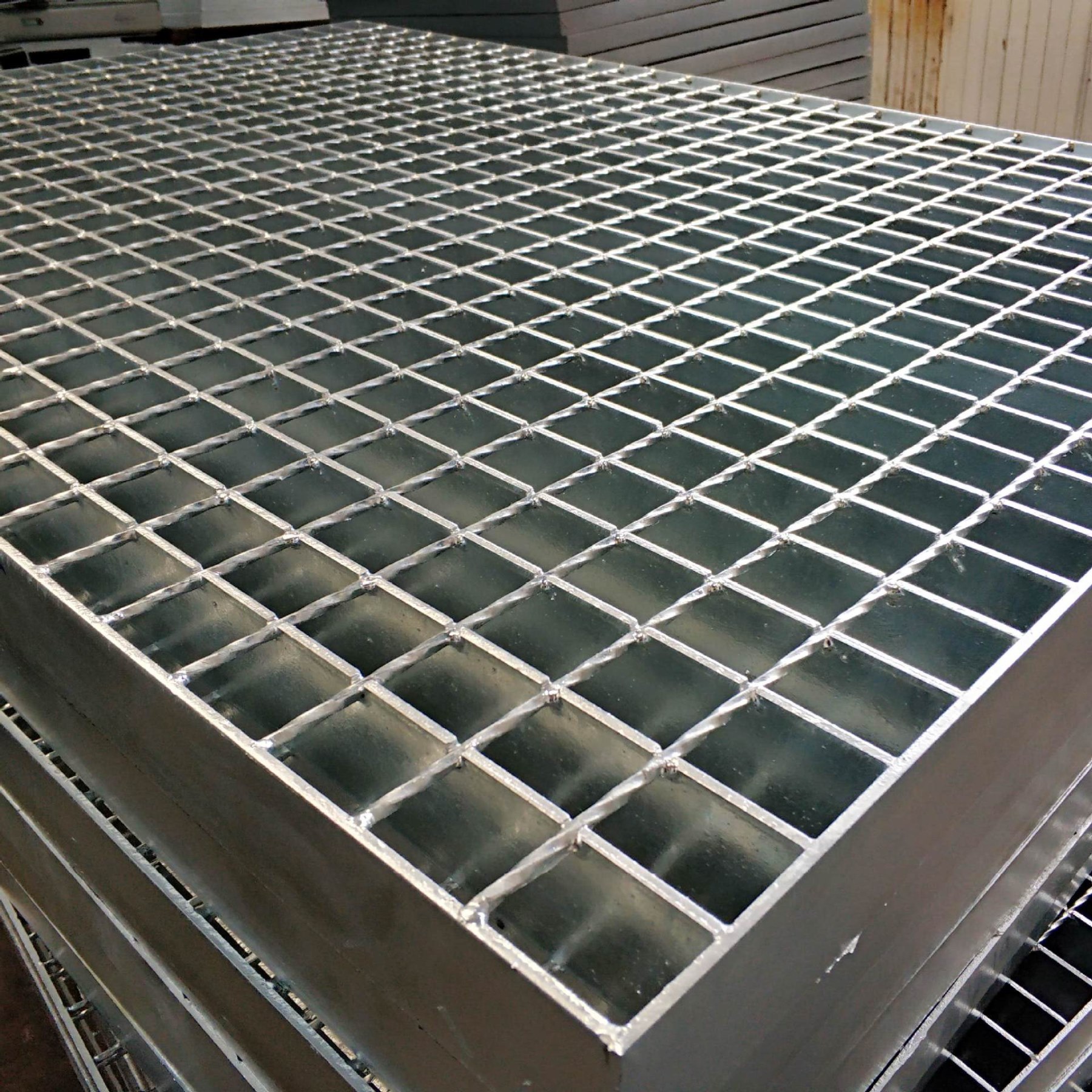
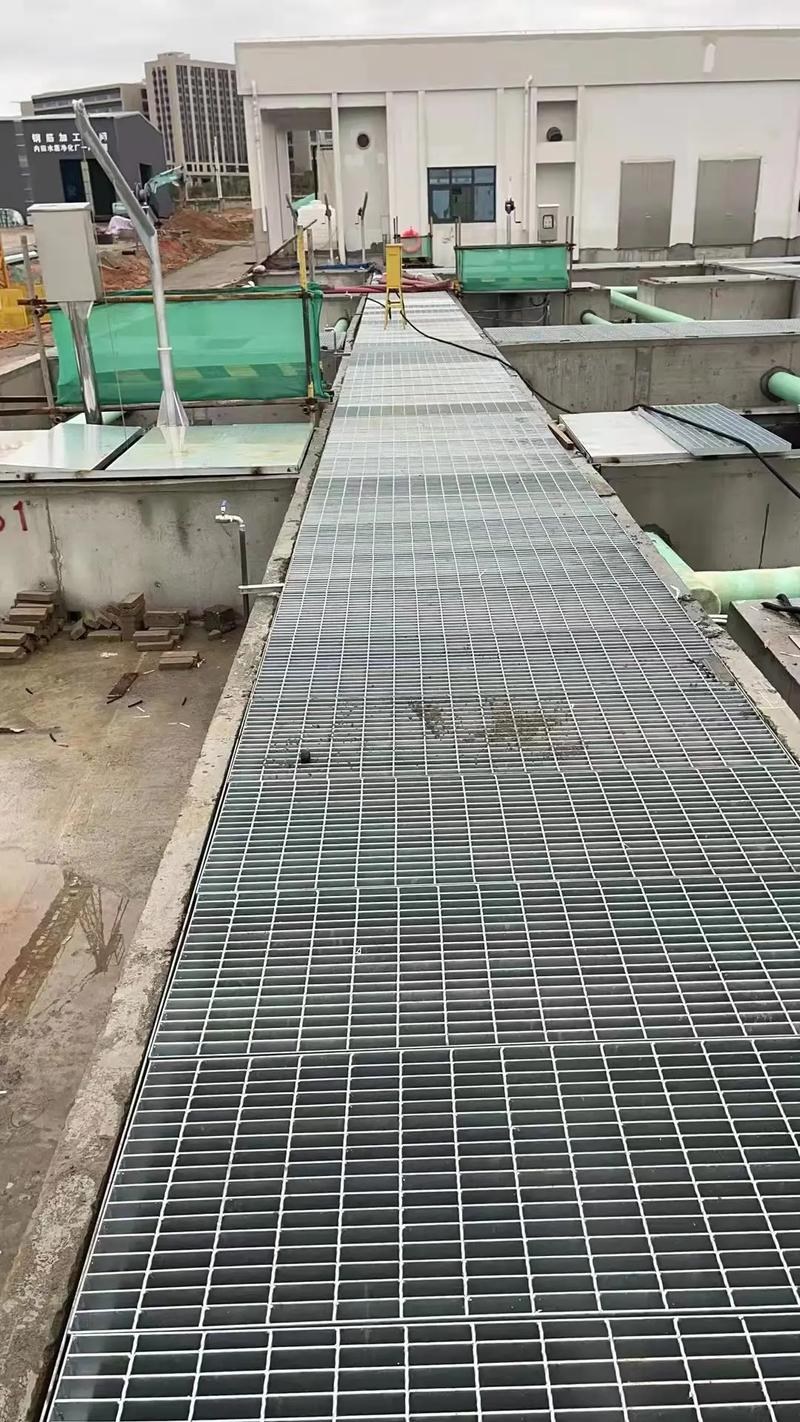
Surface visual check
Compare the surface before choosing serrated or smooth grating
Use the photos as a quick visual reference. Final choice still depends on load, support span, walking condition, finish and project drawings.
Decision guide
Surface condition should drive the serrated vs smooth decision
In many RFQs, the surface choice becomes clear after the buyer describes how the grating will be used and what the walking area will be exposed to.
Wet walking route
Review serrated grating when rain, washdown water or drainage flow may remain on the surface.
Oily maintenance area
Use serrated grating around equipment, oil handling areas and service paths where traction matters.
Dry platform
Smooth grating is often suitable for controlled indoor platforms, mezzanines and maintenance decks.
Outdoor project
Review traction separately from galvanized finish when the grating will be exposed to weather.
Stair or sloped access
Serrated bars are commonly discussed for stair treads, ramps and sloped access areas.
Drawing review
Confirm panel layout, bearing bar direction, support span and fixing details before quotation.
Recommended surface by application
| Wet outdoor walkway | Serrated grating is usually reviewed, often with hot-dip galvanizing for corrosion protection. |
|---|---|
| Dry indoor platform | Smooth grating is often enough when the surface is controlled and normally dry. |
| Washdown or oily area | Serrated galvanized grating may combine traction and outdoor finish requirements. |
| Equipment platform | Choose by spill risk, maintenance frequency, load requirement and support span. |
| Stair tread or sloped route | Serrated bearing bars are commonly reviewed with nosing, side plates and bolt holes. |
Wet, oily and outdoor application scenarios
Serrated grating is most useful when the walking surface is less predictable. Outdoor walkways can collect rainwater. Industrial maintenance areas can be affected by oil, dust or process residue. Drainage covers and wastewater platforms can be wet during normal use.
Smooth grating remains useful when the environment is cleaner, drier or easier to control. It is also simple to specify for standard platforms, catwalks and floor openings when load, span and open area are already the main design questions.
Use cases
Common smooth grating and serrated grating applications
Both products can be fabricated from carbon steel and supplied with hot-dip galvanized finish for outdoor use. The practical difference is how the walking surface should behave in the project environment.
- Smooth grating: indoor platforms, general catwalks, mezzanine access, trench covers and equipment floors.
- Serrated grating: wet walkways, outdoor stairs, oily maintenance routes, drainage covers and exposed service platforms.
- Galvanized serrated grating: outdoor areas that need both traction and corrosion resistance.
- Stair treads: serrated or smooth grating with side plates, nosing and bolt holes by drawing.
Material and finish considerations
| Carbon steel | Common base material for welded steel grating and cost-focused industrial projects. |
|---|---|
| Hot-dip galvanized | Common for outdoor, wet, wastewater and infrastructure environments. |
| Stainless steel | Can be discussed when corrosion exposure requires a different material choice. |
| Painted or powder coated | May be reviewed for indoor or project-specific appearance requirements. |
| Serrated plus galvanized | Useful when the project needs improved traction and outdoor corrosion protection together. |
Specification notes before quotation
When comparing serrated and smooth grating, buyers should avoid sending only the surface name. The supplier still needs enough information to understand load direction, support span, panel dimensions, fabrication details and installation environment.
Drawings are the best way to show panel direction, openings, cutouts, side plates, fixing clips and stair tread details. If drawings are not ready, a sketch with dimensions, support span and application notes can still help prepare a practical first quotation.
RFQ checklist
| Surface choice | Serrated or smooth, plus reason for the selection if known. |
|---|---|
| Panel data | Panel width, length, bearing bar direction, support span and quantity. |
| Bar data | Bearing bar size, bearing bar spacing, cross bar spacing and load requirement. |
| Finish | Mill finish, hot-dip galvanized, painted, powder coated or stainless material. |
| Project details | Application, environment, destination, packing preference and drawings. |
Surface selection RFQ
Help buyers choose serrated or smooth grating for quotation
Search visitors comparing serrated and smooth grating should be guided toward application, walking condition, finish and drawing details.
- Walking conditionWet, oily, outdoor, maintenance access or general indoor use.
- Panel dataProduct type, panel size, support span, bearing direction and quantity.
- Finish requestGalvanized, painted, stainless or project-specified surface requirement.
RFQ support
Need help choosing serrated or smooth grating?
Send drawings, surface condition, load requirement, material, finish, quantity and destination. QY Metal Tech will review the details and reply with quotation support.
Product and RFQ path
Use this guide to move into the right product page
Once the walking surface is selected, connect the choice to grating, galvanized finish or stair tread pages before requesting price.


