
Technical resource
FRP Anti-slip Surface
Notes
Compare concave, gritted and covered-top
FRP grating surfaces for wet, oily,
washdown and pedestrian areas.
FRP anti-slip review
Choose surface by water, traffic and cleaning method
FRP grating surface should be selected by real walking conditions: dry or wet access, oily or soapy washdown, barefoot contact, pedestrian or wheel traffic, drainage needs and cleaning frequency. Use this page to decide whether concave, gritted or covered-top FRP surface should be discussed before quotation.
- Wet, oily, soapy, dry or outdoor walking condition
- Pedestrian only, carts, narrow wheels or maintenance traffic
- Cleaning frequency, dirt build-up and drainage requirement
- Comfort needs such as barefoot areas, stairs or long walkways
FRP surface direction by application
This matrix is a pre-selection guide for RFQ discussion. Final choice should also consider resin, panel thickness, mesh size, span, load and local safety requirements.
| Dry maintenance walkway | Concave molded FRP surface is often a practical starting point when drainage, easy cleaning and general walking comfort are important.Typical pages: molded FRP grating, FRP selection guide. |
|---|---|
| Wet walkway or drainage floor | Concave or gritted surface can be reviewed depending on water volume, walking route, slope, cleaning method and whether the area remains wet for long periods.Send photos or drawings when the area has standing water or frequent washdown. |
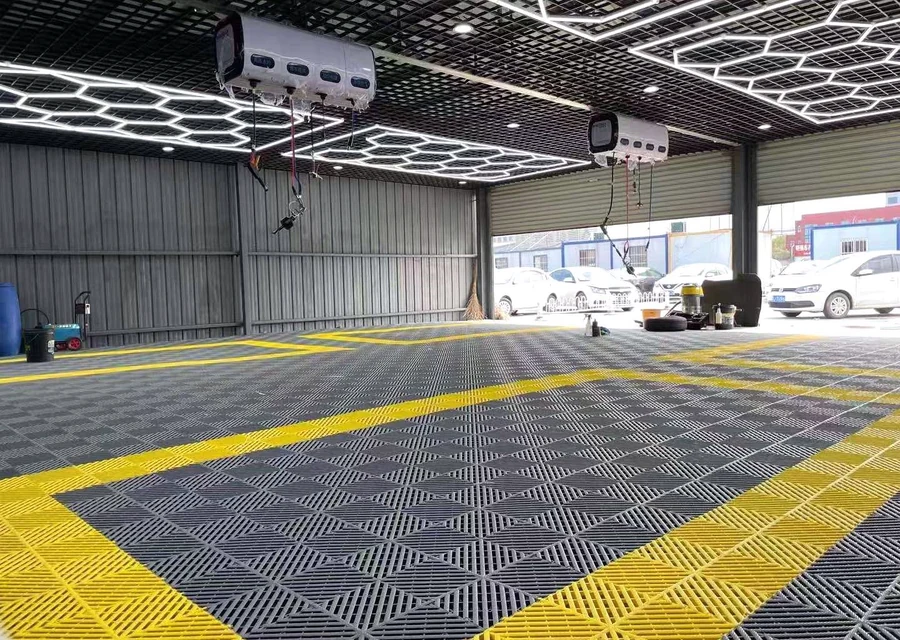
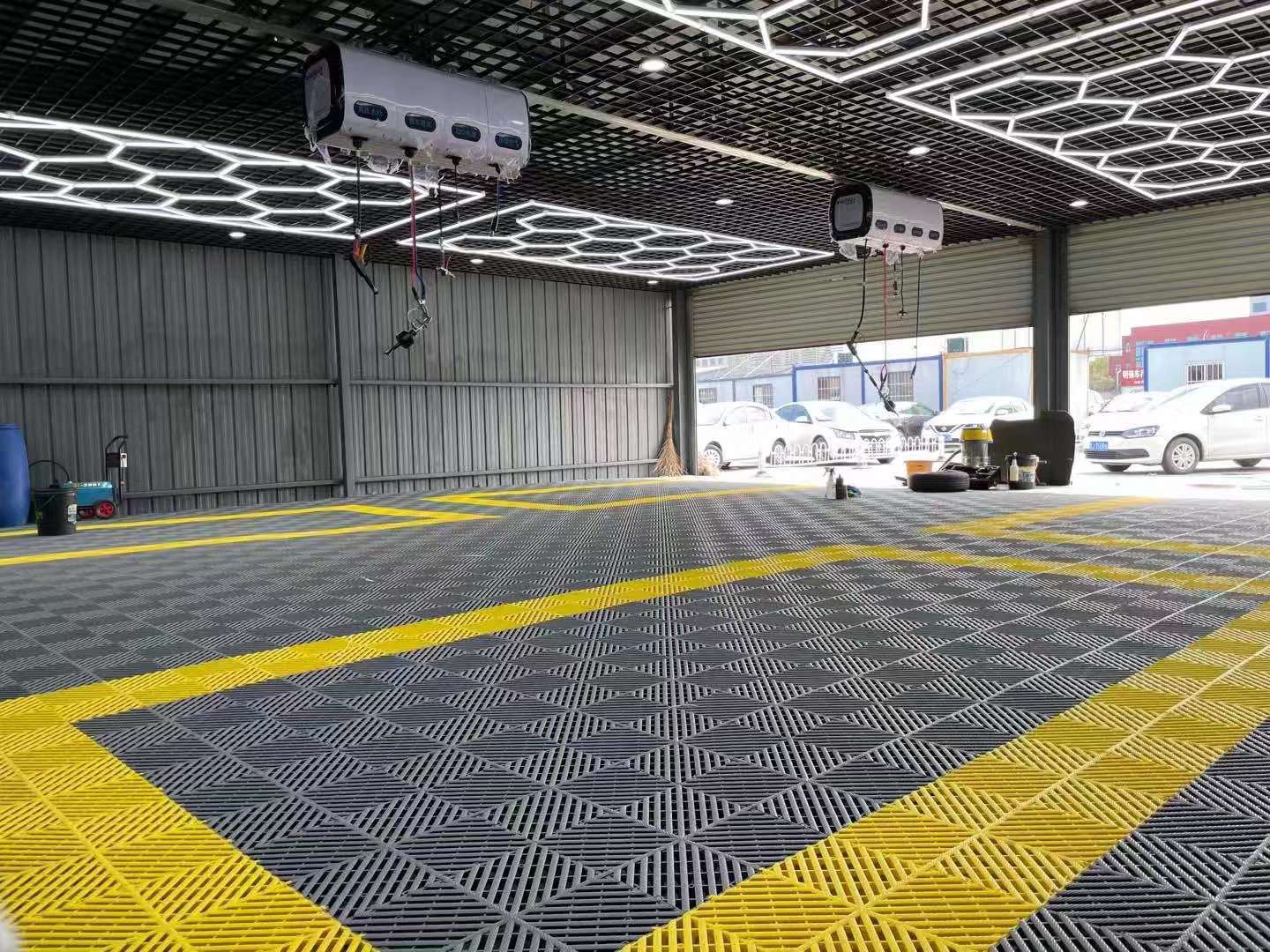
| Oily, soapy or car wash bay | Gritted surface or project-specific anti-slip review is usually discussed for detergent, oil, frequent cleaning and vehicle wash areas.Cleaning method matters because aggressive grit can hold dirt in some applications. |
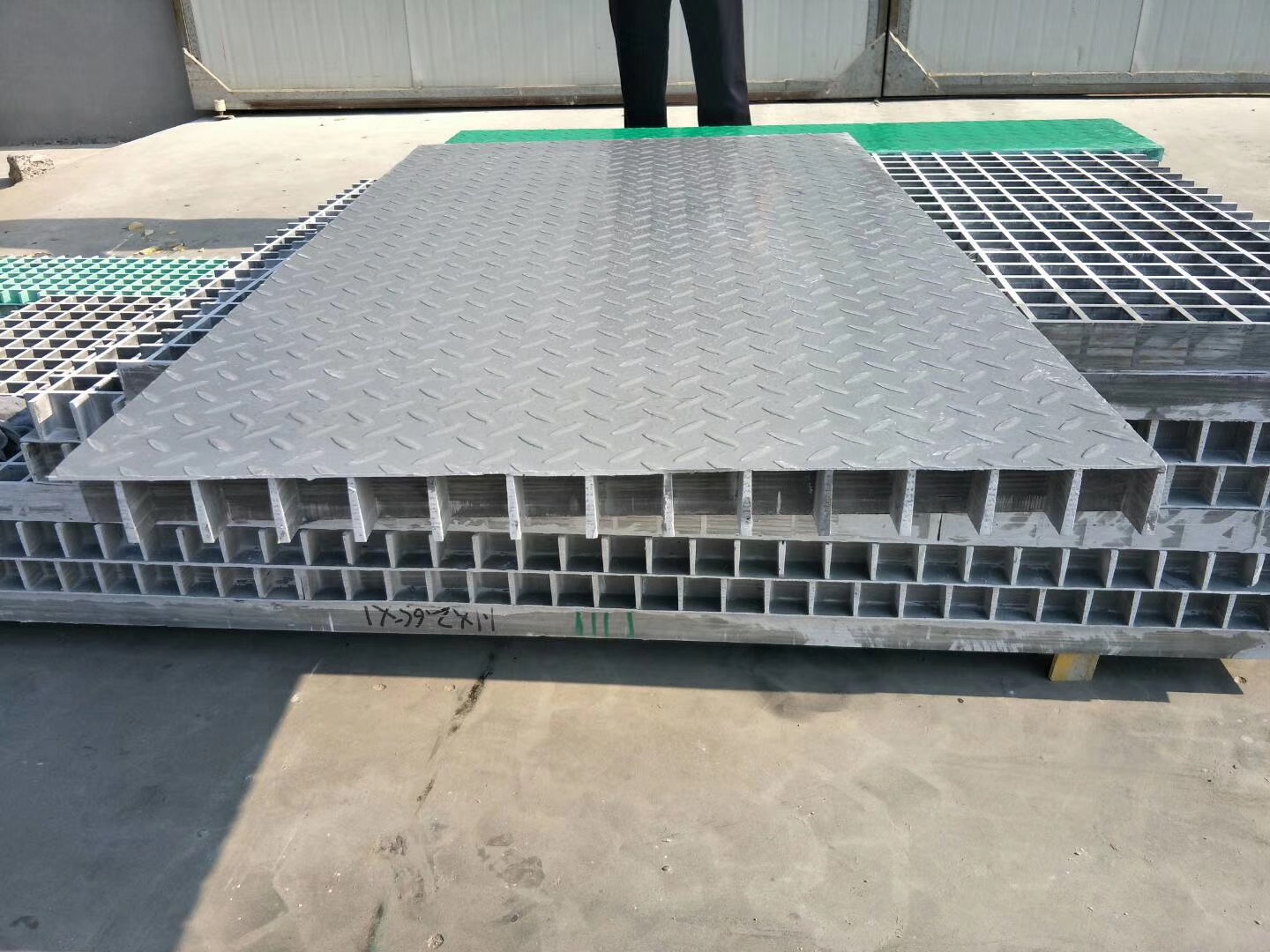
| Trench cover and narrow wheels | Covered-top FRP or closer mesh may be reviewed when small items, trolley wheels, narrow casters or a more closed walking surface are required.Confirm drainage, weight, support span and whether removable covers are needed. |
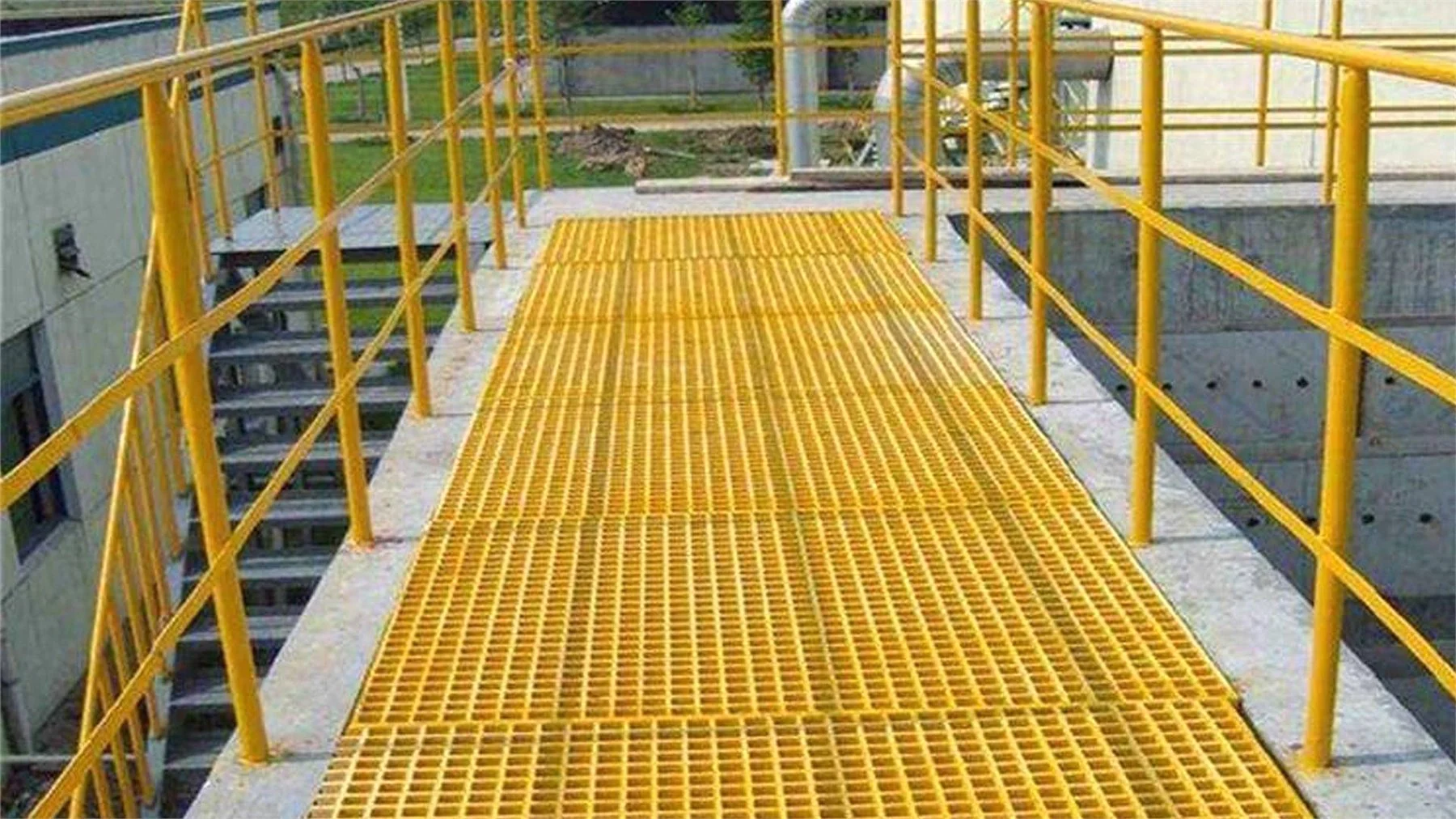
| Stairs, ramps or public access | Review surface grip together with nosing, panel fixing, edge protection and contrast marking. Local pedestrian safety requirements may affect the final choice.Send stair tread size, fixing detail and expected user traffic. |
Anti-slip RFQ checklist
Describe how people use the area and what makes it slippery.
- Dry, wet, oily, soapy or outdoor exposure
- Barefoot, work boots, carts or narrow wheels
- Stairs, ramps, flat floors or trench covers
Surface choice should be reviewed with the FRP panel structure.
- Thickness such as 25, 30, 38 or 50 mm
- Mesh size, span, support direction and load
- Cutouts, removable covers, clips or edge bands
The highest-friction surface is not always the easiest to maintain.
- Cleaning tools, detergents and frequency
- Dirt, mud, chemical residue or grease build-up
- Drainage expectation and water flow direction
Project-style anti-slip references
These examples show the type of site condition that should be included when asking for surface review.
Continue FRP selection
Product and RFQ path
Use this guide to move into the right product page
Use the FRP selection guide to continue into molded grating, trench cover or RFQ pages with resin, thickness and environment details ready.


