
How Do You Match Replacement Woven Wire Mesh from a Sample?
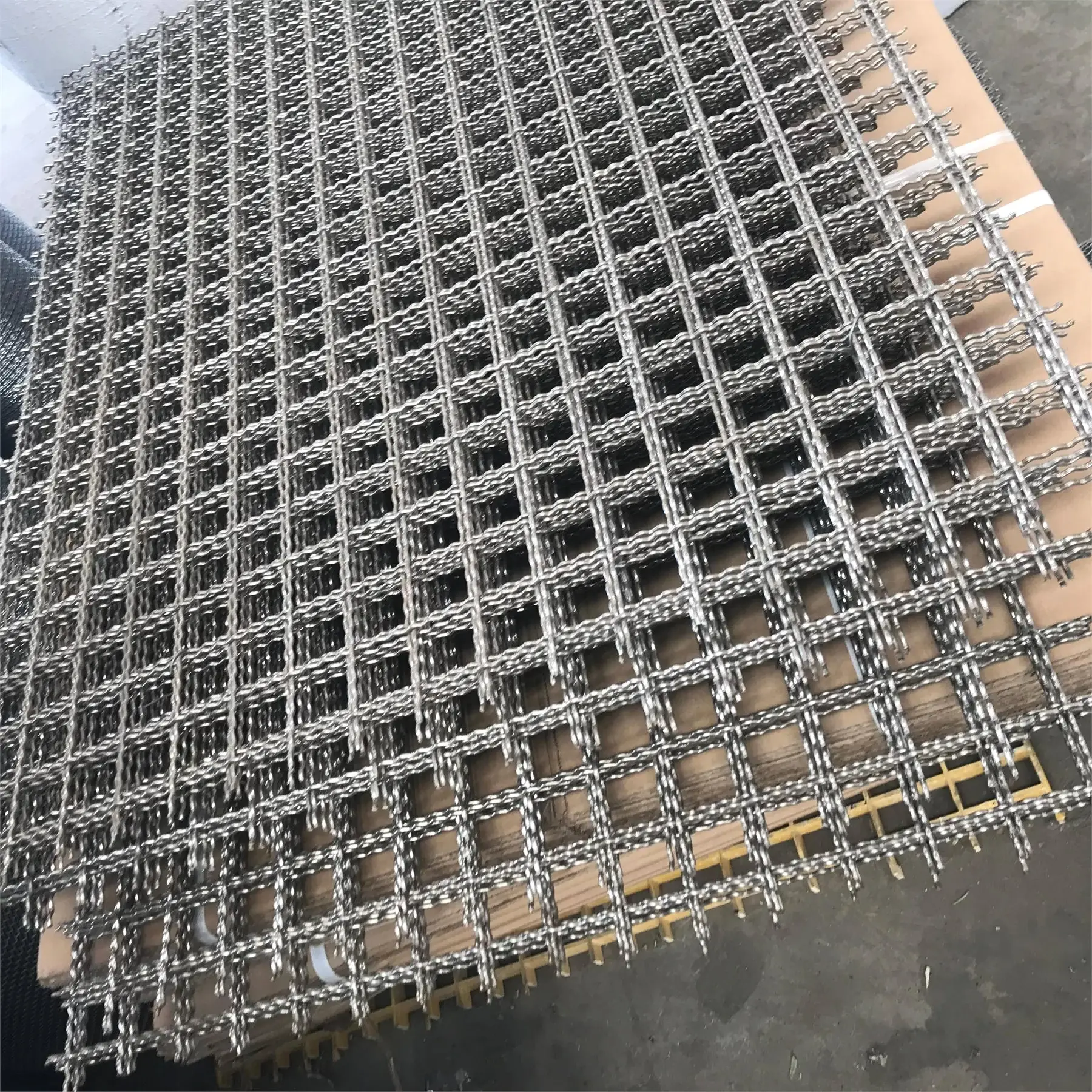
Direct answer: To match replacement woven wire mesh from a sample, create a provisional identification record before requesting price. Photograph both faces and edges, record mesh count or clear opening in both directions, measure bare wire diameter, identify weave and crimp, note material evidence, orientation, edge condition, roll or cut-piece form, dimensions and end use, and send a representative labeled sample. Appearance alone cannot prove alloy, tolerance or performance.
Answer summary
| Check | Record from the sample | Why one field is not enough |
|---|---|---|
| Count or opening | Mesh count per stated unit or clear opening in both directions | The same count can use different wire diameters and openings |
| Wire | Bare-wire decimal/metric diameter and measurement method | A gauge name may be ambiguous and coating can change the reading |
| Construction | Woven, weave style and crimp; confirm it is not welded | Similar front views can hide different interlacing or crimp |
| Material | Known grade, magnet response only as a clue, prior document or lab result | Color and magnet response do not prove an alloy |
| Orientation | Warp/long direction, shute/cross direction and face if relevant | Rectangular or off-count mesh can be rotated |
| Edge and form | Selvage/raw edge, trimmed wires, roll/sheet/cut part and curl | Edge and forming affect usable size and fabrication |
| Service | What the old mesh screened, guarded, separated or supported | A dimensional match does not prove end-use suitability |
For exact field definitions, use the woven wire mesh count and opening guide and the wire diameter guide.
Step 1: decide whether the sample is woven wire mesh
Inspect the wire intersections from both faces and along a cut edge. In woven mesh, wires pass over and under one another; in welded mesh, crossing wires are joined at intersections. Crimped woven products may show preformed bends, intermediate crimps or locked intersections.
If the sample is painted, corroded, crushed or embedded in a frame, mark every feature that is hidden or unreliable. Do not force a construction call from one photograph.
Step 2: measure count, opening and wire separately
Record the unit and method with every measurement.
| Measurement | Preferred record | Common error |
|---|---|---|
| Mesh count | Wires/openings per 25.4 mm or another stated length, counted in each direction | Writing “10 mesh” without direction, unit or wire diameter |
| Clear opening | Inside-to-inside distance between adjacent wires in both directions | Confusing opening with center-to-center spacing |
| Wire diameter | Decimal inch and/or millimetre reading from several undamaged wires | Using a gauge number without naming the gauge system |
| Overall thickness | Only when crimp or weave makes it relevant; state the method | Treating cloth thickness as wire diameter |
Measure several undamaged locations and report the range when readings vary. Fine, coated, flattened or worn wire may need magnification or a better instrument. Do not convert a rough photograph into a false precision.
Step 3: identify weave, crimp and orientation
Record:
- Plain, twill, Dutch or another observed weave; if uncertain, mark “to be confirmed.”
- Plain/pre-crimp, intermediate crimp, lock crimp or another observed construction.
- Warp/long and shute/cross directions.
- Square, rectangular or off-count opening.
- Which face and edge are shown in each photograph.
- Curl, tension, deformation or damage that may distort the sample.
The stainless wire mesh material and weave guide gives the buyer fields, while the square versus rectangular mesh guide keeps orientation from being lost.
Step 4: separate material evidence from guesses
Use prior purchase records, mill certificates, drawings, part numbers or laboratory analysis when alloy matters. Visual color, rust pattern, spark, magnet response and coating appearance may guide questions, but they do not prove grade or chemistry.
If the original alloy is unknown, tell QY the operating medium, temperature, cleaning method and required compliance. QY can quote an identified construction or propose a documented alternative for buyer review; it should not relabel an unknown sample as a verified alloy.
Step 5: record the edge, form and finished part
Photograph all edges and note:
- Selvage, raw, trimmed or framed edge.
- Protruding-wire allowance and safe handling need.
- Roll width and length, flat sheet size or finished cut-piece dimensions.
- Cutouts, holes, notches, seams, welds or attached frames.
- Quantity and whether the old part is stretched, formed or tensioned in use.
- Packing and labeling needed to separate sizes or orientations.
Use the woven wire mesh selvage and raw-edge guide and the wire mesh fabrication RFQ checklist for finished-part details.
What makes a sample suitable for review?
A useful sample is representative, large enough to show several repeats of the weave or crimp, reasonably flat, clean enough to inspect and labeled with its source, orientation and item number. Keep a second reference piece when continuity is important.
Send:
- One overall photo with a ruler.
- Close photos of both faces.
- A side/edge photo showing interlacing and crimp.
- Measurement photos with instrument and unit visible.
- Sample dimensions and the area from which it was removed.
- The old drawing, purchase record or certificate if available.
Do not send an unlabeled fragment and assume the supplier can recreate every original property.
What does QY evidence support?
QY’s approved woven-wire-mesh photograph shows real QY woven construction, visible wire intersections and a product form that can be compared with a buyer sample. QY’s existing count/opening, wire-diameter, weave and edge pages provide a controlled field set for the comparison.
This evidence supports a real QY product and review workflow. It does not prove that a photographed QY mesh is identical to an unknown sample, that the sample alloy is known, or that a dimensional match will reproduce filtration, strength, fatigue or service life.
Provisional sample-match record
| Field | Buyer entry |
|---|---|
| Sample ID and source | |
| Existing part/drawing number | |
| Mesh count or clear opening, direction 1 | |
| Mesh count or clear opening, direction 2 | |
| Bare-wire diameter and unit | |
| Weave and crimp | |
| Warp/shute orientation | |
| Material evidence | |
| Edge and product form | |
| Finished size, cutouts and quantity | |
| Service medium, temperature and function | |
| Required tolerance, test or certificate | |
| Unknowns and approval owner |
RFQ checklist
Before requesting a replacement woven wire mesh quotation, confirm:
- Representative labeled sample and photo set.
- Woven versus welded construction.
- Mesh count or opening in both directions and stated unit.
- Wire diameter readings and measurement method.
- Weave, crimp and orientation.
- Material evidence and unknown alloy status.
- Selvage/raw/trimmed edge and roll, sheet or cut-piece form.
- Finished size, fabrication, quantity and packing.
- End use, medium, temperature, cleaning and controlled performance.
- Required tolerance, document, test and approving party.
When the record is ready, contact QY Metal Tech and identify which fields are measured, documented or still unknown.
Related QY pages
- Woven wire mesh for the main product route.
- Mesh count versus opening size for measurement definitions.
- Wire gauge versus decimal diameter for unambiguous wire size.
- Material grade and weave for material and construction fields.
- Selvage versus raw edge for edge and product-form details.
- Contact QY Metal Tech for sample-based RFQ review.
FAQ
Can a woven wire mesh sample be matched from a photo?
A photo can support preliminary identification, but a reliable quotation normally needs count or opening, wire diameter, weave, crimp, material evidence, edge, form, dimensions and a representative sample.
Is mesh count enough to identify replacement wire cloth?
No. The same mesh count can use different wire diameters, openings, materials, weaves, crimps and tolerances.
Can a magnet identify stainless steel wire mesh grade?
No. Magnet response is only a clue and can be affected by alloy, cold work and construction. Use traceable documents or appropriate material analysis when grade matters.
Does a dimensional sample match guarantee the same filtration or strength?
No. End-use performance can also depend on alloy, weave, tolerance, manufacturing condition, surface, support and service environment. Define the controlled performance and approval method separately.
When the matched sample will be used for filtration or separation, add the process objective, material and supplied form from the woven wire mesh filtration selection guide before quotation.
Related links
Related products and RFQ guides
- Wire mesh and sheet metal productsOpen the related product family section.
- Wire mesh and sheet metal topic entryWire mesh and sheet metal family page for welded wire mesh, woven wire mesh, expanded metal mesh and perforated metal sheet RFQs.
- Welded wire meshRelated product or guide page.
- Woven wire meshRelated product or guide page.
- Expanded Metal vs Perforated Sheet: What to Confirm Before RFQComparison and RFQ guide for expanded metal and perforated sheet, covering manufacturing method, pattern, open area, material, thickness, sheet size, finish, quantity and packing.
- Wire Mesh Opening and Wire Diameter: What Buyers Should ConfirmWire mesh RFQ guide explaining opening, wire diameter, material, roll or panel format, finish, size, quantity, packing, destination and buyer confirmation details.


