
Woven Wire Mesh Count vs Opening Size: Which RFQ Details Change?
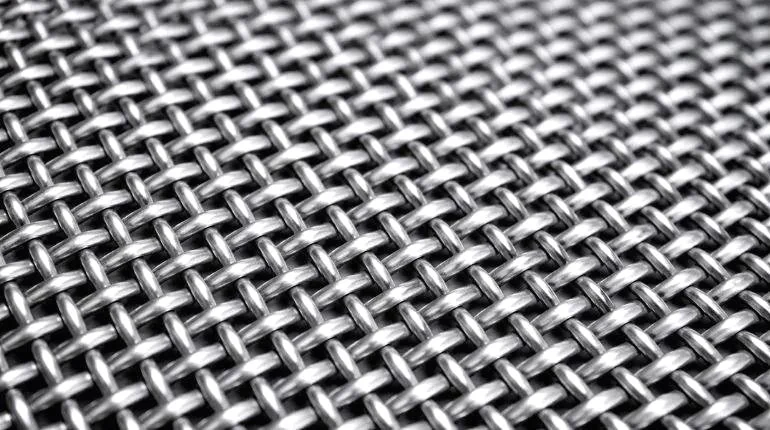
Woven wire mesh count and opening size should be clarified before quotation because the same mesh description can be written in different ways. Buyers should send mesh count or opening size, wire diameter, weave type, material, roll or sheet size, edge condition, finish, quantity, packing and drawings or photos.
Answer summary: Mesh count usually describes how many openings or wires are counted in a given length, while opening size describes the clear space between wires. For woven wire mesh RFQs, buyers should confirm the unit, wire diameter, weave type, material, size, edge condition, quantity and packing instead of sending mesh count alone.
Mesh count and opening size comparison
| RFQ detail | What it means | What buyers should confirm |
|---|---|---|
| Mesh count | Count-based mesh description | Count value and unit, such as per inch if used |
| Opening size | Clear space between wires | Opening width or aperture value and unit |
| Wire diameter | Wire thickness | Diameter, tolerance if required and unit |
| Weave type | Mesh construction | Plain weave, twill weave, crimped weave or drawing wording |
| Material | Quotation basis | Stainless steel, carbon steel, galvanized wire or project wording |
| Roll or sheet size | Supply format | Roll width and length, sheet size or cut panel size |
| Edge condition | Handling and packing detail | Cut edge, folded edge, selvage edge or frame request |
| Finish or surface | Surface requirement | Natural, galvanized, stainless finish or coating wording |
| Packing and destination | Export review | Roll wrap, carton, pallet, label, bundle and destination |
Can mesh count be converted to microns?
A mesh-count-to-micron request is not a universal one-number conversion. Micron wording normally describes a target clear opening, while mesh count describes a count over a stated length. The actual opening also depends on wire diameter, weave or crimp, counting basis, directional construction and manufacturing tolerance.
| Buyer wording | Minimum information to send | Claim boundary |
|---|---|---|
| Mesh count to micron | Count value and basis, wire diameter, weave and target opening in microns | Count alone cannot prove a micron opening |
| Micron opening requirement | Target clear opening, tolerance, material, weave and inspection method | Opening alone does not prove filtration performance |
| Calculator result | Original formula, inputs, units and product construction | A calculated value must be checked against the finished mesh |
QY can review the declared count, wire diameter, weave and target opening for quotation. It should not convert mesh count into a guaranteed filtration rating or claim an exact finished micron opening without verified product and inspection data. For the broader geometry relationship, see the wire mesh opening and wire diameter guide.
Why mesh count should not be guessed
Mesh count, opening size and wire diameter are related, but buyers should not expect a supplier to infer one value from another without a drawing or sample. A small difference in wire diameter can change the actual opening and weight.
If the project uses woven wire mesh for screening, filtration, guarding, ventilation or general separation, the application should be described. QY can review quotation details, but should not claim filtration accuracy, airflow, load capacity, food compliance, safety compliance or local standard compliance without buyer-provided requirements.
For product context, see woven wire mesh, wire mesh opening and wire diameter RFQ guide and welded vs woven wire mesh RFQ details.
Specification details to confirm
| Detail | Why it matters | What buyers should send |
|---|---|---|
| Product format | Defines supply scope | Roll, sheet, cut panel or framed panel |
| Mesh count or opening | Defines mesh specification | Count with unit or clear opening size |
| Wire diameter | Defines mesh detail | Diameter and tolerance if specified |
| Weave type | Affects construction | Plain, twill, crimped or drawing-specified weave |
| Material | Defines quotation basis | Stainless steel grade, carbon steel, galvanized or project wording |
| Size | Defines cutting and packing | Roll width, roll length, sheet size or cut size |
| Edge condition | Affects handling | Cut edge, folded edge, selvage or framed edge |
| Quantity and packing | Needed for export review | Roll count, sheet count, pallet, label and destination |
Key terms to clarify
- Mesh count: A count-based way to describe woven mesh density.
- Opening size: The clear aperture between adjacent wires.
- Wire diameter: The thickness of the wire used in the mesh.
- Weave type: The way wires are interlaced or crimped.
What to prepare before sending RFQ
For a faster woven wire mesh review, prepare:
- Product format: roll, sheet, cut panel or framed panel.
- Mesh count with unit or opening size.
- Target opening in microns, tolerance and inspection method when micron wording controls.
- Wire diameter.
- Weave type.
- Material grade or project wording.
- Roll width and length or sheet size.
- Edge condition and any frame request.
- Application notes if relevant.
- Quantity, packing, label and destination.
- Drawing, sketch, photo or sample reference.
RFQ checklist
Before sending a woven wire mesh RFQ, confirm:
- Mesh count or opening size.
- Unit of measurement.
- Wire diameter.
- Weave type.
- Material.
- Roll or sheet size.
- Edge condition.
- Quantity.
- Packing and destination.
- Drawing or reference photo.
Related QY pages
- Woven wire mesh for the main product page.
- Wire mesh opening and wire diameter RFQ guide for opening and wire details.
- Welded vs woven wire mesh for product comparison.
- Welded wire mesh for welded mesh product context.
- Welded wire mesh material and coating for material and coating RFQ context.
- Contact QY Metal Tech when mesh specifications and drawings are ready.
FAQ
What should a woven wire mesh count RFQ include?
Send mesh count or opening size, unit, wire diameter, weave type, material, roll or sheet size, edge condition, quantity, packing, destination and drawings or photos.
Is mesh count enough to quote woven wire mesh?
No. Mesh count should be paired with wire diameter, unit, weave type, material, size, edge condition, quantity and packing.
What if the buyer only knows the opening size?
The buyer can send opening size, wire diameter, material, weave type, size and photos or drawings. QY can review the quotation basis from those details.
Can QY confirm filtration accuracy from mesh count alone?
QY should not claim filtration accuracy or compliance from mesh count alone. Those claims need confirmed technical requirements and project standards.
When replacing unknown wire cloth, combine count and opening measurements with the replacement sample-matching checklist.
For filtration or particle separation, carry the confirmed count, opening and wire diameter into the woven wire mesh filtration selection guide with the process objective, material and supplied form.
Related links
Related products and RFQ guides
- Wire mesh and sheet metal productsOpen the related product family section.
- Wire mesh and sheet metal topic entryWire mesh and sheet metal family page for welded wire mesh, woven wire mesh, expanded metal mesh and perforated metal sheet RFQs.
- Welded wire meshRelated product or guide page.
- Woven wire meshRelated product or guide page.
- Expanded Metal vs Perforated Sheet: What to Confirm Before RFQComparison and RFQ guide for expanded metal and perforated sheet, covering manufacturing method, pattern, open area, material, thickness, sheet size, finish, quantity and packing.
- Wire Mesh Opening and Wire Diameter: What Buyers Should ConfirmWire mesh RFQ guide explaining opening, wire diameter, material, roll or panel format, finish, size, quantity, packing, destination and buyer confirmation details.


