
Woven Wire Mesh Opening, Weave Type and Screening RFQs
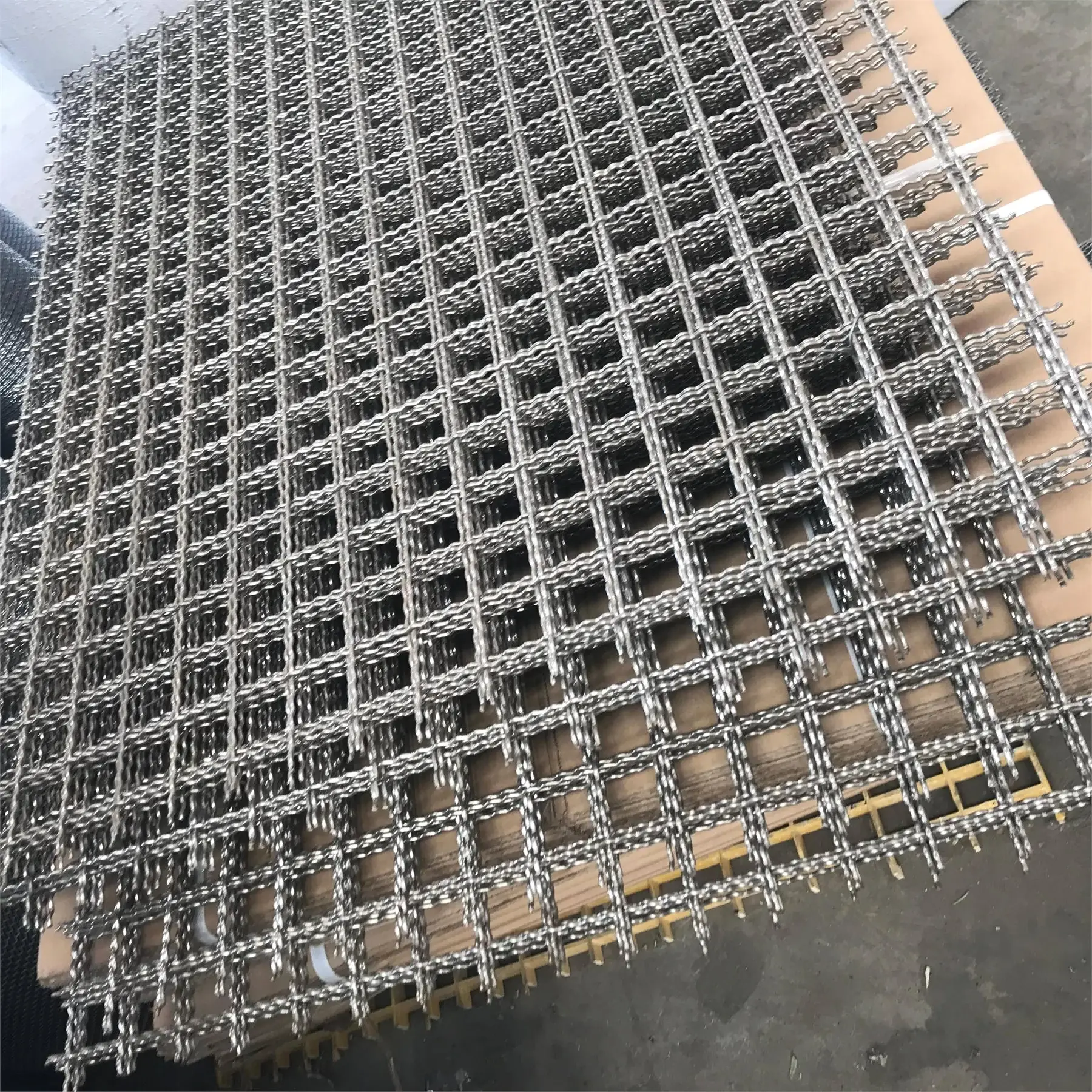
Woven wire mesh screening RFQs should confirm opening size, wire diameter, weave type, roll or sheet size, material, edge condition, finish, quantity, packing, and the screening use. A clear RFQ helps QY review whether the request is for woven mesh supply, cut-to-size sheets, framed panels, or another wire mesh format.
Answer summary: For woven wire mesh screening RFQs, buyers should send opening size, wire diameter, weave type, material, roll width and length or sheet size, edge request, finish, quantity, application, packing, destination, and any drawing, sample photo, or previous order reference.
Start with the screening requirement
Woven wire mesh is often discussed for screening, separation, ventilation, guarding, animal enclosures, cabinet panels, and general industrial mesh use. The product name alone is not enough because opening size, wire diameter, material, weave type, and supply format can change the quotation basis.
If the buyer has a sample photo, mark the opening direction, overall roll or sheet size, and any cut edges or framed areas. If the mesh will be used for screening, explain what the mesh needs to separate or protect, without assuming performance claims from the mesh name alone.
For product context, see woven wire mesh, welded wire mesh, and welded vs woven wire mesh.
Specification details to confirm
| Detail | Why it matters | What buyers should send |
|---|---|---|
| Material | Defines quotation basis and exposure review | Stainless steel, galvanized steel, carbon steel, aluminum or project-specified material |
| Opening size | Defines screening and mesh pattern | Clear opening, mesh count, aperture, or sample reference |
| Wire diameter | Affects mesh description and handling review | Wire diameter, wire gauge, or drawing-specified value |
| Weave type | Avoids confusion between mesh constructions | Plain weave, crimped weave, twill weave or sample-based request |
| Roll or sheet size | Affects cutting, packing and quotation | Roll width and length, sheet size, cut-to-size panel list or tolerance |
| Edge condition | Affects fabrication scope | Raw edge, folded edge, cut edge, framed edge or special border note |
| Finish or surface | Affects appearance and exposure review | Galvanized, bright, pickled, coated, mill finish or project wording |
| Application | Helps review suitability questions | Screening, guarding, ventilation, enclosure, partition or other use |
| Packing and destination | Needed for export quotation | Roll packing, sheet bundle, pallet, marks, loading note and destination country or port |
Key terms to clarify
- Opening size: The clear space between wires. It may be described as aperture, mesh opening, or mesh count depending on the project wording.
- Wire diameter: The thickness of the wire used to weave the mesh.
- Weave type: The way wires pass over and under each other. Buyers should confirm it from a drawing, sample or photo when appearance matters.
- Edge condition: The edge treatment after cutting or forming. It can affect handling, packing and fabrication scope.
Screening RFQs need careful wording
A screening RFQ should not rely only on a phrase like "fine mesh" or "heavy woven mesh." Those words can mean different things to different buyers. Use measurable details where available: opening, wire diameter, roll width, roll length, sheet size, material, edge condition, finish and quantity.
QY can review woven wire mesh details, drawings, photos and packing notes for quotation. Exact screening performance, open area, airflow, safety guarding suitability, corrosion life or local compliance should not be claimed without confirmed pattern data and project standards.
What to prepare before sending RFQ
For a faster woven wire mesh review, prepare:
- Product use, such as screening, ventilation, guarding, enclosure or partition.
- Material request and exposure condition if relevant.
- Opening size, mesh count or aperture wording.
- Wire diameter or wire gauge.
- Weave type, drawing, sample photo or previous order reference.
- Roll width and length, sheet size, cut-to-size list or tolerance.
- Edge condition, frame, folded edge or border request.
- Finish, coating or surface wording.
- Quantity, packing marks, pallet or roll packing request.
- Destination country, port or delivery term if available.
RFQ checklist
Before sending a woven wire mesh screening RFQ, confirm:
- Material.
- Opening size or mesh count.
- Wire diameter.
- Weave type.
- Roll size or sheet size.
- Edge condition and cut-to-size requirement.
- Finish or coating request.
- Application and drawing or sample photo.
- Quantity.
- Packing and destination.
Related QY pages
- Woven wire mesh for the main product page.
- Welded wire mesh for welded mesh alternatives.
- Wire mesh opening and wire diameter for core mesh specification wording.
- Welded vs woven wire mesh for construction comparison.
- Contact QY Metal Tech when mesh details and quantities are ready.
FAQ
What information is needed for a woven wire mesh screening RFQ?
Send material, opening size, wire diameter, weave type, roll or sheet size, edge condition, finish, quantity, packing, destination and drawings or sample photos.
Is opening size the same as mesh count?
Not always. Opening size usually describes the clear space between wires, while mesh count may describe how many openings appear in a given length. Buyers should send the exact wording from the drawing or sample.
Can QY confirm screening performance from a photo only?
QY can start a preliminary review from clear photos, but screening performance should not be confirmed from a photo only. Opening size, wire diameter, material, weave type and application details are needed.
Should woven wire mesh be ordered in rolls or sheets?
It depends on handling, cutting, installation and packing. Buyers should confirm roll width and length, sheet size, cut-to-size list, edge condition and quantity before quotation.
Related links
Related products and RFQ guides
- Wire mesh and sheet metal productsOpen the related product family section.
- Wire mesh and sheet metal topic entryWire mesh and sheet metal family page for welded wire mesh, woven wire mesh, expanded metal mesh and perforated metal sheet RFQs.
- Welded wire meshRelated product or guide page.
- Woven wire meshRelated product or guide page.
- Expanded Metal vs Perforated Sheet: What to Confirm Before RFQComparison and RFQ guide for expanded metal and perforated sheet, covering manufacturing method, pattern, open area, material, thickness, sheet size, finish, quantity and packing.
- Wire Mesh Opening and Wire Diameter: What Buyers Should ConfirmWire mesh RFQ guide explaining opening, wire diameter, material, roll or panel format, finish, size, quantity, packing, destination and buyer confirmation details.


