
Perforated Metal Sheet for Machine Guard RFQs
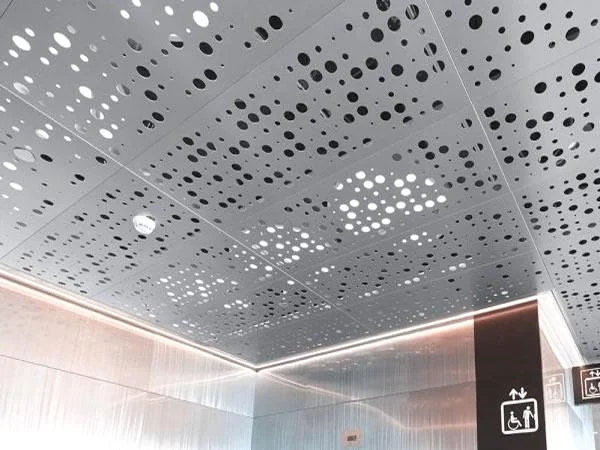
Perforated metal sheet for machine guard RFQs should be reviewed around guard purpose, hole pattern, open area, material, sheet thickness, panel size, edge condition, finish, fixing method, quantity, drawings, packing, and destination. A short request such as "machine guard perforated sheet price" is usually not enough for a reliable quotation.
Answer summary: For machine guard perforated sheet, buyers should send the application, hole shape, hole size, pitch, open area if specified, material, thickness, panel size, edge or frame request, fixing holes, finish, quantity, packing marks, destination, and drawings or sketches.
Start with the machine guard use
Machine guards can be used for equipment covers, safety partitions, ventilation panels, rotating equipment guards, screen panels, or enclosure doors. The RFQ should explain what the panel needs to do before the hole pattern is selected.
If the buyer has a drawing, send the full panel drawing with hole pattern, margins, bends, mounting holes, frames, and any cutouts marked clearly. If no drawing is ready, a sketch with dimensions, hole size, material, thickness, finish, quantity, and photos of the installation area can help QY identify missing details before quotation.
For product context, see perforated metal sheet, expanded metal mesh, and perforated hole pattern RFQ guide.
Specification details to confirm
| Detail | Why it matters | What buyers should send |
|---|---|---|
| Guard application | Defines review basis | Machine cover, enclosure panel, safety screen, partition or ventilation guard |
| Hole shape and size | Affects pattern, appearance and open area | Round, square, slotted or drawing-specified hole size |
| Pitch and open area | Controls spacing and airflow discussion | Center-to-center pitch, staggered pattern or required open area if specified |
| Material and thickness | Affects fabrication review | Carbon steel, stainless steel, aluminum or project-specified material and thickness |
| Panel size | Affects cutting, flatness and packing | Width, length, tolerance, piece quantity and panel marks |
| Edges and fixing | Affects fabrication scope | Folded edge, frame, margin, fixing holes, countersunk holes, slots or cutouts |
| Finish | Affects appearance and corrosion review | Powder coating, painting, galvanizing, stainless finish or project-specified coating |
| Packing and destination | Needed for export quotation | Bundle marks, pallet request, loading notes and destination country or port |
Key terms to clarify
- Open area: The percentage of sheet area that is open. It depends on hole size, pitch and pattern, so it should not be guessed.
- Pitch: The center-to-center distance between holes. Pitch controls spacing and helps calculate open area.
- Margin: The unperforated border near the sheet edge. It can matter for fixing, bending or framing.
- Fixing hole: A mounting hole used to attach the guard panel. It should be shown on the drawing when position matters.
Practical selection notes for machine guards
Perforated sheet is often useful when a guard needs visibility, ventilation, screening, or controlled openings. Expanded metal may also be considered when the buyer wants a stretched mesh structure rather than punched holes. The final choice should follow the machine guard drawing, local safety requirement, installation condition, material preference, and finish request.
QY can review drawings and RFQ details for quotation, but should not claim local safety compliance, impact resistance, machine certification, airflow performance, or open area without project data and pattern details.
What to prepare before sending RFQ
For a faster machine guard perforated sheet review, prepare:
- Machine guard drawing, sketch or site photo.
- Application, such as cover, enclosure, partition, door panel or ventilation guard.
- Hole shape, hole size, pitch, stagger and open area if specified.
- Material, thickness and panel size.
- Margin, border, folded edge, frame or fixing hole details.
- Cutouts, slots, bends or welded parts if needed.
- Finish, coating and color request.
- Quantity, destination and packing marks.
- Any project standard or inspection note provided by the buyer.
RFQ checklist
Before sending a perforated metal sheet machine guard RFQ, confirm:
- Guard application.
- Drawing, sketch or photo.
- Hole shape, hole size and pitch.
- Open area if important.
- Material and thickness.
- Panel size and quantity.
- Edge, frame, fixing holes and cutouts.
- Finish, coating and color.
- Packing, marks and destination.
- Project standard or inspection note if available.
Related QY pages
- Perforated metal sheet for the main product page.
- Expanded metal mesh for another open-area sheet option.
- Perforated hole pattern RFQ guide for pattern details.
- Expanded metal vs perforated sheet for product comparison.
- Wire mesh opening and wire diameter for related opening terminology.
- Contact QY Metal Tech when drawings and panel details are ready.
FAQ
What information is needed for a machine guard perforated sheet RFQ?
A machine guard perforated sheet RFQ should include application, hole shape, hole size, pitch, material, thickness, panel size, edge or frame request, fixing holes, finish, quantity, packing and destination.
Can QY quote machine guard panels without drawings?
QY may start a preliminary review from a sketch, photos and specification details, but final quotation is clearer when the buyer sends panel drawings with hole pattern, edges, fixing holes and cutouts.
Is open area required for every perforated guard?
No. Open area is important when visibility, ventilation, screening or airflow matters. If it is important, buyers should provide the required open area or enough pattern details for review.
Can QY confirm machine safety compliance?
QY should not claim machine safety compliance or local approval without the buyer's project standard, drawing and safety requirement.
Related links
Related products and RFQ guides
- Wire mesh and sheet metal productsOpen the related product family section.
- Wire mesh and sheet metal topic entryWire mesh and sheet metal family page for welded wire mesh, woven wire mesh, expanded metal mesh and perforated metal sheet RFQs.
- Welded wire meshRelated product or guide page.
- Woven wire meshRelated product or guide page.
- Expanded Metal vs Perforated Sheet: What to Confirm Before RFQComparison and RFQ guide for expanded metal and perforated sheet, covering manufacturing method, pattern, open area, material, thickness, sheet size, finish, quantity and packing.
- Wire Mesh Opening and Wire Diameter: What Buyers Should ConfirmWire mesh RFQ guide explaining opening, wire diameter, material, roll or panel format, finish, size, quantity, packing, destination and buyer confirmation details.


