
Perforated Metal Sheet Hole Pattern Guide for RFQs
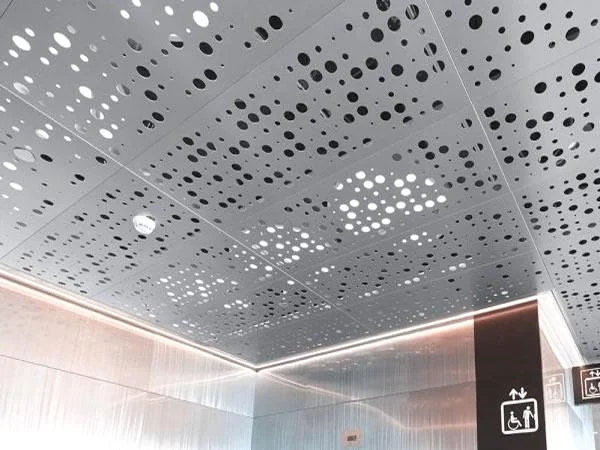
Perforated metal sheet hole pattern RFQs should confirm hole shape, hole size, pitch, open area if important, sheet size, material, thickness, margin, finish, quantity, packing request, and destination. Pattern details are especially important because small wording differences can change fabrication review.
Answer summary: A useful perforated sheet RFQ should define hole shape, hole diameter or slot size, pitch or stagger, sheet thickness, sheet size, material, margin or unperforated border, finish, quantity, packing and destination. Open area should not be assumed unless the pattern is calculated or specified.
Start with the hole pattern
Perforated sheet buyers often begin with a short phrase such as "round hole sheet" or "perforated panel." That is a starting point, not a full RFQ. The hole shape, hole size, pitch, stagger, margin and sheet thickness should be reviewed together.
If the drawing includes a pattern note, send the exact wording. If the buyer does not have a drawing, a sketch with hole size, center-to-center pitch, sheet size, material and quantity can help QY identify missing details before quotation.
For product context, see perforated metal sheet and expanded metal mesh. For a related comparison, see expanded metal vs perforated sheet.
Hole pattern details buyers should define
| RFQ detail | Why it matters | What buyers should send |
|---|---|---|
| Hole shape | Defines tooling and pattern review | Round, square, slotted, hexagonal or drawing-specified shape |
| Hole size | Affects open area and appearance | Diameter, slot width and length, or drawing note |
| Pitch and stagger | Controls spacing and open area | Center-to-center pitch, straight pattern or staggered pattern |
| Sheet thickness | Affects material and fabrication review | Thickness or gauge with material |
| Sheet size | Affects cutting and packing | Width, length, tolerance and piece quantity |
| Margin or border | Affects usable area and fixing | Unperforated edge, frame area, fixing holes or no-margin request |
| Finish | Affects corrosion and appearance discussion | Galvanized, painted, powder coated, anodized, stainless or project-specified finish |
Do not assume open area without pattern details
Open area depends on hole size, pitch, pattern type and sometimes margin. It should not be guessed from the hole shape alone. If open area is important for ventilation, filtration, screening or acoustic use, buyers should send the required percentage or provide a drawing for review.
QY can review the pattern information for quotation, but should not claim exact open area, strength, pressure drop, acoustic performance, filtration rating or local compliance without project data.
RFQ checklist
Before sending a perforated metal sheet RFQ, prepare:
- Application or project use.
- Hole shape.
- Hole size, slot size or drawing note.
- Pitch, stagger, spacing or open area requirement.
- Material and sheet thickness.
- Sheet width, length and quantity.
- Margin, border, fixing holes or no-margin request.
- Flat sheet, cut-to-size piece, panel or fabricated part requirement.
- Finish or coating request.
- Packing, marks and loading request.
- Destination.
- Drawing, sketch, sample photo or previous order reference.
Related QY pages
- Perforated metal sheet for the main product page.
- Expanded metal mesh for another open-area sheet option.
- Expanded metal vs perforated sheet for product comparison.
- Wire mesh opening and wire diameter for related opening terminology.
- Contact QY Metal Tech when pattern details and drawings are ready.
FAQ
What details are needed for a perforated metal sheet RFQ?
A perforated sheet RFQ should include hole shape, hole size, pitch or stagger, material, thickness, sheet size, margin or border requirement, finish, quantity, packing and destination.
How is open area confirmed for perforated sheet?
Open area depends on hole size, pitch, pattern and sometimes margin. Buyers should provide a drawing, required open area percentage, or enough pattern details for review instead of relying on a generic hole name.
Can QY quote perforated sheet without a drawing?
QY may start a preliminary review from hole shape, hole size, pitch, material, thickness, sheet size, finish, quantity and destination. A drawing or sketch is recommended when margin, fixing holes or open area matter.
Is perforated sheet always better than expanded metal?
No. Perforated sheet and expanded metal should be compared by application, pattern, open area, appearance, thickness, edge condition, finish and project requirement.
Related links
Related products and RFQ guides
- Wire mesh and sheet metal productsOpen the related product family section.
- Wire mesh and sheet metal topic entryWire mesh and sheet metal family page for welded wire mesh, woven wire mesh, expanded metal mesh and perforated metal sheet RFQs.
- Welded wire meshRelated product or guide page.
- Woven wire meshRelated product or guide page.
- Expanded Metal vs Perforated Sheet: What to Confirm Before RFQComparison and RFQ guide for expanded metal and perforated sheet, covering manufacturing method, pattern, open area, material, thickness, sheet size, finish, quantity and packing.
- Wire Mesh Opening and Wire Diameter: What Buyers Should ConfirmWire mesh RFQ guide explaining opening, wire diameter, material, roll or panel format, finish, size, quantity, packing, destination and buyer confirmation details.


