
Woven Wire Mesh for Filtration: Opening, Material and Form Selection
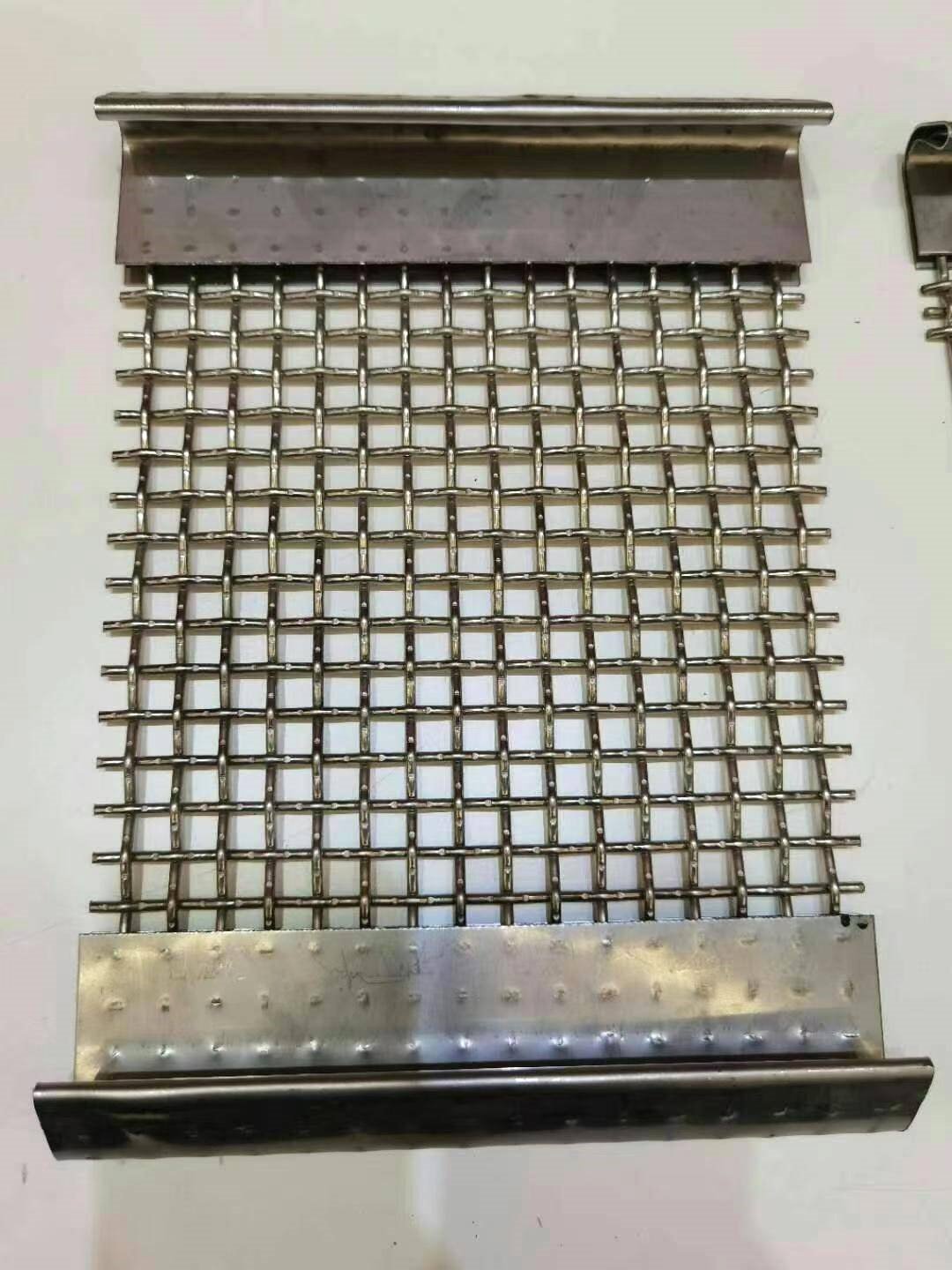
For filtration or particle separation, do not begin with a mesh count alone. Start with what must pass, what must be retained, the process conditions and the required supplied form. Then specify opening, wire diameter, weave, material and edge details as one controlled record. QY can review those quotation inputs, but a product photograph or nominal mesh description does not prove filtration efficiency, flow rate or process suitability.
Start with the separation task
Describe the material being handled and the purpose of the mesh. A buyer may need to retain solids, protect equipment, grade particles, support another filter medium or provide a coarse screen. These are different tasks even when the proposed mesh looks similar.
Record the target particle description and any known size range, but do not convert that information directly into a guaranteed opening or micron rating. Particle shape, agglomeration, process movement and the way the mesh is mounted can change the result. If the process owner has an approved test method or retained sample, include it with the inquiry.
Build one mesh specification record
| Field | What the buyer should record | Why it matters before quotation |
|---|---|---|
| Separation objective | What should pass and what should be retained | Defines the buyer's acceptance question without promising performance |
| Opening or mesh count | Clear opening, mesh count, units and measurement method | Prevents count, opening and nominal micron language from being treated as interchangeable |
| Wire diameter | Decimal diameter with units, not gauge alone | Changes the clear opening and finished construction |
| Weave or construction | Known weave, sample reference or `QY to review` | Helps match the required geometry without guessing from a name |
| Material and condition | Requested alloy, finish and process exposure | Keeps material selection separate from unsupported corrosion or temperature claims |
| Supplied form | Roll, sheet, cut piece, disc, strip or framed item requested by the buyer | Affects dimensions, edges, handling, packing and fabrication scope |
| Quantity and packing | Finished quantity, batch marks, packing limits and destination | Allows quotation and shipment planning around the actual supplied form |
Use the woven wire mesh product page for QY's published product scope. For the relationship between count, wire and opening, review the mesh count and opening guide and state the actual units used on the drawing or sample.
Keep opening, count and wire diameter together
The same mesh count can produce different openings when wire diameter changes. Likewise, an opening value without wire diameter does not describe the complete mesh construction. Send both values when they are known. If only a sample is available, record several measurements and identify the measurement method rather than assigning a specification from one visual estimate.
Gauge descriptions can also vary by convention. The wire gauge and decimal diameter guide explains why the measured decimal value and units should remain in the quotation record.
Define material and supplied form separately
Material selection should follow the buyer's controlled process requirements. Provide the requested material grade, exposure, cleaning method and any document or traceability requirement. QY can compare these inputs with the available product scope, but the buyer or responsible process engineer must approve chemical, temperature, hygiene and regulatory suitability.
Next, define the finished form. A roll request needs width, length, winding direction and edge expectations. A cut sheet, disc or strip needs finished dimensions, orientation and edge treatment. A framed or fabricated item also needs the frame, attachment and tolerance scope. Do not assume that a mesh sample proves the required finished form.
When an existing sample must be matched, use the replacement woven mesh sample guide to record count or opening, wire diameter, weave, material, edge and orientation before asking for a replacement.
State the performance boundary before pricing
The approved QY photograph used with this article shows a real woven-wire sample and supports the product context. It does not establish opening, wire diameter, alloy, tolerance, filtration efficiency, pressure drop, flow rate, particle retention or service life for a new inquiry.
For a quote-ready review, send QY the separation objective, process description, opening or count, wire diameter, weave, material, supplied form, dimensions, quantity, packing and any approved test or acceptance document. Unknown fields can be marked for review. Send the record and available sample photographs through the contact page without replacing process approval with an unsupported supplier assumption.
Related links
Related products and RFQ guides
- Wire mesh and sheet metal productsOpen the related product family section.
- Wire mesh and sheet metal topic entryWire mesh and sheet metal family page for welded wire mesh, woven wire mesh, expanded metal mesh and perforated metal sheet RFQs.
- Welded wire meshRelated product or guide page.
- Woven wire meshRelated product or guide page.
- Expanded Metal vs Perforated Sheet: What to Confirm Before RFQComparison and RFQ guide for expanded metal and perforated sheet, covering manufacturing method, pattern, open area, material, thickness, sheet size, finish, quantity and packing.
- Wire Mesh Opening and Wire Diameter: What Buyers Should ConfirmWire mesh RFQ guide explaining opening, wire diameter, material, roll or panel format, finish, size, quantity, packing, destination and buyer confirmation details.


