
Wire Mesh Gauge vs Decimal Wire Diameter: What Should Buyers Specify?
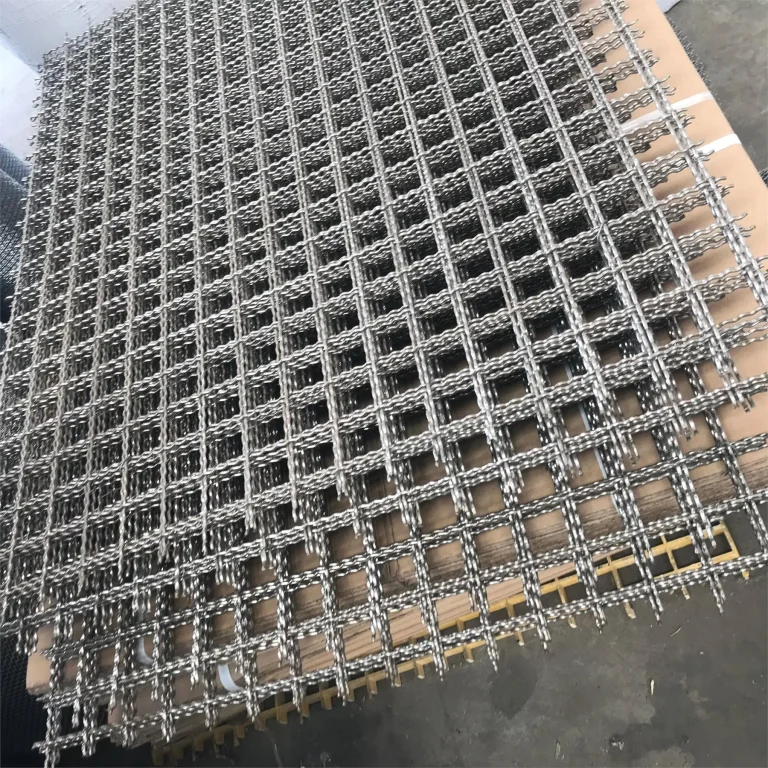
Wire mesh gauge and wire diameter are not safely interchangeable unless the gauge system is named. The same gauge number can represent different nominal diameters under different systems or product conventions. For an RFQ, send the wire diameter in millimeters and/or decimal inches, the named gauge standard if one controls, whether the value applies before or after coating, the permitted tolerance, measurement method, mesh construction, opening, material, form and sample or drawing. QY Metal Tech should quote from that controlled description rather than guessing a diameter from an isolated gauge number.
Answer summary: Treat wire diameter as the primary measurable value and gauge as a referenced naming system. If a drawing says only “12 gauge,” ask which gauge system and nominal diameter apply. Record both units when reliably converted, state base-wire or coated-wire condition, and keep the opening, weave or welded construction, material and tolerance in the same specification.
Best-fit way to describe wire size
| Information available | Safe RFQ wording | What still needs confirmation |
|---|---|---|
| Named gauge system and controlled drawing | Gauge designation plus its stated nominal diameter and drawing revision | Material, base/coated condition and tolerance |
| Decimal inch diameter | Decimal value plus reliable metric equivalent when needed | Tolerance and measurement condition |
| Metric diameter | Millimeter value plus reliable decimal-inch equivalent when needed | Tolerance and measurement condition |
| Physical sample only | Measured diameter range, tool/method, photos and sample reference | Material, coating, nominal specification and acceptance tolerance |
| Gauge number only | Hold for clarification | Gauge system, nominal diameter, units and product convention |
A conversion table is useful only when its system, edition, material convention and units match the project. QY should not publish or apply a universal number-to-diameter conversion without that context.
Why gauge-only RFQs cause mismatches
Gauge is a designation, while diameter is a measurable dimension. Markets may use different wire-gauge systems, and informal supplier language may omit the system name. Coating can also change the measured outside diameter. A buyer who sends only a gauge number may therefore receive quotations based on different physical wires.
The existing wire mesh opening and wire diameter guide owns the broad mesh-geometry intent. This page owns the narrower task of resolving gauge-system and nominal-diameter ambiguity before quotation.
Buyer decision table: what exactly is being measured?
| Field | Buyer question | RFQ evidence to send |
|---|---|---|
| Nominal wire diameter | What diameter does the specification call for? | Controlled value, units and tolerance |
| Gauge reference | Which named system or project table defines the number? | Standard/table title, revision and relevant line |
| Base or coated wire | Is diameter controlled before or after galvanizing, PVC or another coating? | Specification wording and coating condition |
| Measurement tool | How was a sample checked? | Tool type, measurement locations and readings |
| Wire shape | Is the wire round, flat or otherwise formed? | Cross-section wording or drawing |
| Mesh direction | Do warp and shute, or longitudinal and cross wires, differ? | Diameter for each direction and orientation |
| Acceptance method | Is the value nominal, minimum, maximum or a permitted range? | Project tolerance and inspection record requirement |
Do not use a coating thickness claim or subtract a coating value unless the project provides a verified method. When the physical sample and drawing disagree, record both and ask the buyer which source controls.
Mesh construction remains part of the answer
Wire diameter alone does not define the product. A complete description also states:
- Woven or welded construction.
- Square, rectangular or other opening arrangement.
- Clear opening, mesh count or center spacing as applicable.
- Material grade or buyer-specified material wording.
- Weave, crimp or welded-wire arrangement.
- Roll, sheet, panel or finished-part form.
- Edge condition, finish, coating, size, quantity and packing.
Use QY's woven wire mesh and welded wire mesh pages for construction context. For fine woven products, the mesh count versus opening guide explains why count, opening and wire diameter must be coordinated rather than substituted for one another.
How to reconcile a drawing, sample and previous order
First identify the controlling document and revision. Then record the drawing's gauge wording, nominal diameter and tolerance. Measure the sample at several agreed locations with a suitable calibrated tool and record whether the wire is coated. Finally, compare the result with the previous order or inspection record.
Do not silently replace the drawing with the sample or average unlike measurements. List the discrepancy in the RFQ and obtain written clarification. QY can use the clarified value for quotation, while product acceptance remains subject to the approved specification and inspection plan.
When metric and imperial values appear together
Keep one value as the controlling value and label the other as a conversion unless the project states that both are independently controlling. Use enough digits to avoid changing the intended diameter, but do not imply a tighter tolerance than the source provides. A rounded catalog description is not automatically the same as a drawing acceptance limit.
QY evidence and claim boundary
The featured image is an existing QY woven-wire-mesh image showing real mesh construction and visible wires. It supports QY product-family context only. It does not prove the wire diameter, gauge system, alloy, coating thickness, tolerance or compliance of a requested item.
QY can review the buyer's mesh type, material, opening or count, declared wire diameter, gauge reference, form, edge, quantity, packing and drawings before quotation. QY should not infer a gauge conversion, certificate, filter rating, strength or application approval from the image or product name.
Plain-language wire-size terms
- Gauge: A number or designation interpreted through a named gauge system or project convention; the number alone is incomplete.
- Decimal wire diameter: Wire thickness written as a decimal dimension, usually in inches, rather than only as a gauge number.
- Metric wire diameter: Wire thickness written in millimeters with the project-required precision and tolerance.
- Nominal diameter: The specified identifying size; actual acceptance depends on the stated tolerance and measurement condition.
- Coated diameter: The measured outside dimension after a coating is present; it should not be confused with the base-wire diameter.
RFQ checklist for wire gauge and diameter
Send the following through QY Metal Tech's contact page:
- Mesh construction: woven, welded or project-defined type.
- Named gauge system, table or drawing reference when gauge is used.
- Nominal wire diameter in millimeters and/or decimal inches.
- Controlling value, unit, tolerance and drawing revision.
- Base-wire or coated-wire measurement condition.
- Material grade, coating and surface wording.
- Opening, mesh count or wire spacing in both directions.
- Warp/shute or longitudinal/cross-wire diameters when they differ.
- Roll, sheet, panel or finished size, edge condition and quantity.
- Sample reference, measurement record, packing, labels and destination.
Frequently asked questions
Is one wire gauge number enough for a wire mesh quotation?
No. State the gauge system or controlling project table, nominal diameter, units, tolerance and whether the value applies to base or coated wire.
Should buyers specify millimeters or decimal inches?
Use the unit that controls the project and add a reliable conversion when it helps communication. Label which value controls so rounding does not create a second requirement.
Can QY determine wire diameter from a mesh photograph?
No. A photograph lacks a reliable scale and cannot establish the gauge system, coating condition or tolerance. Send a drawing, sample and measurement record.
Does wire diameter alone define woven wire mesh?
No. The RFQ also needs material, opening or mesh count, weave or crimp, dimensions, edges, finish, quantity, packing and application requirements.
For an obsolete woven-wire-mesh sample, use the decimal diameter record with the replacement sample-matching workflow.
Related links
Related products and RFQ guides
- Wire mesh and sheet metal productsOpen the related product family section.
- Wire mesh and sheet metal topic entryWire mesh and sheet metal family page for welded wire mesh, woven wire mesh, expanded metal mesh and perforated metal sheet RFQs.
- Welded wire meshRelated product or guide page.
- Woven wire meshRelated product or guide page.
- Expanded Metal vs Perforated Sheet: What to Confirm Before RFQComparison and RFQ guide for expanded metal and perforated sheet, covering manufacturing method, pattern, open area, material, thickness, sheet size, finish, quantity and packing.
- Wire Mesh Opening and Wire Diameter: What Buyers Should ConfirmWire mesh RFQ guide explaining opening, wire diameter, material, roll or panel format, finish, size, quantity, packing, destination and buyer confirmation details.


