
Perforated Sheet Open Area and Hole Pitch: What Buyers Should Confirm
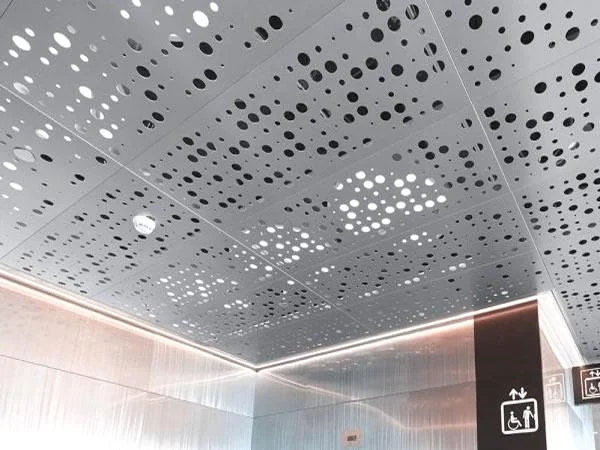
Perforated sheet open area and hole pitch should be confirmed before quotation because the hole size alone does not define the sheet. Buyers should send hole shape, hole size, pitch, open area if specified, sheet size, material, thickness, edge margin, finish, quantity, packing and drawings.
Answer summary: For perforated sheet RFQs, buyers should confirm whether open area is a required value or only a design reference. Then provide hole shape, hole size, pitch, pattern direction, sheet size, material, thickness, blank edge, finish, quantity and drawings. QY should not infer airflow, screening performance or safety compliance from open area alone.
Open area and pitch comparison
| RFQ detail | What it affects | What buyers should confirm |
|---|---|---|
| Hole shape | Defines perforation style | Round, square, slot, hexagonal or drawing-specified shape |
| Hole size | Defines opening | Diameter, width, length or drawing value |
| Pitch | Defines hole spacing | Center-to-center pitch, staggered pitch or straight pitch |
| Open area | Helps design review | Required percentage if specified by project |
| Pattern direction | Affects appearance and layout | Staggered, straight, length direction or drawing mark |
| Sheet size | Defines cutting scope | Width, length, tolerance and panel marks |
| Edge margin | Affects fabrication | Blank edge, border width, unperforated area or cut-to-edge |
| Material and finish | Defines quotation basis | Carbon steel, stainless steel, aluminum, galvanized, painted or powder coated |
| Packing and destination | Needed for export review | Sheet count, pallet, protective film, bundle marks and destination |
Why open area should not be guessed
Open area is usually calculated from hole size, pitch and pattern. If a buyer requires a specific open area, it should be stated clearly in the RFQ or drawing. If open area is not fixed, the buyer can send the hole size and pitch from a sample or drawing instead.
Perforated sheets used for guards, screens, ventilation panels, facades, filters or decorative panels may need different edge margins and orientation details. QY can review quotation details, but should not claim airflow, sound absorption, filtering performance, load capacity, safety compliance or local standard compliance without project data.
For product context, see perforated metal sheet, perforated metal sheet hole pattern guide and perforated sheet edge margin RFQ details.
Specification details to confirm
| Detail | Why it matters | What buyers should send |
|---|---|---|
| Product form | Defines supply scope | Sheet, panel, cut plate, formed panel or drawing-specified part |
| Hole pattern | Defines perforation | Hole shape, hole size, pitch and arrangement |
| Open area | Controls project requirement if fixed | Required percentage or "not specified" |
| Sheet thickness | Defines material and fabrication basis | Thickness and tolerance if required |
| Material | Defines quotation basis | Carbon steel, stainless steel, aluminum or project wording |
| Edge and margin | Affects cutting and appearance | Blank edge width, margin direction and hole-to-edge note |
| Finish | Affects surface review | Mill finish, galvanized, powder coated, painted or brushed finish |
| Drawing and quantity | Needed for review | Drawing, sketch, panel marks, quantity and destination |
Key terms to clarify
- Open area: The percentage of sheet area occupied by openings.
- Pitch: The center-to-center distance between holes.
- Staggered pattern: A hole layout where rows are offset instead of aligned.
- Blank edge: An unperforated border left around the sheet.
What to prepare before sending RFQ
For a faster perforated sheet review, prepare:
- Product form: sheet, cut panel or formed part.
- Hole shape, hole size and pitch.
- Open area if it is a required value.
- Pattern direction and staggered or straight layout.
- Sheet size, thickness and quantity.
- Material and finish.
- Edge margin, blank area and any bending or frame note.
- Packing, marks, destination and drawings.
RFQ checklist
Before sending a perforated sheet RFQ, confirm:
- Hole shape.
- Hole size.
- Pitch.
- Open area if specified.
- Pattern direction.
- Sheet size and thickness.
- Material and finish.
- Edge margin or blank area.
- Quantity.
- Packing, destination and drawings.
Related QY pages
- Perforated metal sheet for the main product page.
- Perforated metal sheet hole pattern guide for pattern details.
- Perforated sheet edge margins and blank areas for edge details.
- Perforated sheet thickness, material and finish for material and thickness details.
- Expanded metal vs perforated sheet for product comparison.
- Contact QY Metal Tech when sheet drawings and specifications are ready.
FAQ
What should a perforated sheet open area RFQ include?
Send hole shape, hole size, pitch, open area if specified, pattern direction, sheet size, thickness, material, finish, edge margin, quantity, packing and drawings.
Is open area enough to quote perforated sheet?
No. Open area should be paired with hole size, pitch, pattern, sheet size, material, thickness, finish, edge margin and quantity.
What if the buyer does not know the open area?
The buyer can send hole size, pitch, pattern and drawings or photos. QY can review the quotation basis from those details, but should not infer performance claims.
Can QY confirm airflow or safety performance from open area?
QY should not claim airflow, screening, load or safety performance from open area alone. Those claims need confirmed project requirements and technical review.
Related links
Related products and RFQ guides
- Wire mesh and sheet metal productsOpen the related product family section.
- Wire mesh and sheet metal topic entryWire mesh and sheet metal family page for welded wire mesh, woven wire mesh, expanded metal mesh and perforated metal sheet RFQs.
- Welded wire meshRelated product or guide page.
- Woven wire meshRelated product or guide page.
- Expanded Metal vs Perforated Sheet: What to Confirm Before RFQComparison and RFQ guide for expanded metal and perforated sheet, covering manufacturing method, pattern, open area, material, thickness, sheet size, finish, quantity and packing.
- Wire Mesh Opening and Wire Diameter: What Buyers Should ConfirmWire mesh RFQ guide explaining opening, wire diameter, material, roll or panel format, finish, size, quantity, packing, destination and buyer confirmation details.


