
Manually Welded vs Press-Welded Gratings Explained
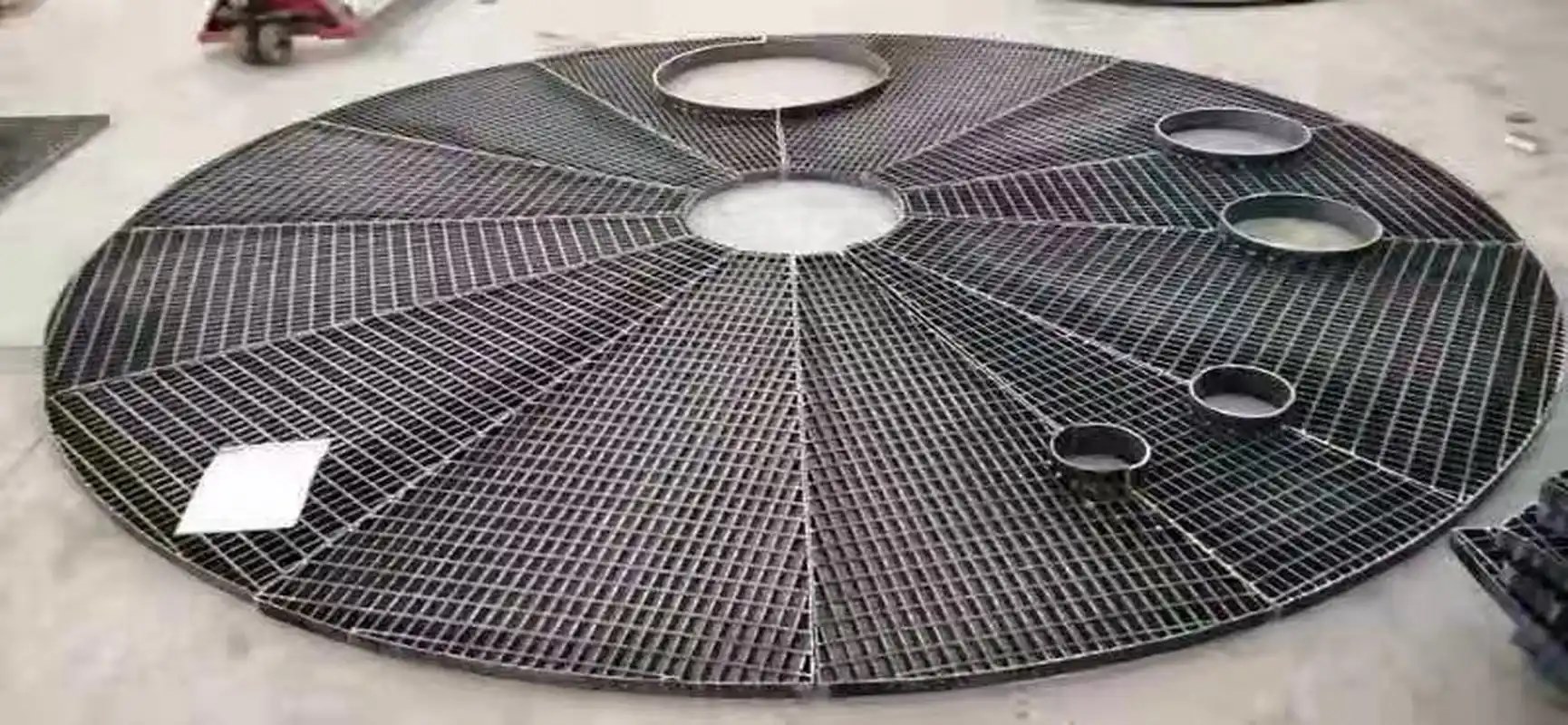
Manually welded gratings and press-welded gratings can both be used for steel grating RFQs, but they usually suit different production situations. Press-welded grating is commonly reviewed for regular panel production, while manual welding may be discussed for custom shapes, special bar layouts, small quantities or drawing-defined fabrication.
Answer summary: Choose the manufacturing route from the drawing, quantity, bar layout and fabrication details, not from the name alone. For either manually welded or press-welded grating, buyers should confirm bearing bar size, spacing, cross bar pitch or cross bar layout, panel size, bearing direction, cutouts, edge banding, surface, finish, quantity, packing and drawings.
Practical difference
Press-welded grating normally uses controlled pressure and welding to join cross bars to bearing bars in a regular layout. It is commonly discussed for standard welded steel grating panels with repeated spacing.
Manually welded grating uses drawing-led welding and fabrication operations where the layout or quantity may not fit a regular production pattern. It may be discussed for custom-shaped panels, unusual cross bars, frames, heavy edge details, repair matching or small project batches.
These descriptions do not confirm strength, compliance or suitability by themselves. The buyer's specification and engineering requirements still control the RFQ.
Comparison for RFQ planning
| Review point | Press-welded grating | Manually welded grating | What buyers should send |
|---|---|---|---|
| Typical layout | Repeated bearing bar and cross bar pattern | Drawing-defined or special layout | Panel drawing and spacing |
| Quantity | Often suited to repeat panels | May suit custom or limited quantities | Total quantity and panel marks |
| Shapes | Standard rectangular panels plus specified fabrication | Custom shapes, frames or unusual details may be discussed | Cutout and perimeter drawing |
| Cross bars | Regular welded cross bar pitch | Cross bar layout may be drawing-defined | Pitch, type and welding notes |
| Surface | Smooth or serrated | Smooth or serrated | Surface request |
| Finish | Galvanized, painted, black steel or project wording | Same, subject to fabrication scope | Finish and inspection request |
| Decision basis | Specification, quantity and repeatability | Drawing complexity and fabrication scope | Complete RFQ pack |
Do not select by manufacturing name alone
The terms manually welded and press welded do not define bearing bar size, spacing, panel size, finish or load requirement. Buyers should first send the product drawing and required specification. QY can then review which manufacturing route fits the quotation scope.
If the project uses a named standard, welding procedure, inspection requirement or special acceptance criteria, include those documents. Do not assume a generic manufacturing label satisfies project compliance.
Relationship to 19-W-4 grating
The term 19-W-4 is commonly used for a welded bar grating specification style. It can help identify bearing bar spacing and cross bar pitch, but it still does not define bar depth, thickness, panel size, finish or project load.
See the 19-W-4 steel grating RFQ guide for that specification intent.
Custom fabrication details
Manual welding may be discussed when drawings include:
- Irregular panel outlines.
- Circular, pipe or equipment cutouts.
- Heavy banding, toe plate or frame details.
- Mixed panel sizes and panel marks.
- Special cross bar positions.
- Replacement panels that must match an existing layout.
These details should be shown on the drawing rather than described only in email.
RFQ checklist
Before sending a manually welded or press-welded grating RFQ, prepare:
- Application and project specification.
- Preferred manufacturing wording if the project requires it.
- Bearing bar height, thickness and spacing.
- Cross bar pitch, type or drawing-defined layout.
- Smooth or serrated surface.
- Panel width, length, bearing direction and quantity.
- Cutouts, edge banding, toe plate, frames and clips.
- Material and finish.
- Welding or inspection requirement if specified by the project.
- Packing, destination and drawings.
Related QY pages
- Steel bar grating for welded grating product context.
- 19-W-4 steel grating RFQ guide for specification wording.
- Custom-shaped steel grating for irregular panel context.
- Steel grating weight RFQ guide for weight and packing planning.
- Steel grating RFQ checklist for complete buyer details.
- Contact QY Metal Tech when drawings and fabrication notes are ready.
FAQ
What is the difference between manually welded and press-welded grating?
Press-welded grating usually uses a regular welded bar layout, while manual welding may be discussed for custom shapes, unusual layouts, special details or limited quantities. The drawing should determine the quotation route.
Is manually welded grating stronger than press-welded grating?
The manufacturing name alone does not confirm strength. Strength review needs bar size, spacing, support span, material, welding details, load requirements and engineering criteria.
When should buyers ask about manually welded grating?
Ask about it when the drawing includes irregular shapes, special cross bar positions, frames, heavy edge details, replacement matching or other custom fabrication requirements.
What details are needed for either grating type?
Send bearing bar size and spacing, cross bar pitch or layout, panel size, bearing direction, surface, finish, cutouts, edge details, quantity, packing, destination and drawings.
Related links
Related products and RFQ guides
- Steel grating productsOpen the related product family section.
- Steel grating topic entrySteel grating family page for platform grating, stair treads, drain covers, serrated grating, galvanized grating and drawing-based RFQs.
- Galvanized steel gratingRelated product or guide page.
- Steel grating stair treadsRelated product or guide page.
- Steel Grating RFQ Checklist for International BuyersRFQ checklist for steel grating buyers covering application, panel or opening size, bearing bar direction, support span, finish, quantity, packing, destination and drawings.
- FRP Grating vs Galvanized Steel Grating for Wet AreasComparison guide for wet or corrosive area grating selection, covering FRP grating and galvanized steel grating by environment, traffic, support, cutouts and quotation details.


