
19-W-4 Steel Grating and Press-Welded Grating: What Buyers Should Confirm Before RFQ
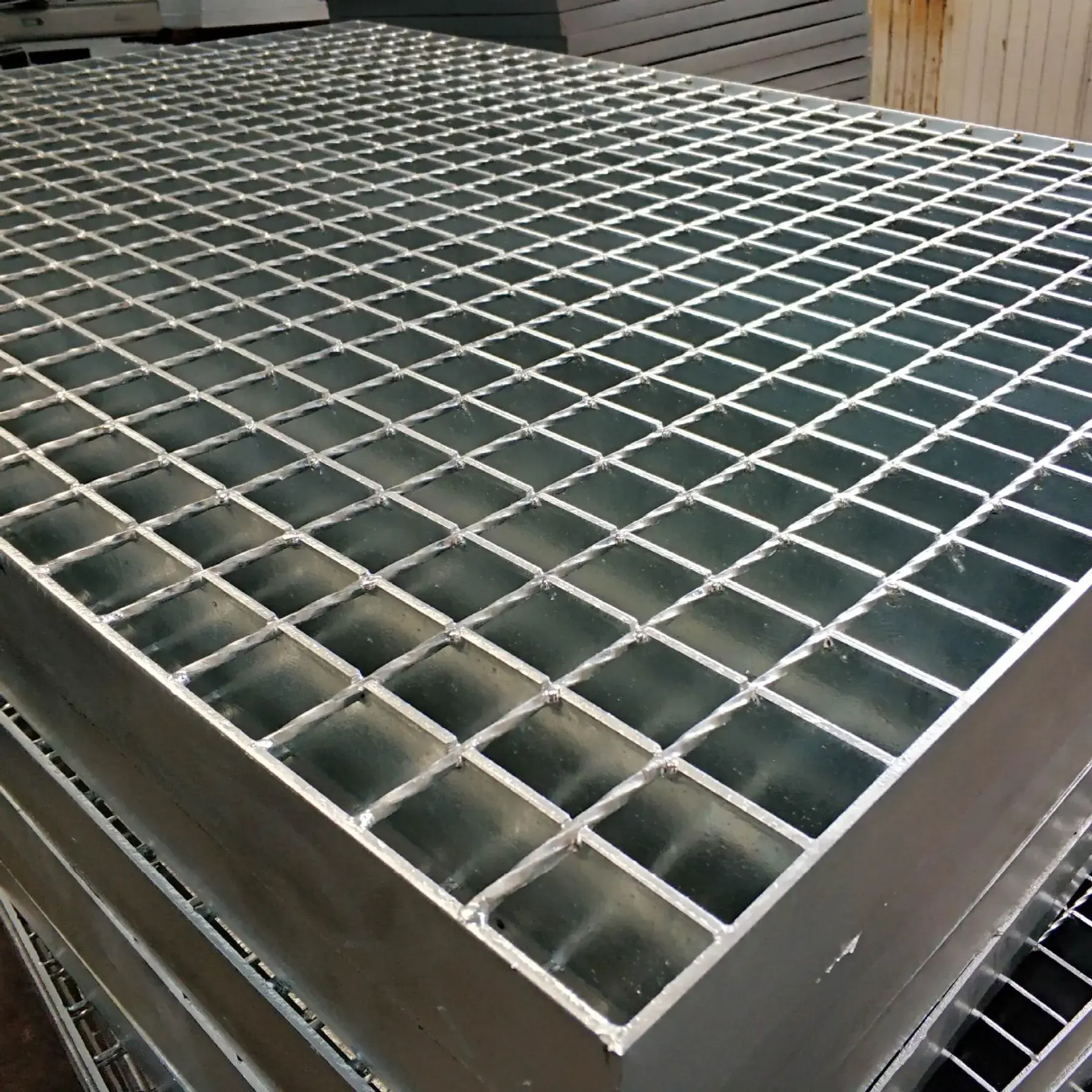
19-W-4 steel grating is commonly used as a specification label for welded bar grating. In many RFQs, "19" refers to the bearing bar spacing series, "W" indicates welded grating, and "4" refers to the cross bar pitch series. Buyers should still send the full drawing and bar size because the label alone is not enough for quotation.
Answer summary: For 19-W-4 steel grating or press-welded grating RFQs, buyers should confirm bearing bar spacing, cross bar pitch, bearing bar height and thickness, smooth or serrated surface, panel size, bearing direction, finish, edge banding, quantity, packing and drawings. The specification code helps identify the grating type, but it does not replace the complete RFQ details.
What 19-W-4 usually means in an RFQ
The term 19-W-4 is often seen in North American bar grating requests. Buyers use it to describe a welded steel grating style with a defined bearing bar spacing and cross bar pitch. However, different projects may still write specification codes differently, so QY should confirm the drawing, bar size and project wording before quotation.
For product context, see steel bar grating, platform steel grating and serrated bar grating.
19-W-4 and press-welded grating details
| RFQ item | Why it matters | What buyers should confirm |
|---|---|---|
| Specification code | Helps identify the requested grating family | 19-W-4, W-series wording or project specification |
| Bearing bar size | Main structural and weight detail | Bar height, thickness and material grade if required |
| Bearing bar spacing | Defines the bar layout | Spacing code, center-to-center spacing or drawing note |
| Cross bar pitch | Defines transverse bar spacing | Pitch code or project wording |
| Surface | Affects quotation and use discussion | Smooth or serrated bearing bar |
| Panel size | Needed for fabrication and packing | Width, length, quantity and panel marks |
| Bearing direction | Needed for layout review | Direction shown on drawing or marked photo |
| Finish | Affects production and packing | Hot-dip galvanized, painted, black steel or stainless request |
Why the code alone is not enough
A buyer may write "19-W-4 grating" and expect a complete quotation, but the supplier still needs the bearing bar size, panel dimensions, material, finish and quantity. The same grating style can be ordered in different bar depths, bar thicknesses, panel sizes and surface types.
If the grating is used for a platform, walkway, stair landing or trench cover, send drawings showing support direction, cutouts, edge banding and fixing details. If load or code compliance is involved, the buyer's engineer should define the project requirement.
Press-welded grating wording
Press-welded grating is often used to describe welded steel bar grating made by joining bearing bars and cross bars under pressure and welding. In export RFQs, buyers may use terms such as welded grating, press welded grating, welded bar grating or steel bar grating. QY should map the wording to the drawing and specification before quoting.
Do not assume that every "press welded grating" inquiry has the same spacing, surface, finish or load requirement. The RFQ should still list the actual project details.
RFQ checklist
Before sending a 19-W-4 or press-welded grating RFQ, prepare:
- Specification code or project wording.
- Bearing bar height, thickness and spacing.
- Cross bar pitch.
- Smooth or serrated surface request.
- Panel width, length, quantity and marks.
- Bearing direction and support span if known.
- Edge banding, cutouts, toe plate, clips or frame notes.
- Finish request.
- Packing, bundle marks and destination.
- Drawings, sketches or previous specification.
Related QY pages
- Steel bar grating for welded steel grating product context.
- Industrial platform grating for platform and walkway RFQs.
- Serrated bar grating for serrated surface requests.
- Steel grating weight RFQ guide for weight and packing planning.
- Steel grating RFQ checklist for complete inquiry details.
- Contact QY Metal Tech when drawings and specifications are ready.
FAQ
What does 19-W-4 steel grating mean?
It is commonly used as a welded bar grating specification label. Buyers should still confirm the bearing bar size, spacing, cross bar pitch, surface, finish, panel size and drawings before quotation.
Is 19-W-4 the same as press-welded grating?
19-W-4 usually describes a welded bar grating style, while press-welded grating is a broader manufacturing and product wording. The RFQ should confirm the exact specification.
What details are missing if a buyer only says 19-W-4?
The RFQ may still be missing bearing bar height and thickness, material, panel size, bearing direction, finish, quantity, edge banding, cutouts, clips, packing and destination.
Can QY confirm load capacity from the 19-W-4 code alone?
No. Load review needs project requirements, bar size, support span, layout, material and engineering criteria. The code alone should not be treated as a load confirmation.
Steel grating technical references
Use these references with the applicable project assumptions. They support pre-quotation screening and are not a certificate or engineering approval. Final quotation follows the confirmed drawing, dimensions, load or service conditions. The original PDF language is retained; the 11-W-4 reference does not specify 19-W-4.
Technical checks before quotation
- Confirm bearing-bar center distance, cross-bar type and panel dimensions.
- Select the load-table row from clear span, support condition, load direction and deflection limit.
- Confirm material and finish, including galvanized, painted or stainless requirements.
Related links
Related products and RFQ guides
- Steel grating productsOpen the related product family section.
- Steel grating topic entrySteel grating family page for platform grating, stair treads, drain covers, serrated grating, galvanized grating and drawing-based RFQs.
- Galvanized steel gratingRelated product or guide page.
- Steel grating stair treadsRelated product or guide page.
- Steel Grating RFQ Checklist for International BuyersRFQ checklist for steel grating buyers covering application, panel or opening size, bearing bar direction, support span, finish, quantity, packing, destination and drawings.
- FRP Grating vs Galvanized Steel Grating for Wet AreasComparison guide for wet or corrosive area grating selection, covering FRP grating and galvanized steel grating by environment, traffic, support, cutouts and quotation details.


