
Welded vs Woven Wire Mesh: Which Details Should Buyers Confirm?
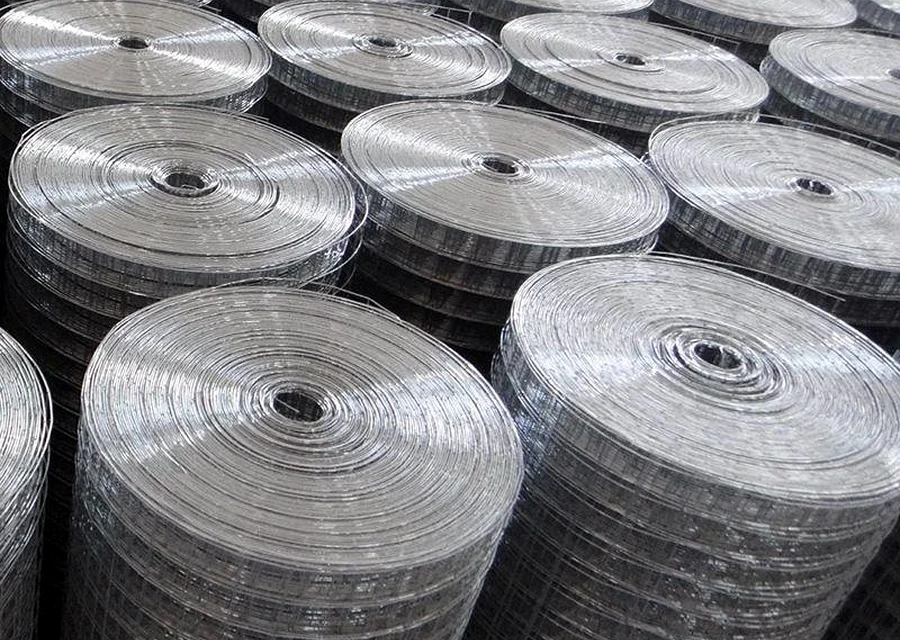
Welded and woven wire mesh can look similar in a short inquiry, but they are not the same construction. A useful RFQ should confirm whether the mesh is welded or woven, the opening, wire diameter, material, roll or panel form, finish, size, quantity, packing request, and destination before pricing.
Answer summary: Welded wire mesh is joined at wire intersections, while woven wire mesh is interlaced. Buyers should compare construction, opening, wire diameter, form, material, finish, application, and quotation details instead of choosing by name alone.
What is the main construction difference?
Welded wire mesh uses wires joined at intersections. It is often discussed when buyers need mesh panels, rolls, cages, guards, fencing, or reinforcement-type products where the welded joint is part of the product description.
Woven wire mesh uses interlaced wires. It is often discussed when buyers need an interwoven construction, roll form, screening, filtering support, guarding, or other applications where the mesh behavior depends on the woven pattern.
For product options, see welded wire mesh and woven wire mesh. For a related internal note, see the welded and woven mesh guide.
Welded vs woven wire mesh comparison table
| Selection point | Welded wire mesh | Woven wire mesh | What buyers should confirm |
|---|---|---|---|
| Construction | Wires are joined at intersections | Wires are interlaced | Required mesh type or sample photo |
| Opening | Usually described by opening or pitch | May be described by opening, aperture, or mesh count | Opening size, pitch, or mesh count |
| Wire diameter | Needed for quotation and product description | Needed for quotation and product description | Wire diameter, gauge, or specification |
| Form | Commonly requested as panels, sheets, or rolls | Commonly requested as rolls or cut pieces | Roll width and length, panel size, or sheet size |
| Material | Can use steel, galvanized wire, stainless, or other requests | Can use steel, stainless, galvanized, or other requests | Material grade or buyer requirement |
| Finish | May include galvanized, PVC coated, painted, or other finish | May include stainless, galvanized, or other finish | Finish, coating, color, and packing notes |
| Application | Guarding, fencing, cages, reinforcement support, partitions | Screening, filtering support, guarding, separation, decorative uses | Use condition, drawing, and project requirement |
Opening and wire diameter should be written clearly
The two details most likely to slow down a wire mesh quotation are opening and wire diameter. A buyer should avoid descriptions such as "small mesh," "heavy mesh," or "normal wire." Those phrases do not give a stable quotation basis.
If the buyer has a sample, a clear photo with a ruler can help. If the buyer has a drawing, specification, or old purchase record, send it with the RFQ. QY can review whether the information is enough for quotation.
Roll or panel form changes the quotation basis
Welded and woven wire mesh can be discussed in roll form, panel form, sheet form, or cut-to-size pieces. The form affects handling, packing, edge condition, and sometimes the practical product option.
Buyers should confirm:
- Roll width and roll length.
- Panel or sheet size.
- Quantity by roll, piece, sheet, square meter, or project list.
- Edge request if the mesh is cut.
- Packing, pallet, label, or loading notes.
If several sizes are needed, list each size separately instead of mixing all dimensions in one sentence.
Do not assume strength from the mesh name alone
Neither "welded" nor "woven" is enough to confirm strength, service condition, or project compliance. Wire diameter, material, opening, construction, edge condition, support, installation, and application all matter.
If the project has a technical requirement, buyers should send the drawing, specification, or standard for review. QY should not claim a specific strength or compliance result without the relevant project data.
What if the buyer only has a photo?
A photo can start the conversation, especially when the buyer wants to replace an existing mesh. The best photo includes a ruler, close-up of the opening, edge detail, and a wider view showing roll, panel, or installation form.
Add these notes with the photo:
- Whether the buyer wants welded or woven construction.
- Opening or approximate opening measurement.
- Wire diameter if known.
- Material and finish expectation.
- Roll, panel, or sheet size.
- Application and working environment.
- Quantity and destination.
RFQ checklist
Before sending a welded or woven wire mesh RFQ, prepare:
- Mesh type: welded wire mesh, woven wire mesh, or unknown sample.
- Opening, pitch, aperture, or mesh count.
- Wire diameter or gauge.
- Material.
- Roll, panel, sheet, or cut piece form.
- Width, length, panel size, or sheet size.
- Finish, coating, color, or stainless request.
- Edge, cutting, packing, label, or loading request.
- Application and project use.
- Quantity and destination.
- Drawing, specification, sample photo, or old product reference.
Related QY pages
- Welded wire mesh for welded mesh panel and roll review.
- Woven wire mesh for interlaced mesh options.
- Wire mesh for the broader wire mesh product family.
- Welded and woven mesh guide for a related construction note.
- Contact QY Metal Tech to send drawings, photos, size lists, quantity, and destination.
FAQ
What is the main difference between welded and woven wire mesh?
Welded wire mesh is joined at wire intersections. Woven wire mesh is interlaced. Buyers should confirm construction, opening, wire diameter, material, form, finish, and application before quotation.
Is welded wire mesh always stronger than woven wire mesh?
No. Strength or performance should not be assumed from the mesh name alone. Material, wire diameter, opening, construction, support, installation, and project requirement all matter.
Can QY quote welded or woven wire mesh from a photo?
QY may be able to start a preliminary review from a clear photo, especially if it includes a ruler or sample measurement. A cleaner quotation still needs opening, wire diameter, material, size, finish, quantity, and destination.
What details should buyers send for a wire mesh RFQ?
Buyers should send mesh type, opening, wire diameter, material, roll or panel form, size, finish, quantity, packing request, destination, and any drawing, specification, or sample photo.
Related links
Related products and RFQ guides
- Wire mesh and sheet metal productsOpen the related product family section.
- Wire mesh and sheet metal topic entryWire mesh and sheet metal family page for welded wire mesh, woven wire mesh, expanded metal mesh and perforated metal sheet RFQs.
- Welded wire meshRelated product or guide page.
- Woven wire meshRelated product or guide page.
- Expanded Metal vs Perforated Sheet: What to Confirm Before RFQComparison and RFQ guide for expanded metal and perforated sheet, covering manufacturing method, pattern, open area, material, thickness, sheet size, finish, quantity and packing.
- Wire Mesh Opening and Wire Diameter: What Buyers Should ConfirmWire mesh RFQ guide explaining opening, wire diameter, material, roll or panel format, finish, size, quantity, packing, destination and buyer confirmation details.


