
How to Choose Steel Grating for Industrial Platforms
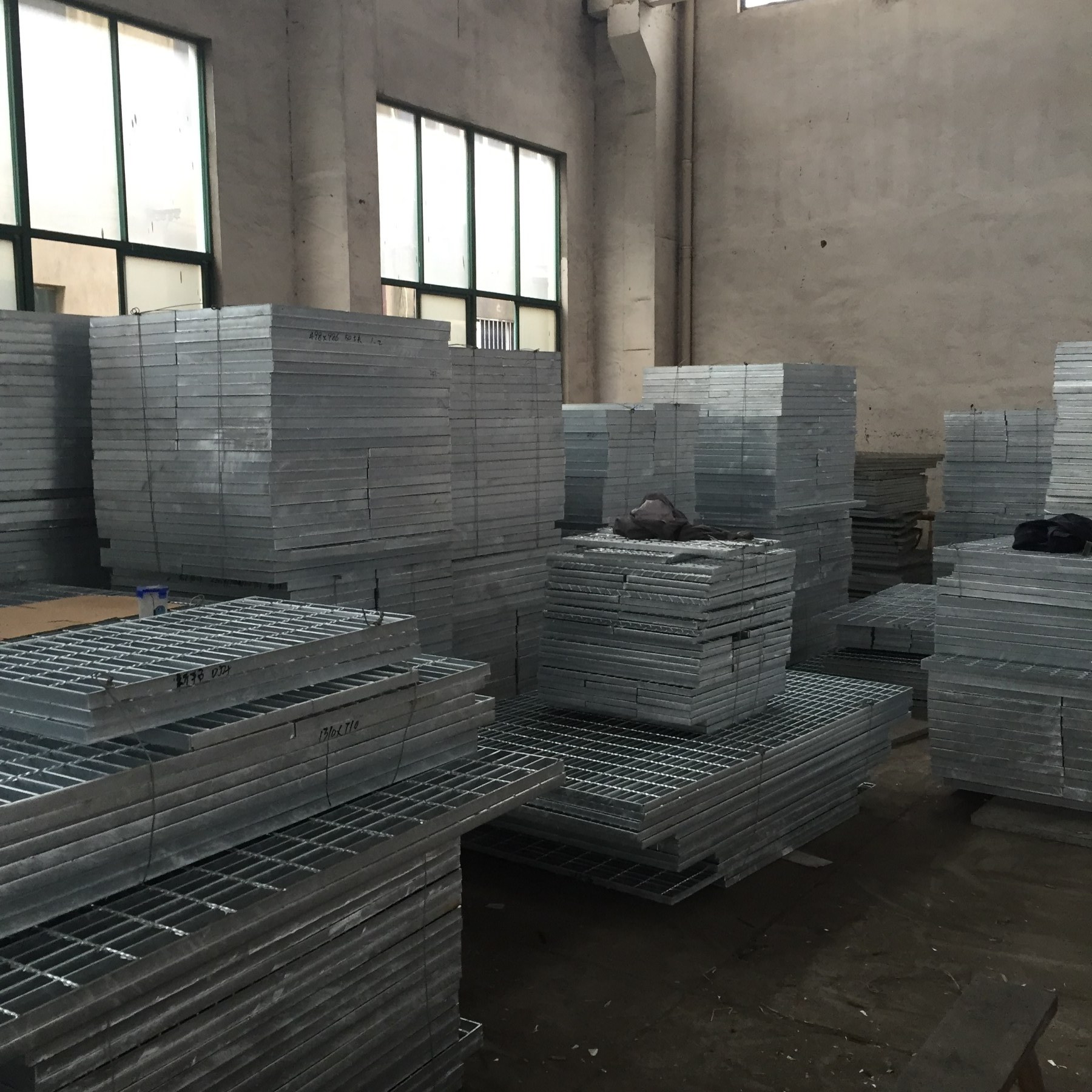
This guide is for project buyers, contractors, fabricators, and maintenance teams preparing an RFQ for industrial platform grating. A useful inquiry should define the platform use, support condition, bearing direction, panel layout, finish, cutouts, fixing method, quantity, packing request, and destination before pricing.
Industrial platforms often involve drawings, site dimensions, access openings, stair connections, handrails, drainage areas, and maintenance traffic. QY Metal Tech reviews product family, drawings, size, quantity, finish, packing, and destination details before quotation.
For the closest product page, see industrial platform grating. For the broader product family, see steel bar grating.
Start with the platform use and support condition
The first step is to explain where the grating will be installed. A maintenance platform, equipment access floor, walkway, mezzanine, trench-side platform, or plant access route may need different panel layout and fixing details.
The support condition is especially important. Buyers should send drawings or sketches showing:
- Support beam location.
- Opening size or platform outline.
- Bearing bar direction.
- Cutouts around pipes, columns, equipment, or handrail posts.
- Whether panels should be removable or fixed.
QY can review the quotation basis from the drawing, but the buyer should not treat any short inquiry as engineering approval. If load requirements or project standards matter, include them with the RFQ.
Confirm bearing direction before panel layout
Bearing direction affects how the grating is interpreted from the drawing. If a buyer sends only a rectangle size without support direction, the quotation may need clarification.
Use simple marks on the drawing:
- Arrow for bearing bar direction.
- Support beam marks.
- Panel split lines if the platform cannot be supplied as one piece.
- Removable panel notes where access is required.
If the support condition is unclear, QY may ask for a revised sketch before confirming the quotation basis. This helps avoid wrong assumptions about panel orientation, cutting, and packing.
Choose surface finish and edge details by environment
Surface finish should be stated clearly in the RFQ. Common buyer requests may include hot-dip galvanizing, painted finish, or stainless material, but the final choice should be reviewed against the actual project requirement.
Industrial platform grating can also include edge banding, kick plate interface, cutouts, or fixing clips. These details affect fabrication and packing, so they should be shown on drawings where possible.
Avoid asking for a generic "standard platform grating" without environment, support, finish, and layout information. Standard wording can mean different things in different projects.
Practical selection table for platform grating RFQs
| Selection point | Why it matters | What buyers should send |
|---|---|---|
| Platform use | Helps identify access, maintenance, drainage, or equipment-floor context | Application note and photos if available |
| Support span | Helps QY understand the support condition before quotation | Beam spacing, support sketch, or drawing |
| Bearing direction | Affects panel orientation and review | Arrow mark or written direction note |
| Panel layout | Affects fabrication, packing, and installation handling | Panel schedule, split lines, or opening dimensions |
| Cutouts | Affects edge finishing and drawing review | Pipe, column, equipment, or access cutout details |
| Surface finish | Affects project expectation and packing notes | Galvanized, painted, stainless, or other finish request |
| Fixing method | Affects accessories and installation notes | Clip request, removable panel need, or site preference |
| Quantity and destination | Needed for quotation and export packing review | Piece quantity, total area if known, country or port |
What should buyers avoid before requesting price?
Buyers can reduce back-and-forth by avoiding these problems:
- Sending only square meters without panel size or support direction.
- Asking for a load conclusion without drawings or project data.
- Forgetting cutouts, openings, stair connections, or fixing clips.
- Mixing several platform areas in one sketch without marks.
- Requesting finish, packing, or quantity changes after quotation.
If drawings are not ready, send a rough sketch, photos, platform dimensions, support notes, finish preference, and destination. QY can review what is missing before the buyer prepares a cleaner RFQ.
RFQ checklist
Before sending an industrial platform grating RFQ, prepare:
- Platform use or project area.
- Drawing, sketch, or site photo.
- Opening size or panel size.
- Support span if known.
- Bearing bar direction.
- Panel layout or split request.
- Cutouts, stair openings, pipe openings, or equipment clearances.
- Smooth or serrated surface preference if relevant.
- Finish request such as hot-dip galvanizing, paint, or stainless material.
- Fixing clips or removable panel notes.
- Quantity and destination.
- Packing, marks, or loading request.
Related QY pages
- Industrial platform grating for platform-specific steel grating review.
- Steel bar grating for the main steel grating product family.
- Steel grating load table for reference before discussing support and load requirements.
- Compound steel grating with checkered plate RFQ when the platform uses a plate-covered grating assembly and both layers must be specified together.
- QY Metal Tech services for drawing review, fabrication, packing, and export RFQ support.
- Contact QY Metal Tech when the platform drawing and quantity list are ready.
FAQ
What information is needed for an industrial platform grating RFQ?
An industrial platform grating RFQ should include platform use, drawing or sketch, support span if known, bearing direction, panel layout, cutouts, finish, fixing method, quantity, destination, and packing notes.
Can QY quote platform grating without complete drawings?
QY may be able to start a preliminary review from sketches, photos, opening size, support notes, finish request, quantity, and destination. A final quotation may still require clearer drawings.
Why is bearing direction important for platform grating?
Bearing direction helps show how the grating is supported and how panels should be oriented. If this direction is unclear, the same platform opening can be interpreted in different ways.
Should buyers send load requirements?
If the project has load or traffic requirements, buyers should send the requirement, drawing, and support information. QY should not invent load capacity without project data and engineering review.
Selection to RFQ
Move from selection notes to a clean quotation request
After checking grating type, load direction and finish, send enough project data to avoid a vague price-only reply.
- Use casePlatform, walkway, drain cover, stair tread or project access area.
- SpecificationSupport span, bearing bar direction, surface and finish requirement.
- Project fileDrawing, marked sketch, quantity list or site photos.
Related links
Related products and RFQ guides
- Steel grating productsOpen the related product family section.
- Steel grating topic entrySteel grating family page for platform grating, stair treads, drain covers, serrated grating, galvanized grating and drawing-based RFQs.
- Galvanized steel gratingRelated product or guide page.
- Steel grating stair treadsRelated product or guide page.
- Steel Grating RFQ Checklist for International BuyersRFQ checklist for steel grating buyers covering application, panel or opening size, bearing bar direction, support span, finish, quantity, packing, destination and drawings.
- FRP Grating vs Galvanized Steel Grating for Wet AreasComparison guide for wet or corrosive area grating selection, covering FRP grating and galvanized steel grating by environment, traffic, support, cutouts and quotation details.


