
Welded Wire Mesh Panels vs Rolls: RFQ Details Buyers Should Confirm
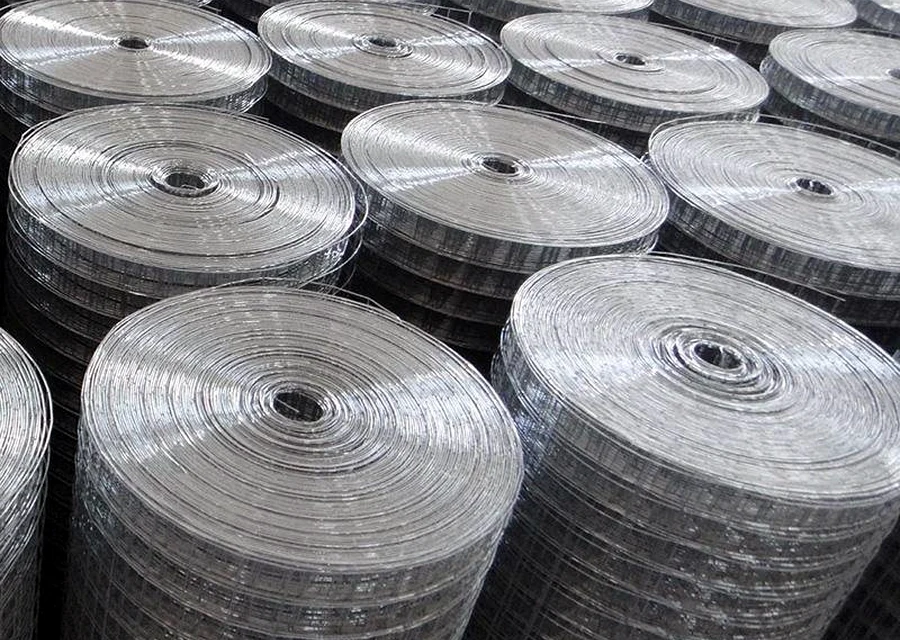
Welded wire mesh panels and rolls should be compared by application, handling, opening, wire diameter, size, material, finish, packing, and installation method. Neither format is automatically better; the right choice depends on how the mesh will be transported, cut, fixed, stored, and used on site.
Answer summary: Panels are often easier to handle when fixed sizes, flatness, frames or fabrication steps matter. Rolls are often discussed when long lengths, storage efficiency, continuous fencing or flexible site cutting matter. Buyers should confirm mesh opening, wire diameter, roll or panel size, material, finish, quantity, packing and destination before RFQ.
Start with how the mesh will be used
The panel or roll decision should begin with the application. A machine guard, fence panel, construction mesh, animal enclosure, rack partition, concrete support layer, or general screen may all require different handling and packing.
If the project needs flat pieces, welded frames, fixed panel size, or easy counting by piece, panels may be easier to review. If the project needs longer continuous lengths, roll storage, or field cutting, rolls may be more practical. The final choice should follow the buyer's drawing, installation method and packing expectation.
For product context, see welded wire mesh and the broader wire mesh product family.
Panels vs rolls comparison
| Format | Common reason buyers ask | RFQ details to confirm |
|---|---|---|
| Welded wire mesh panels | Fixed pieces, flatness, frames, guarding, partitions or easier counting | Panel width and height, opening, wire diameter, edge condition, finish and packing |
| Welded wire mesh rolls | Long length, site cutting, storage efficiency or continuous fence use | Roll width, roll length, opening, wire diameter, material, finish and roll packing |
| Cut-to-size panels | Project needs pieces smaller than standard sheets | Cutting size, tolerance, edge condition, quantity and bundle marks |
| Framed mesh panels | Mesh will be fabricated into a frame or fence panel | Frame size, post or fixing method, finish, accessories and drawings |
| Coated mesh rolls | Outdoor or corrosion-exposed use | Coating type, color if required, roll size, packing and destination |
Confirm opening and wire diameter before format
The supply format is important, but opening and wire diameter should be confirmed first. A buyer asking for "welded mesh panel" without opening, wire diameter, size, material or finish will usually need follow-up before pricing.
Useful RFQ language includes opening size, wire diameter or wire gauge, material, roll or panel form, width, length, panel size, finish, quantity, packing and destination. If the mesh will be used for safety guarding, fencing, support or filtration, send the application and any project standard.
For related details, see wire mesh opening and wire diameter and welded vs woven wire mesh.
Do not assume one format is always better
Panels can be easier for flat installation and counting, but they may take more packing space. Rolls can be efficient for long lengths, but they may require site cutting and may not suit every flat-panel application. The project layout, handling method, transport plan, and installation requirement should control the choice.
QY can review both options for quotation, but should not claim one format is always stronger, safer, cheaper, or compliant without material, construction, drawing and project data.
RFQ checklist
Before sending a welded wire mesh panel or roll RFQ, prepare:
- Application or project use.
- Panel, roll, cut-to-size piece, or framed panel preference.
- Opening size or mesh spacing.
- Wire diameter or wire gauge.
- Material, such as carbon steel, galvanized wire, stainless steel, or project-specified material.
- Roll width and length, or panel width and height.
- Finish or coating request.
- Edge condition, frame, bending, cutting, or accessory requirement.
- Quantity and destination.
- Packing, marks and loading request.
- Drawings, sketches, photos, or previous order reference.
Related QY pages
- Welded wire mesh for the main product page.
- Wire mesh for the broader wire mesh product family.
- Wire mesh opening and wire diameter for core specification details.
- Welded vs woven wire mesh for construction comparison.
- Contact QY Metal Tech when mesh specifications and quantities are ready.
FAQ
Are welded wire mesh panels better than rolls?
Not always. Panels may be easier for fixed sizes, flat installation, frames, guards or partitions. Rolls may suit longer lengths, storage, transport efficiency or site cutting. The project use should decide the format.
What details are needed for welded wire mesh panels?
Panel RFQs should include panel width and height, opening size, wire diameter, material, finish, edge condition, frame or bending request if any, quantity, packing and destination.
What details are needed for welded wire mesh rolls?
Roll RFQs should include roll width, roll length, opening size, wire diameter, material, finish or coating, quantity, roll packing and destination.
Can QY recommend panel or roll format from a photo?
QY may start a preliminary review from clear photos, application, dimensions and quantity, but final quotation should still confirm opening, wire diameter, material, format, size, finish, packing and destination.
Related links
Related products and RFQ guides
- Wire mesh and sheet metal productsOpen the related product family section.
- Wire mesh and sheet metal topic entryWire mesh and sheet metal family page for welded wire mesh, woven wire mesh, expanded metal mesh and perforated metal sheet RFQs.
- Welded wire meshRelated product or guide page.
- Woven wire meshRelated product or guide page.
- Expanded Metal vs Perforated Sheet: What to Confirm Before RFQComparison and RFQ guide for expanded metal and perforated sheet, covering manufacturing method, pattern, open area, material, thickness, sheet size, finish, quantity and packing.
- Wire Mesh Opening and Wire Diameter: What Buyers Should ConfirmWire mesh RFQ guide explaining opening, wire diameter, material, roll or panel format, finish, size, quantity, packing, destination and buyer confirmation details.


