

Steel Grating
Press-Locked Steel Grating
Press-locked steel grating uses pressure-fitted cross bars to create a clean, uniform grid. It is often reviewed for visible platforms, screens, ventilation panels and close-mesh floor areas where appearance and spacing matter.
Files PDF, DWG, DXF, sketches and product photos are welcome.
Buyer overview
Press-Locked Steel Grating is quoted by grid pitch, bar size, panel layout and finish
Confirm bearing bar direction, cross bar pitch, mesh opening, panel size, support span, material, finish and any cutouts before quotation.
For appearance-sensitive panels, note the visible face, edge banding, close-mesh requirement, cutouts and packing marks so production can match the approved drawing.
Bearing bar
Height, thickness, pitch and load-bearing direction should match the support span.
Pressed cross bar
Cross bar size and spacing define the uniform grid appearance.
Mesh pitch
Standard or close mesh is selected for walking, screening or ventilation use.
Panel layout
Overall size, cutouts, banding, face side and fixing details should follow drawings.
Material & finish
Carbon steel, galvanized steel, stainless steel or aluminum with HDG, paint, powder coat or stainless finish.
Specification options
Press-Locked Steel Grating specification options
Use these options to confirm bar size, pressed cross bar layout, mesh pitch and drawing-based fabrication before quotation.
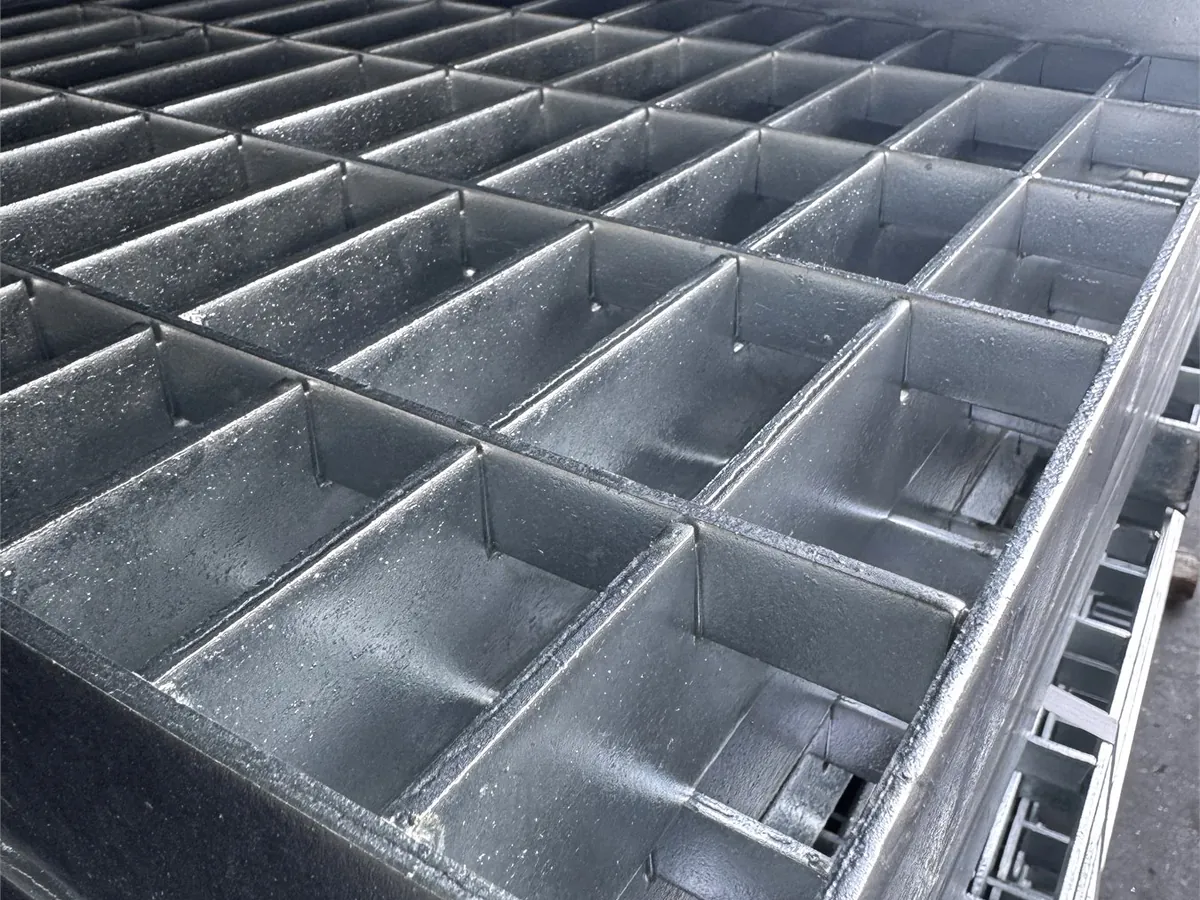
Bearing bar and pitch
Confirm bearing bar height, thickness, pitch and load direction from the support layout.
Pressed cross bar layout
Confirm cross bar size, spacing and visible grid appearance before production.
Panel fabrication
Confirm cutouts, banding, face side, marks and installation sequence by drawing.
Press-locked grating technical reference
| Bearing bar | Confirm bar height, thickness, pitch and bearing direction according to span and load. |
|---|---|
| Pressed cross bar | Confirm cross bar size, pitch and whether a standard or close-mesh layout is required. |
| Panel layout | Overall size, cutouts, notches, banding and fixing details should follow drawings. |
| Visible face | For architectural or screen panels, mark the face side and any appearance requirement before production. |
| Material and finish | Carbon steel, galvanized steel, stainless steel or aluminum can be reviewed with HDG, paint, powder coat or stainless finish. |
Design notes
Confirm the details that control grid appearance and installation
Panel size, support condition, mesh pitch, visible face, cutouts and edge banding decide whether a press-locked grating quote can be prepared accurately.
For replacement panels, photos of the old panel and marked dimensions help confirm pitch, bearing direction and fixing position when full CAD drawings are not available.
Standards reference
Standards, finish and visible-face requirements to review
- Press-locked grating can be reviewed by drawing, bar size, mesh pitch, load notes and project standards such as YB/T 4001.1, ANSI/NAAMM MBG 531 or BS 4592 when required.
- Hot-dip galvanizing, painting, powder coating, stainless finish or aluminum finish should be selected by exposure, appearance and maintenance expectation.
- Visible panels should confirm face side, edge banding, burr control and surface appearance before production.
- Final specification should follow approved drawings, load notes, local safety requirements and buyer approval documents.
Specification examples
Common press-locked grating RFQ expressions
| P325/30/100 panel | 32 x 5 mm bearing bar with 30 mm bearing pitch and 100 mm cross bar pitch; final span is checked by load. |
|---|---|
| Close-mesh panel | Closer bar or cross bar pitch for screens, ventilation panels or visible walking areas. |
| Stainless or aluminum option | Material option for clean, corrosive or appearance-sensitive service areas. |
| Cut-to-size panel set | Panel size, openings, banding, face side and marks confirmed by drawing. |
Use these expressions as starting points only; final pitch, bar size, span, material, finish and cutouts should follow drawings.
Applications
Where press-locked steel grating works best

Visible platform flooring
Clean lines for walkways, mezzanines and access floors where appearance matters.

Screens and ventilation panels
Close mesh and uniform grid appearance for industrial or building panels.
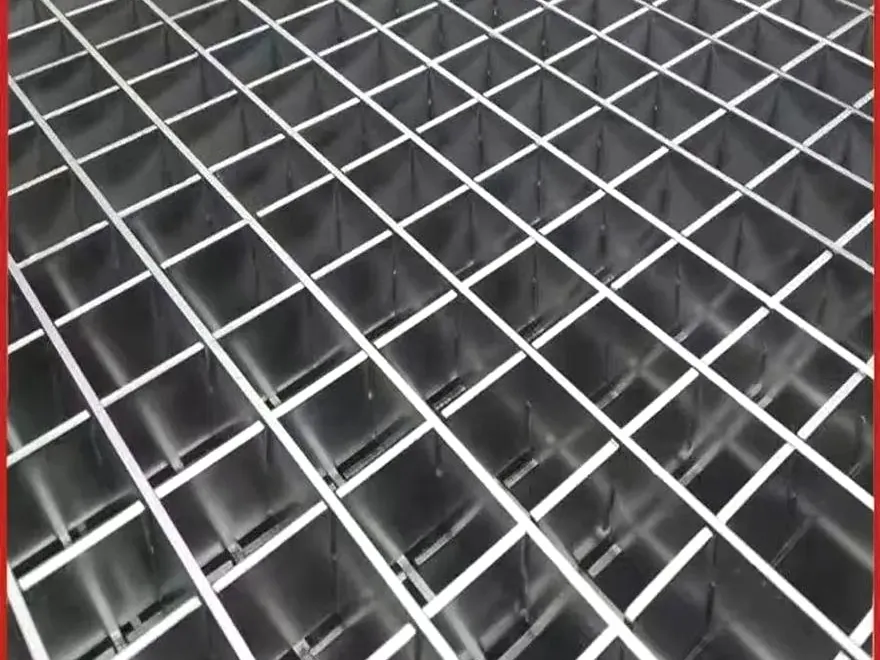
Custom close-mesh panels
Cutouts, edge banding and special panel sizes can be reviewed from drawings.
RFQ checklist
Send press-locked grating grid, panel and finish details for a faster quote
Include bar size, mesh pitch, panel size, support span, visible face, material, finish, quantity and destination. Drawings or photos are especially useful for close-mesh and appearance-sensitive panels.
Press-Locked Steel Grating RFQ checklist
- Bearing bar height, thickness, pitch and direction
- Pressed cross bar size, pitch and mesh opening
- Panel size, support span, cutouts and banding
- Material, finish, visible face and surface expectation
- Quantity, destination port, packing marks and delivery notes.
Project notes
Confirm grid appearance, drawings and packing before production
For project supply, press-locked grating should be checked against the panel drawing, visible face, installation area and export packing sequence before production.
Clear panel marks, edge banding notes and finish requirements reduce revisions and make the quotation easier to compare.
Factory review checklist
- Bearing bar height, thickness, pitch and direction
- Pressed cross bar size, pitch and mesh opening
- Panel size, support span, cutouts and banding
- Material, finish, visible face and surface expectation
- Quantity, destination port, packing marks and delivery notes.
FAQ
Common press-locked steel grating questions
How is press-locked grating different from welded grating?
Press-locked grating has cross bars pressed into the bearing bars, giving a cleaner and more uniform grid. Welded grating is the usual choice for heavy industrial floors and cost efficiency.
When should I choose press-locked grating?
For visible platforms, building screens, ventilation panels and close-mesh areas where appearance or exact openings matter.
What does a code like P325/30/100 mean?
32 × 5 mm bearing bars at 30 mm pitch with cross bars at 100 mm pitch. The final span is checked against your load.
Which materials are available?
Carbon steel, galvanized steel, stainless steel or aluminum, with hot-dip galvanized, painted, powder-coated or stainless finish.
Can press-locked grating be made with a close mesh?
Yes. A closer bearing-bar or cross-bar pitch can be used for screens, ventilation panels or walking areas that need smaller openings.
Why should the visible face be marked on drawings?
For architectural panels, marking the face side lets production control edge banding, burrs and surface appearance on the side people will see.
Related paths
Continue from this product
Need a practical press-locked steel grating quotation?
Include bar size, mesh pitch, panel layout, material, finish, quantity, destination and any drawings or photos. We will review the details before quotation.
Selection path
Specification, data and project references
1 · Check technical data
2 · See project references
3 · Datasheet and quotation
Order terms
- MOQ: 50 pcs (panels, rolls or pieces)
- Samples available; sample and freight costs paid by the buyer
- Payment: 30% deposit, 70% before shipment
- Lead time: usually 30 days ex-works after deposit and drawing approval
- Quotation in 24–48 hours on working days
- Drawings: PDF, DWG, DXF, JPG, PNG, WebP up to 12 MB
Product datasheet
Press-Locked Steel Grating datasheet
2-page PDF: typical specifications, what we confirm before quotation, RFQ checklist and contact details. (419 KB)
RFQ form
Request Press-Locked Steel Grating quotation
Upload drawings if available. Include bar size, mesh pitch, panel layout, visible face, finish, quantity and destination for a faster technical response.
Related links
Related product and RFQ resources
- Steel grating product catalogBrowse the related product family section.
- Steel grating topic entrySteel grating family page for platform grating, stair treads, drain covers, serrated grating, galvanized grating and drawing-based RFQs.
- 19-W-4 steel gratingCompare material, bar spacing and project specification details.
- Carbon steel bar gratingCompare material, bar spacing and project specification details.
- Steel Grating RFQ Checklist for International BuyersRFQ checklist for steel grating buyers covering application, panel or opening size, bearing bar direction, support span, finish, quantity, packing, destination and drawings.
- FRP Grating vs Galvanized Steel Grating for Wet AreasComparison guide for wet or corrosive area grating selection, covering FRP grating and galvanized steel grating by environment, traffic, support, cutouts and quotation details.
- How to Choose Steel Grating for Industrial PlatformsIndustrial platform grating selection guide covering platform use, support span, bearing direction, panel layout, finish, cutouts, fixing clips, drawings and RFQ details.
- Send project RFQ detailsSend drawings, dimensions, finish notes, quantity and destination for review.
Factory verification and order terms
Video factory visits by appointment
Video factory visits can be arranged in advance. Contact our sales team to agree a time, platform and accessible production, inspection or packing areas. Other customers’ information and confidential areas are not shown.
Lead time: usually 30 days ex-works
For regular orders, production usually takes 30 days ex-works, counted from receipt of the deposit and approval of the drawings. Larger or special orders, and stock availability, are confirmed in the written quotation. Production and transport times are stated separately in the quotation or contract.
Written quotation and delivery terms
Trade terms are agreed for each order and logistics arrangement. The written quotation specifies the applicable Incoterms® 2020 rule, named delivery place or port of shipment, and whether freight, insurance and taxes are included. For containers handed to a carrier before vessel loading, FCA is considered rather than automatically using FOB.
Quality concerns and corrective action
Please provide the order number, affected quantity, photos or video, and relevant measurements or inspection records when reporting a quality concern. If responsibility is confirmed to lie with us, a remedy such as repair, additional supply, replacement, refund or price adjustment is agreed under the contract. Costs and the action plan are confirmed in writing; no unconditional return or fixed resolution period is promised.


