
Raised vs Flattened Expanded Metal: RFQ Details Buyers Should Confirm
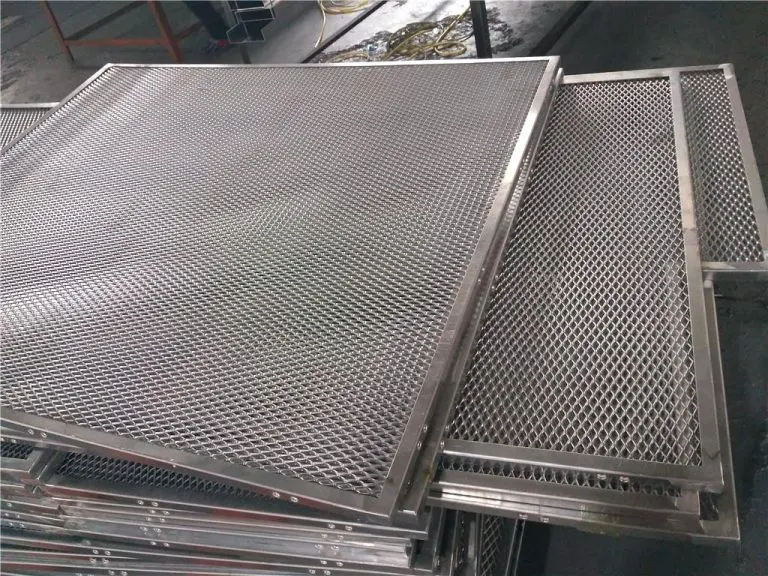
Raised vs flattened expanded metal RFQs should confirm the required form, material, sheet thickness, opening size, strand width, sheet size, edge condition, finish, quantity, packing and drawings. The two forms should not be treated as interchangeable without project confirmation.
Answer summary: Raised expanded metal keeps the raised strand shape after expansion. Flattened expanded metal is processed to make the sheet flatter. Buyers should confirm which form is required, plus material, thickness, long way opening, short way opening, strand width, sheet size, finish, edge condition, quantity, packing and destination before quotation.
Direct comparison
Raised and flattened expanded metal can look similar in a short inquiry, but they affect surface profile, apparent thickness, handling, packing and application review. A buyer should not ask for "expanded metal mesh" without saying whether raised or flattened form is needed.
If the project has a drawing, sample photo or previous order reference, send it with the RFQ. If the form is not fixed, describe the application so QY can review quotation options without overclaiming performance.
For product context, see expanded metal mesh, expanded metal opening and strand size and expanded metal vs perforated sheet.
Raised vs flattened expanded metal
| Form | What it means | RFQ details to confirm |
|---|---|---|
| Raised expanded metal | Sheet remains in the raised strand form after slitting and expanding | Material, thickness, opening, strand width, sheet size, finish and edge condition |
| Flattened expanded metal | Expanded sheet is flattened after expansion for a flatter surface | Material, final sheet size, opening, thickness wording, flatness expectation, finish and packing |
| Drawing-specified form | The project drawing controls the choice | Send the drawing, specification wording, sample photo and quantity list |
| Unsure form | Buyer has not decided between raised and flattened | Send application, handling needs, surface expectation and previous reference if available |
Specification details to confirm
| Detail | Why it matters | What buyers should send |
|---|---|---|
| Required form | Avoids wrong quotation basis | Raised, flattened or drawing-specified expanded metal |
| Material | Defines product basis | Carbon steel, stainless steel, aluminum or project-specified material |
| Sheet thickness | Affects product review | Original sheet thickness, final thickness wording or drawing note |
| Opening size | Defines pattern | Long way opening and short way opening |
| Strand width | Defines metal between openings | Strand width from drawing, sample or specification |
| Sheet size | Affects cutting and packing | Width, length, tolerance and quantity |
| Edge condition | Affects fabrication scope | Raw edge, trimmed edge, framed edge or cutouts |
| Finish | Affects appearance and corrosion review | Galvanized, painted, powder coated, mill finish or project wording |
| Packing and destination | Needed for export review | Bundle marks, pallet request, loading note and destination |
Key terms to clarify
- Raised expanded metal: Expanded metal in the raised strand form after stretching.
- Flattened expanded metal: Expanded metal that has been flattened after expansion.
- Long way opening: The longer diagonal dimension of the mesh opening.
- Short way opening: The shorter diagonal dimension of the mesh opening.
- Strand width: The width of the metal strand between openings.
Best-fit guidance
Raised expanded metal is often discussed when the project accepts the raised profile or needs the original expanded form. Flattened expanded metal is often discussed when the buyer wants a flatter sheet surface or a drawing specifies flattened form.
This is not a performance guarantee. QY should not claim load capacity, open area, guarding performance, airflow performance, slip performance or local compliance without confirmed pattern data and project requirements.
What to prepare before sending RFQ
Before asking for raised or flattened expanded metal pricing, prepare:
- Raised, flattened or drawing-specified form.
- Material and sheet thickness.
- Long way opening and short way opening.
- Strand width and strand thickness if specified.
- Sheet width, sheet length and quantity.
- Edge condition, trimmed edge, frame or cutout notes.
- Finish, coating and color request.
- Application and surface expectation.
- Drawing, sample photo or previous order reference.
- Packing marks, pallet request and destination.
RFQ checklist
Before sending an expanded metal RFQ, confirm:
- Raised or flattened form.
- Material.
- Sheet thickness.
- Opening size.
- Strand width.
- Sheet size and quantity.
- Edge condition.
- Finish.
- Application.
- Packing and destination.
- Drawings or sample photos.
Related QY pages
- Expanded metal mesh for the main product page.
- Expanded metal opening and strand size for pattern details.
- Expanded metal LWD and SWD direction RFQ for drawing arrows, finished-sheet orientation and panel marks.
- Expanded metal walkway mesh selection for walkway duty, supports, finished sheets and project approval inputs.
- Expanded metal vs perforated sheet for product comparison.
- Perforated metal sheet for punched-hole sheet alternatives.
- Contact QY Metal Tech when drawings and expanded metal details are ready.
FAQ
What is the difference between raised and flattened expanded metal?
Raised expanded metal keeps the raised strand form after expansion. Flattened expanded metal is processed after expansion to make the sheet flatter.
What details are needed for raised expanded metal RFQs?
Send material, sheet thickness, opening size, strand width, sheet size, edge condition, finish, quantity, packing, destination and drawings or sample photos.
What details are needed for flattened expanded metal RFQs?
Send the flattened form request, material, thickness wording, opening size, strand width, finished sheet size, edge condition, finish, quantity and drawings.
Can QY decide raised or flattened form from a product name only?
No. The form should come from the buyer's drawing, sample, application or project specification. If unsure, buyers should explain the use condition and surface expectation.
Related links
Related products and RFQ guides
- Wire mesh and sheet metal productsOpen the related product family section.
- Wire mesh and sheet metal topic entryWire mesh and sheet metal family page for welded wire mesh, woven wire mesh, expanded metal mesh and perforated metal sheet RFQs.
- Welded wire meshRelated product or guide page.
- Woven wire meshRelated product or guide page.
- Expanded Metal vs Perforated Sheet: What to Confirm Before RFQComparison and RFQ guide for expanded metal and perforated sheet, covering manufacturing method, pattern, open area, material, thickness, sheet size, finish, quantity and packing.
- Wire Mesh Opening and Wire Diameter: What Buyers Should ConfirmWire mesh RFQ guide explaining opening, wire diameter, material, roll or panel format, finish, size, quantity, packing, destination and buyer confirmation details.


