
Expanded Metal Opening, Strand Size and Sheet Thickness: RFQ Details Buyers Should Confirm
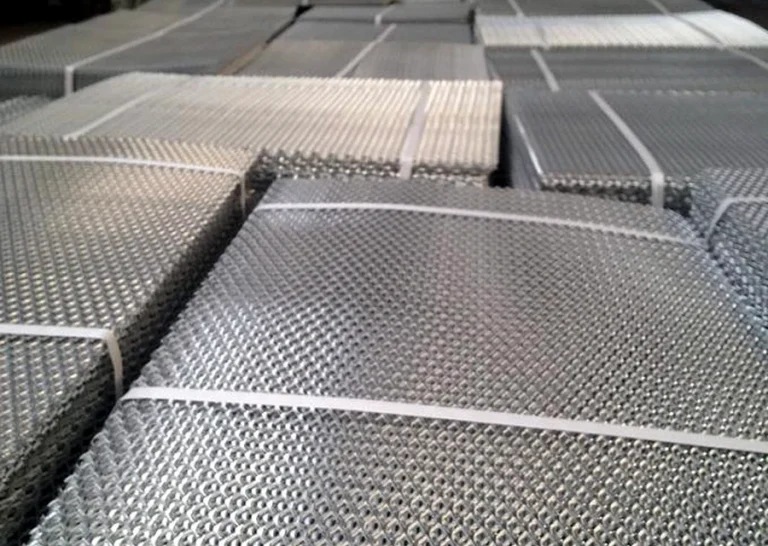
Expanded metal opening, strand size and sheet thickness should be confirmed before quotation because these details define the mesh pattern more clearly than the phrase "expanded metal mesh." Buyers should send material, thickness, opening size, strand width, strand thickness if specified, raised or flattened type, sheet size, finish, quantity, packing, and destination.
Answer summary: For expanded metal RFQs, buyers should confirm material, sheet thickness, long way opening, short way opening, strand width, strand thickness if specified, raised or flattened form, sheet size, edge condition, finish, quantity, packing, destination, and drawings or sample photos.
Why opening and strand details matter
Expanded metal is made by slitting and stretching sheet metal. Because of that process, buyers should describe the opening and strand details instead of only sending total square meters.
The same application may need different opening size, strand width, sheet thickness, finish, and sheet size. If a buyer has a drawing, sample photo or previous specification, it should be sent with the RFQ so the pattern can be reviewed carefully.
For product context, see expanded metal mesh and expanded metal vs perforated sheet.
Specification details to confirm
| Detail | Why it matters | What buyers should send |
|---|---|---|
| Material | Defines quotation basis | Carbon steel, stainless steel, aluminum or project-specified material |
| Sheet thickness | Affects product and fabrication review | Original sheet thickness or drawing-specified thickness |
| Opening size | Defines mesh pattern | Long way opening and short way opening if known |
| Strand width | Affects pattern description | Strand width from drawing, standard request or sample reference |
| Strand thickness | Avoids unclear requests | Confirm if it is the same as sheet thickness or separately specified |
| Raised or flattened form | Affects appearance and thickness discussion | Raised expanded metal, flattened expanded metal or drawing-specified form |
| Sheet size | Affects cutting and packing | Finished sheet width and length, tolerance and quantity |
| Edge condition | Affects fabrication scope | Raw edge, trimmed edge, framed edge or drawing-specified edge |
| Finish | Affects corrosion and appearance review | Galvanized, painted, powder coated, mill finish or project wording |
| Packing and destination | Needed for export quotation | Bundle marks, pallet request, loading note and destination country or port |
Key terms to clarify
- Long way opening: The longer diagonal dimension of the expanded metal opening.
- Short way opening: The shorter diagonal dimension of the expanded metal opening.
- Strand width: The width of the metal strand between openings.
- Raised expanded metal: Expanded metal in its normal raised form after stretching.
- Flattened expanded metal: Expanded metal that has been flattened after expansion for a flatter surface.
Raised vs flattened expanded metal
Raised and flattened expanded metal are not interchangeable in every RFQ. Raised expanded metal has a more three-dimensional strand form, while flattened expanded metal is processed to make the sheet flatter. The buyer should confirm which form is required by drawing, sample, application or previous order.
QY can review drawings and specification details for quotation, but should not claim exact open area, load capacity, guarding performance, airflow performance, or local compliance without confirmed pattern data and project requirements.
What to prepare before sending RFQ
For a faster expanded metal review, prepare:
- Material and sheet thickness.
- Long way opening and short way opening.
- Strand width and strand thickness if specified.
- Raised or flattened expanded metal request.
- Sheet size, tolerance and quantity.
- Edge condition, trimmed edge, frame or cutout notes.
- Finish, coating and color request.
- Application, such as screening, guarding, ventilation, walkway, enclosure or decoration.
- Drawing, sample photo or previous order reference.
- Packing marks, destination and loading request.
RFQ checklist
Before sending an expanded metal RFQ, confirm:
- Material.
- Sheet thickness.
- Opening size.
- Strand width.
- Raised or flattened type.
- Sheet size and quantity.
- Edge condition and cutouts.
- Finish and coating request.
- Application and drawing or sample photo.
- Packing, marks and destination.
Related QY pages
- Expanded metal mesh for the main product page.
- Expanded metal LWD and SWD direction RFQ for marking design direction against finished sheet or panel dimensions.
- Expanded metal vs perforated sheet for product comparison.
- Perforated metal sheet for punched-hole sheet alternatives.
- Expanded and perforated sheet notes for existing resource context.
- Perforated hole pattern RFQ guide for related hole pattern terminology.
- Contact QY Metal Tech when drawings and expanded metal details are ready.
FAQ
What information is needed for an expanded metal RFQ?
Send material, sheet thickness, opening size, strand width, raised or flattened form, sheet size, finish, quantity, packing, destination and drawings or sample photos.
What is the difference between opening size and strand width?
Opening size describes the diamond or mesh opening, while strand width describes the metal strand between openings. Both details help define the expanded metal pattern.
Is flattened expanded metal the same as raised expanded metal?
No. Raised expanded metal keeps the raised strand form after expansion, while flattened expanded metal is processed to make the sheet flatter. Buyers should confirm which type is required.
Can QY calculate open area from a general product name?
QY should not claim exact open area from a general product name. Open area review needs confirmed opening size, strand width, sheet thickness and pattern details.
Related links
Related products and RFQ guides
- Wire mesh and sheet metal productsOpen the related product family section.
- Wire mesh and sheet metal topic entryWire mesh and sheet metal family page for welded wire mesh, woven wire mesh, expanded metal mesh and perforated metal sheet RFQs.
- Welded wire meshRelated product or guide page.
- Woven wire meshRelated product or guide page.
- Expanded Metal vs Perforated Sheet: What to Confirm Before RFQComparison and RFQ guide for expanded metal and perforated sheet, covering manufacturing method, pattern, open area, material, thickness, sheet size, finish, quantity and packing.
- Wire Mesh Opening and Wire Diameter: What Buyers Should ConfirmWire mesh RFQ guide explaining opening, wire diameter, material, roll or panel format, finish, size, quantity, packing, destination and buyer confirmation details.


