
FRP Grating RFQ Checklist for Corrosive and Wet Flooring
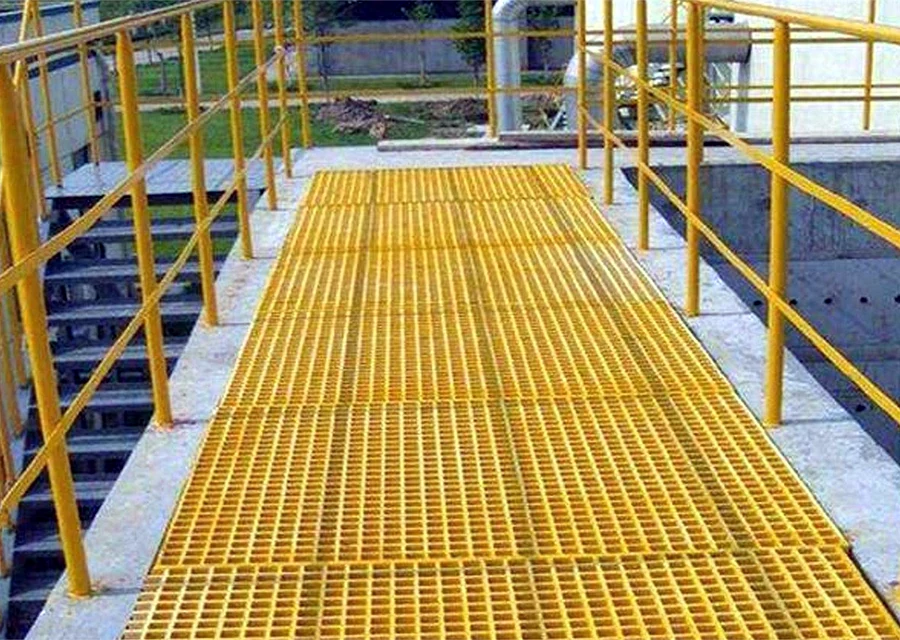
FRP grating RFQs become easier to review when the buyer describes the wet or corrosive environment, panel size, support condition, surface requirement, color or resin request, quantity, destination, and drawings before asking for pricing. A short inquiry such as "need fiberglass grating" usually leaves too many open questions for accurate project review.
Answer summary: A useful FRP grating RFQ should confirm the application, environment, panel size, support span or opening size, grating thickness, mesh size, walking surface, color or resin request if known, quantity, packing needs, and destination.
Why FRP grating RFQs need application details
FRP grating is often reviewed for wet flooring, corrosive access areas, trench covers, maintenance platforms, drainage routes, and pedestrian walkways. The same product name can cover different site conditions, so QY should not assume the correct grating only from a short product label.
The first RFQ note should explain where the grating will be used. For example, a wet maintenance walkway, a drainage trench, a car wash floor, and an industrial platform can each require different support review, panel layout, surface notes, and packing details.
For product options, see molded FRP grating and FRP trench covers.
Confirm the environment before choosing details
For wet or corrosive flooring, the environment matters because it shapes the review of material, surface, color, resin request, and support conditions. Buyers should describe the site in practical terms instead of making unsupported performance claims.
Useful environment notes include:
- Indoor or outdoor use.
- Wet, oily, chemical, wash-down, coastal, or normal pedestrian condition.
- Expected foot traffic, cart traffic, or maintenance access.
- Drainage need, trench opening, or floor opening.
- Any project standard, drawing, or previous product reference.
If chemical exposure is important, the buyer should send the actual chemical condition or project document. QY should review the request instead of guessing chemical resistance from a general message.
What dimensions should buyers send?
Panel size and opening size are not the same thing. Panel size describes the grating piece. Opening size describes the area, frame, trench, or support condition where the panel will sit.
For new projects, drawings are best. If drawings are not ready, buyers can still send:
- Overall opening length and width.
- Required panel size if already decided.
- Support direction and support span if known.
- Whether panels need to be removable.
- Cutouts, corners, pipe openings, or irregular shapes.
- Quantity by size.
For trench or drainage projects, the support lip, frame condition, and removable panel requirement should be described clearly. A photo with measurements is better than a photo alone.
Surface, color, and resin notes
FRP grating surface and color requests should be written in the RFQ when they matter to the project. Buyers may need a gritted surface, concave surface, specific color, or resin request, but those details should be confirmed against the actual product range and project need.
QY should not promise a chemical or anti-slip result without reviewing the site condition and specification. The RFQ should describe the expected condition and let the supplier check the product match.
For broader selection notes, see the FRP grating selection guide.
Decision table: FRP grating RFQ details
| RFQ detail | Why it matters | What buyers should send |
|---|---|---|
| Application | Defines the use case | Wet floor, trench cover, platform, walkway, car wash, maintenance access |
| Environment | Guides material and surface review | Wet, corrosive, outdoor, wash-down, chemical, pedestrian, or cart traffic |
| Opening or panel size | Affects panel layout and quotation | Drawing, opening size, panel size, or size list |
| Support condition | Helps review span and seating | Support span, frame, support lip, bearing direction, or site photo |
| Thickness and mesh | Defines product basis | Required thickness, mesh size, or old sample reference if known |
| Surface | Affects walking and handling review | Gritted, concave, covered top, or project requirement |
| Color or resin | May affect product selection | Color request, resin request, or project document if available |
| Quantity and destination | Needed for quotation and packing | Pieces, square meters if used, destination country or port |
What if the buyer does not know the exact FRP specification?
Many buyers know the application before they know the exact product specification. That is normal. In that case, send the site use, opening size, photos, expected traffic, environment, quantity, and destination first.
QY can then review what information is missing before quotation. The buyer may still need to confirm thickness, mesh size, resin, surface, color, and support details before final pricing.
RFQ checklist
Before sending an FRP grating RFQ, prepare:
- Application or project use.
- Wet, corrosive, chemical, outdoor, or normal indoor condition.
- Drawing, sketch, site photo, or old product reference.
- Opening size, trench size, or panel size.
- Support span, frame, or support lip if known.
- Thickness and mesh size if already specified.
- Surface request, such as gritted or concave.
- Color or resin request if known.
- Cutouts, removable panel notes, or layout marks.
- Quantity and destination.
- Packing, label, or loading request.
Related QY pages
- Molded FRP grating for wet and corrosion-resistant access flooring review.
- FRP trench covers for drainage and trench cover RFQs.
- FRP grating selection guide for thickness, mesh, surface, color, and environment notes.
- Contact QY Metal Tech to send drawings, site photos, size lists, and quantity details.
FAQ
What information should be included in an FRP grating RFQ?
Send the application, environment, opening or panel size, support condition, thickness or mesh request if known, surface, color or resin request, quantity, destination, and drawings or photos.
Can QY quote FRP grating without a drawing?
QY can start a preliminary review from site photos, opening sizes, panel sizes, application details, and quantity, but drawings or measured sketches are better for a cleaner quotation.
Should buyers choose FRP grating only because the area is wet?
No. Wet condition is one factor. Buyers should also confirm traffic, support span, surface, panel size, resin or color needs, and project requirements.
Why does support condition matter for FRP grating?
Support condition helps review how the panel will sit, how the opening is framed, and whether the buyer needs removable panels, cutouts, or special layout notes.
Related links
Related products and RFQ guides
- FRP grating productsOpen the related product family section.
- FRP grating topic entryFRP grating family page for molded FRP grating, trench covers, car wash grating, tree grates and wet or corrosive access areas.
- FRP trench coversRelated product or guide page.
- FRP grating selection guideRelated product or guide page.
- FRP Grating vs Galvanized Steel Grating for Wet AreasComparison guide for wet or corrosive area grating selection, covering FRP grating and galvanized steel grating by environment, traffic, support, cutouts and quotation details.
- FRP Trench Cover RFQ Guide for Wet and Corrosive AreasFRP trench cover RFQ guide covering trench opening size, support condition, panel size, surface, environment, traffic condition, quantity, packing and destination.


