
Wire Mesh Opening and Wire Diameter: What Buyers Should Confirm
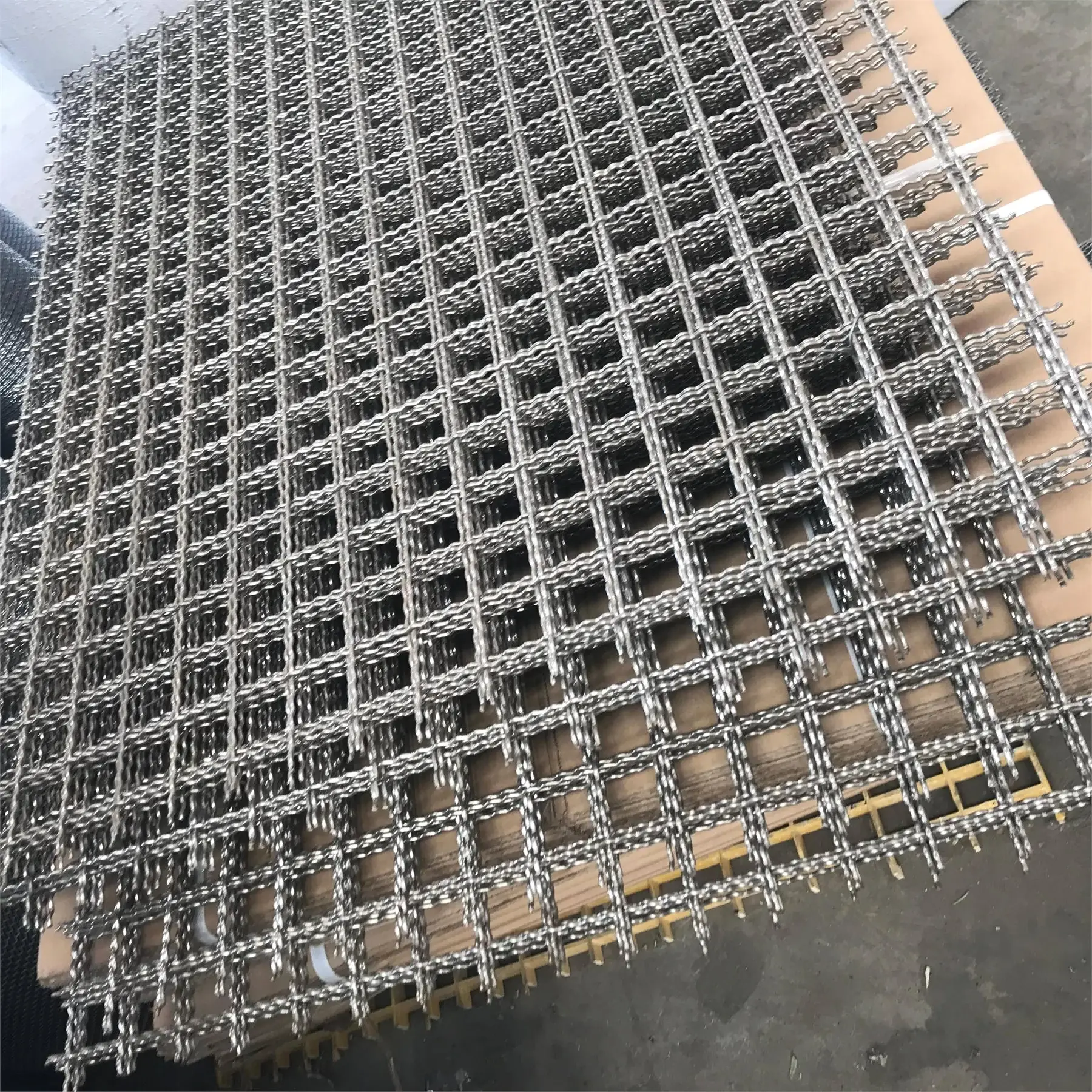
Wire mesh opening and wire diameter are two of the first details buyers should confirm before requesting a quotation. The opening describes the space between wires or the aperture size, while wire diameter describes the wire thickness. Together with material, mesh construction, roll or panel form, finish, size, quantity, and packing, these details define the RFQ basis for welded wire mesh, woven wire mesh, and related mesh products.
Answer summary: A useful wire mesh RFQ should not say only "wire mesh." It should state the mesh type, opening, wire diameter, material, form, finish, size, quantity, packing needs, and destination.
What does wire mesh opening mean?
Wire mesh opening usually refers to the clear space between wires or the aperture size. It helps describe how large the visible or functional spaces are in the mesh.
Buyers should avoid sending only a casual description such as "small mesh" or "large mesh." Those phrases can mean different things in different markets and applications.
If the buyer has a drawing, product standard, old sample, or photo with measurements, send it with the RFQ. QY can then review whether the description has enough detail for quotation.
What does wire diameter affect?
Wire diameter helps define the wire size used in the mesh. It can affect product description, weight, handling, rigidity, packing, and how the mesh is discussed for the application.
QY should not assume strength, compliance, or performance from a short inquiry. If the project has a technical requirement, the buyer should send the project document, drawing, or standard for review.
For product options, see welded wire mesh and woven wire mesh.
What inputs does a wire mesh opening calculator need?
A wire mesh opening calculator is only useful when the buyer identifies the mesh construction, counting or pitch basis, wire diameter and units. Mesh count, center-to-center pitch and clear opening are different inputs. Welded, woven, crimped, square and rectangular meshes should not be forced through one unlabeled calculation.
For a calculator or formula result, send the original inputs, unit system, wire condition, directional values when they differ, tolerance and the drawing or sample used for checking. QY can compare those declared values with the requested product and quotation scope. The result does not by itself prove finished opening, filtration rating, airflow, strength or compliance.
For fine woven mesh and micron wording, use the mesh count versus opening-size guide.
Should buyers choose welded or woven wire mesh?
Welded and woven wire mesh differ by construction. Welded wire mesh is made from wires joined at intersections, while woven wire mesh is interlaced. The right choice depends on application, opening, wire diameter, material, form, finish, and handling needs.
Use this as a starting point:
- Consider welded wire mesh when panel form, rigidity, or welded intersections are part of the project requirement.
- Consider woven wire mesh when interlaced construction, roll form, or flexible mesh behavior is expected.
- Do not choose only by name. Confirm opening, wire diameter, material, size, finish, and packing before pricing.
For a related comparison page, see the welded and woven mesh guide.
Decision table: what to confirm before RFQ
| RFQ detail | Why it matters | What buyers should send |
|---|---|---|
| Mesh type | Clarifies welded, woven, or another construction | Product name, drawing, photo, or sample reference |
| Opening | Defines aperture or space between wires | Opening size, mesh count, pitch, or drawing note |
| Wire diameter | Defines wire size for quotation basis | Wire diameter, gauge, or project specification |
| Material | Affects product selection and finish review | Steel, stainless steel, galvanized wire, or other request |
| Roll or panel form | Affects handling and packing | Roll width and length, panel size, or sheet quantity |
| Finish | Affects surface requirement and packing notes | Galvanized, PVC coated, stainless, painted, or other finish |
| Quantity and destination | Needed for quotation and export packing | Pieces, rolls, square meters if known, country or port |
What if buyers only have a sample photo?
A sample photo can help, but it usually needs supporting details. The buyer should add a ruler, drawing mark, or measurement note when possible.
Useful supporting details include:
- Opening measurement.
- Wire diameter if known.
- Roll width, roll length, or panel size.
- Material and finish expectation.
- Application, such as fencing, screening, guarding, filtration support, or reinforcement.
- Quantity and destination.
If the photo is from an old product, mention whether the buyer wants an exact match or only a similar function.
RFQ checklist
Before sending a wire mesh RFQ, prepare:
- Mesh type, such as welded wire mesh or woven wire mesh.
- Opening, aperture, pitch, or mesh count if known.
- Calculator or formula inputs, units and tolerance when a calculated opening is supplied.
- Wire diameter or gauge if known.
- Material.
- Roll form, panel form, or sheet form.
- Width, length, panel size, or sheet size.
- Surface finish or coating request.
- Application and project use.
- Quantity and destination.
- Packing, label, or loading request.
- Drawing, specification, sample photo, or existing product reference.
Related QY pages
- Welded wire mesh for welded mesh panel and roll review.
- Woven wire mesh for interlaced mesh options.
- Welded and woven mesh guide for a related construction comparison.
- Contact QY Metal Tech to send measurements, drawings, photos, and quantity details.
FAQ
What is the difference between wire mesh opening and wire diameter?
Wire mesh opening describes the aperture or space between wires. Wire diameter describes the wire thickness. Both details are needed because they define different parts of the mesh specification.
Can QY quote wire mesh from a photo?
QY may be able to start a preliminary review from a clear photo, but opening, wire diameter, material, size, finish, quantity, and destination are still needed for a cleaner quotation.
Is welded wire mesh always better than woven wire mesh?
No. Welded and woven wire mesh serve different construction and handling needs. Buyers should compare application, opening, wire diameter, material, form, finish, and project requirements.
What should buyers send if they do not know the wire diameter?
Buyers can send drawings, sample photos with measurement references, application details, size, material, finish, quantity, and destination. QY can review what is missing before quotation.
Related links
Related products and RFQ guides
- Wire mesh and sheet metal productsOpen the related product family section.
- Wire mesh and sheet metal topic entryWire mesh and sheet metal family page for welded wire mesh, woven wire mesh, expanded metal mesh and perforated metal sheet RFQs.
- Welded wire meshRelated product or guide page.
- Woven wire meshRelated product or guide page.
- Expanded Metal vs Perforated Sheet: What to Confirm Before RFQComparison and RFQ guide for expanded metal and perforated sheet, covering manufacturing method, pattern, open area, material, thickness, sheet size, finish, quantity and packing.
- Welded vs Woven Wire Mesh: Which Details Should Buyers Confirm?Wire mesh comparison and RFQ guide covering welded and woven construction, opening, wire diameter, material, roll or panel form, finish, size, quantity and packing.


