
Expanded Metal vs Perforated Sheet: What to Confirm Before RFQ
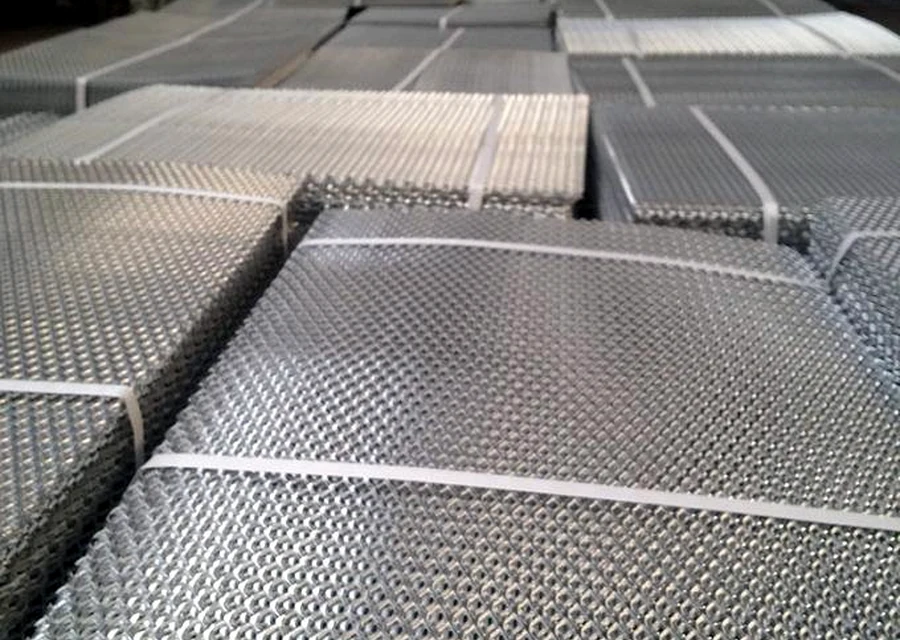
Expanded metal and perforated sheet are both open-area metal products, but they are not the same. Expanded metal is made by slitting and stretching sheet metal into openings, while perforated sheet is made by punching holes into a sheet. Buyers should compare material, thickness, opening or hole pattern, sheet size, open area needs, edge condition, finish, quantity, and packing before sending an RFQ.
Answer summary: Expanded metal is often reviewed when a stretched mesh structure is suitable. Perforated sheet is often reviewed when punched hole shape, pitch, appearance, or open area control is important. The better option depends on application and project details.
What is the main difference between expanded metal and perforated sheet?
Expanded metal starts as sheet metal that is slit and stretched to form openings. This creates a mesh-like sheet with strands and openings.
Perforated sheet starts as sheet metal that is punched with holes. The holes may be round, square, slotted, or another pattern depending on the project and tooling.
This manufacturing difference affects appearance, opening pattern, edge condition, flatness expectations, open area calculation, and RFQ details.
For product pages, see expanded metal mesh and perforated metal sheet.
Which product is a better fit?
Use this rule list as a starting point:
- Consider expanded metal when the project can use a stretched mesh pattern, strand structure, and expanded openings.
- Consider perforated sheet when the project needs punched holes, controlled pattern layout, specific hole shape, or a sheet appearance with repeated holes.
- Do not choose only by name. Confirm application, material, thickness, sheet size, opening, finish, and packing.
- Do not assume exact open area, strength, or flatness without confirming the pattern and project details.
Decision table: expanded metal vs perforated sheet
| Selection question | Expanded metal | Perforated sheet |
|---|---|---|
| How is it made? | Sheet is slit and stretched | Sheet is punched with holes |
| What pattern detail matters? | Strand width, opening size, raised or flattened form | Hole shape, hole size, pitch, pattern layout |
| What should buyers confirm? | Material, thickness, opening, sheet size, flat or raised form, finish | Material, thickness, hole shape, pitch, open area if important, finish |
| When is quotation unclear? | Opening, strand, sheet size, or flat/raised request is missing | Hole pattern, pitch, open area, or sheet size is missing |
| What should not be assumed? | Exact strength or open area without pattern review | Exact open area or performance without pattern calculation |
What RFQ details affect quotation?
Quotation depends on the details that define the sheet or mesh. Buyers should confirm:
- Material.
- Thickness.
- Opening size or hole pattern.
- Sheet size.
- Open area if important.
- Flat or raised expanded metal if relevant.
- Edge condition if important.
- Surface finish.
- Quantity.
- Packing request.
- Destination.
If the buyer has a drawing, sample photo, or existing specification, include it with the RFQ. If the buyer only has a function such as ventilation, screening, guarding, decoration, or filtration support, QY can review which details are still missing.
Which is better for ventilation or screening?
Neither product is always better for ventilation or screening. The choice depends on open area, pattern, material, thickness, sheet size, appearance, edge condition, and how the sheet will be installed.
For ventilation, buyers often care about open area and airflow. For screening, buyers may care about opening size, visibility, rigidity, and edge finish. For appearance, hole shape or expanded pattern may be a design requirement.
The safe RFQ approach is to send the application and any required open area or opening size instead of asking for a generic recommendation.
What should buyers avoid in the RFQ?
Avoid these issues:
- Asking for "expanded perforated mesh" without clarifying which product is needed.
- Requesting exact open area without giving hole pattern or opening data.
- Assuming one product is stronger without material, thickness, and design review.
- Sending only total square meters without sheet size.
- Forgetting finish, packing, and destination.
QY Metal Tech reviews product family, drawings, size, quantity, finish, packing, and destination details before quotation.
RFQ checklist
Before sending an expanded metal or perforated sheet RFQ, prepare:
- Material.
- Thickness.
- Opening or hole pattern.
- Sheet size.
- Open area if important.
- Surface finish.
- Flat or raised expanded metal if relevant.
- Edge condition if important.
- Quantity.
- Packing and destination.
- Drawing, sketch, sample photo, or application note.
Related QY pages
- Expanded metal mesh for expanded sheet products.
- Perforated metal sheet for punched sheet products.
- Expanded and perforated sheet notes for related selection notes.
- Contact QY Metal Tech to send drawings and RFQ details.
FAQ
What is the main difference between expanded metal and perforated sheet?
Expanded metal is made by slitting and stretching sheet metal into openings. Perforated sheet is made by punching holes into a sheet. This difference affects pattern, open area, edge condition, and RFQ details.
Which is better for ventilation or screening?
It depends on open area, opening or hole pattern, material, thickness, sheet size, edge condition, and appearance needs. Buyers should send the application and required pattern details before quotation.
What should be included in an expanded metal or perforated sheet RFQ?
The RFQ should include material, thickness, opening or hole pattern, sheet size, open area if important, finish, quantity, packing, destination, and drawings or photos.
Can QY calculate exact open area from a short description?
Exact open area should not be assumed from a short description. Buyers should send the hole pattern, opening details, pitch, drawing, or sample requirement so QY can review the quotation basis.
Related links
Related products and RFQ guides
- Wire mesh and sheet metal productsOpen the related product family section.
- Wire mesh and sheet metal topic entryWire mesh and sheet metal family page for welded wire mesh, woven wire mesh, expanded metal mesh and perforated metal sheet RFQs.
- Welded wire meshRelated product or guide page.
- Woven wire meshRelated product or guide page.
- Wire Mesh Opening and Wire Diameter: What Buyers Should ConfirmWire mesh RFQ guide explaining opening, wire diameter, material, roll or panel format, finish, size, quantity, packing, destination and buyer confirmation details.
- Welded vs Woven Wire Mesh: Which Details Should Buyers Confirm?Wire mesh comparison and RFQ guide covering welded and woven construction, opening, wire diameter, material, roll or panel form, finish, size, quantity and packing.


