
Galvanized Steel Grating Price Comparison: Per kg, m² or Panel
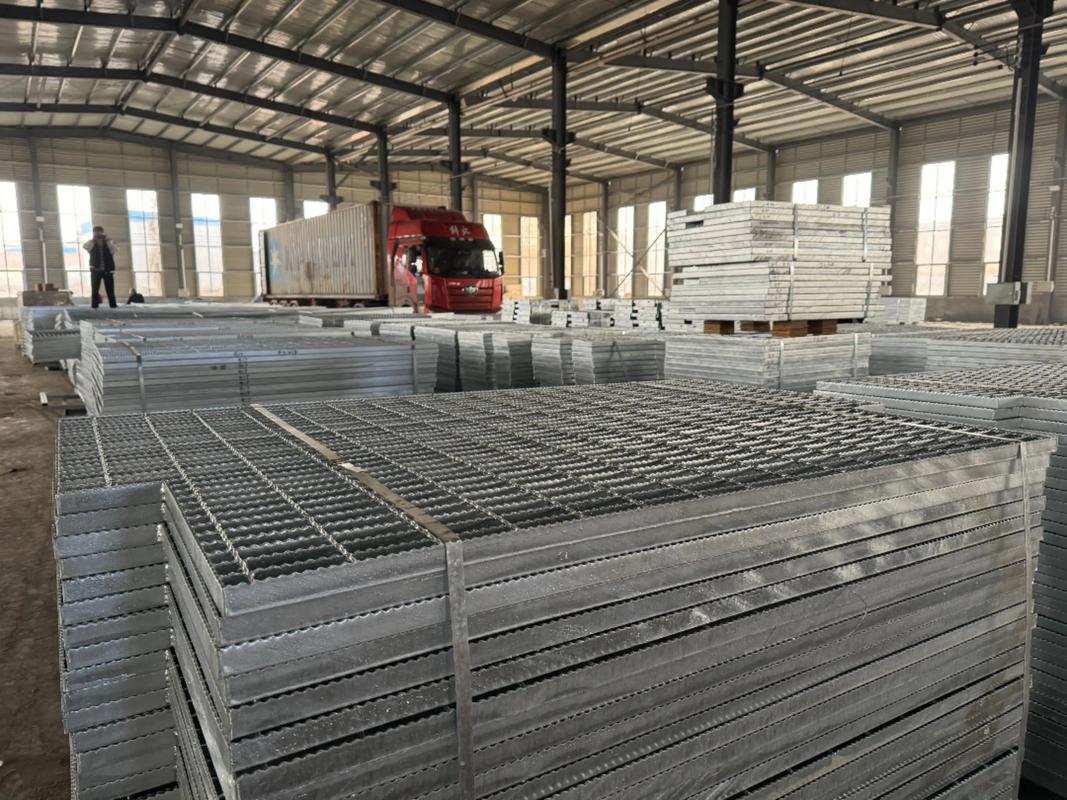
Compare galvanized steel grating prices by converting each quotation to an amount for the same finished-panel schedule: multiply the rate per kg by the agreed billable mass, the rate per m² by the agreed billable area, or the rate per panel by the panel count. Then add each separately priced required item once. Keep unpriced required items marked “unconfirmed”; a low known subtotal is not a complete comparable offer.
Start with one agreed panel schedule
QY Metal Tech’s galvanized steel grating quotation guidance asks buyers to confirm the base specification, fabrication details, galvanizing sequence, site exposure and packing protection.
Before doing the price comparison, ask each bidder to identify the same drawing revision, panel marks, quantities and required finish. Resolve differences in the underlying steel bar grating specification first. Do not compare a different bar size or fabrication scope as though only the rate had changed.
Convert the quoted rate into a base amount
| Quoted rate | Agreed input | Base calculation |
|---|---|---|
| Per kg | Finished billable mass M, in kg | Rate per kg × M |
| Per m² | Billable area A, in m² | Rate per m² × A |
| Per panel | Panel count N | Rate per panel × N |
Get the mass and area definitions in writing. Do not substitute a catalogue estimate for an agreed billable mass, assume that drawing area is the charged area, or infer either input from a photograph. For mixed panel sizes, record each quoted line separately and sum its calculated amounts.
Worked comparison: three units, one assumed scope
Everything in this example is fictional: rates, quantities, mass and charges are teaching inputs, not market prices, QY rates or actual product weights. Assume the same specified 10 finished panels, an agreed billable area of 30 m² and an agreed finished billable mass of 1,500 kg. All amounts use the same fictional currency unit. The comparison scope requires the same galvanizing and packing; assume the other supply and delivery conditions are identical. These are comparison subtotals, not landed costs including freight or taxes.
| Offer | Base amount | Required finish and packing | Comparable subtotal |
|---|---|---|---|
| A: 1.50 per kg | 1.50 × 1,500 = 2,250 | Galvanizing included; packing separately quoted at 100 | 2,250 + 100 = 2,350 |
| B: 70 per m² | 70 × 30 = 2,100 | Galvanizing separately quoted at 200; packing at 100 | 2,100 + 200 + 100 = 2,400 |
| C: 230 per panel | 230 × 10 = 2,300 | Both required galvanizing and packing included | 2,300 |
| D: 65 per m² | 65 × 30 = 1,950 | Galvanizing and packing unconfirmed | Not comparable yet |
Under these assumptions, C has the lowest reconciled subtotal among A, B and C: 2,300 versus 2,350 and 2,400. D has only a known base of 1,950. Its final comparison amount remains unknown; it cannot be declared the cheapest complete offer.
Record included, extra and unknown items differently
- Included: Record the bidder’s written inclusion and add no second charge for that same required item.
- Separately priced: Record the exact quoted amount and add it once. If another line already includes it, resolve the overlap before adding.
- Unconfirmed: Leave the comparison incomplete. Ask whether the required item is included or separately priced, and request the amount if extra. Do not enter zero just to finish the worksheet.
Use one comparison record per bidder: drawing revision and panel schedule; currency and delivery basis; quoted unit and rate; agreed mass, area or count; calculated base; written inclusions; separately priced required items; unresolved items; and reconciled subtotal. For an actual order, add every other required cost on the same basis before making a commercial decision. A completed worksheet does not establish engineering suitability or supplier quality.
Related links
Related products and RFQ guides
- Steel grating productsOpen the related product family section.
- Steel grating topic entrySteel grating family page for platform grating, stair treads, drain covers, serrated grating, galvanized grating and drawing-based RFQs.
- Galvanized steel gratingRelated product or guide page.
- Steel grating stair treadsRelated product or guide page.
- Steel Grating RFQ Checklist for International BuyersRFQ checklist for steel grating buyers covering application, panel or opening size, bearing bar direction, support span, finish, quantity, packing, destination and drawings.
- FRP Grating vs Galvanized Steel Grating for Wet AreasComparison guide for wet or corrosive area grating selection, covering FRP grating and galvanized steel grating by environment, traffic, support, cutouts and quotation details.


