
Serrated Grating vs Perforated Sheet: Clear Up a Mixed RFQ
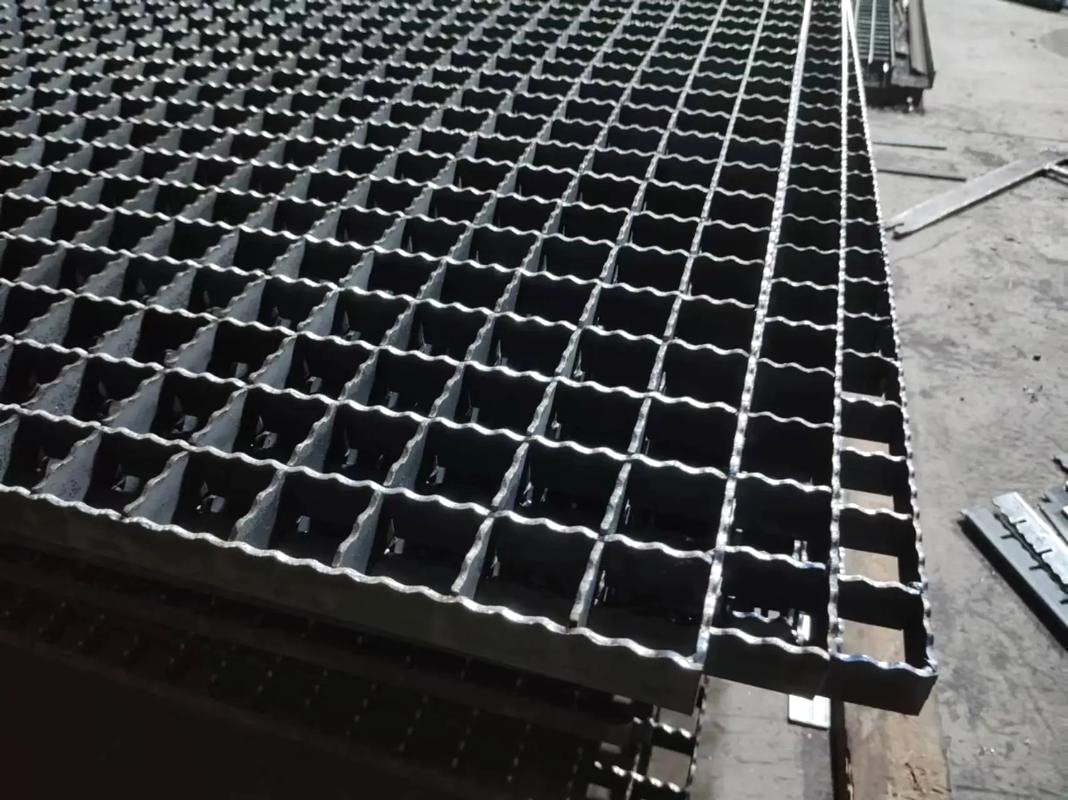
For the QY products compared here, serrated bar grating uses notched bearing bars; perforated metal sheet has punched openings in a sheet. Name the intended construction first, then keep its specification fields separate. If a request says “serrated perforated panel,” ask which construction the drawing requires before filling in the quotation details.
What does each word describe?
In QY’s serrated bar grating, “serrated” describes the notched bearing bars. Keep the surface description with the bar-grating product name, rather than treating it as a hole pattern.
Reference detail: notched top edges on bearing bars.
QY’s perforated metal sheet is punched with round, slotted, square or custom openings. Here, “perforated” describes the sheet’s openings. Keep that description with the sheet product name.
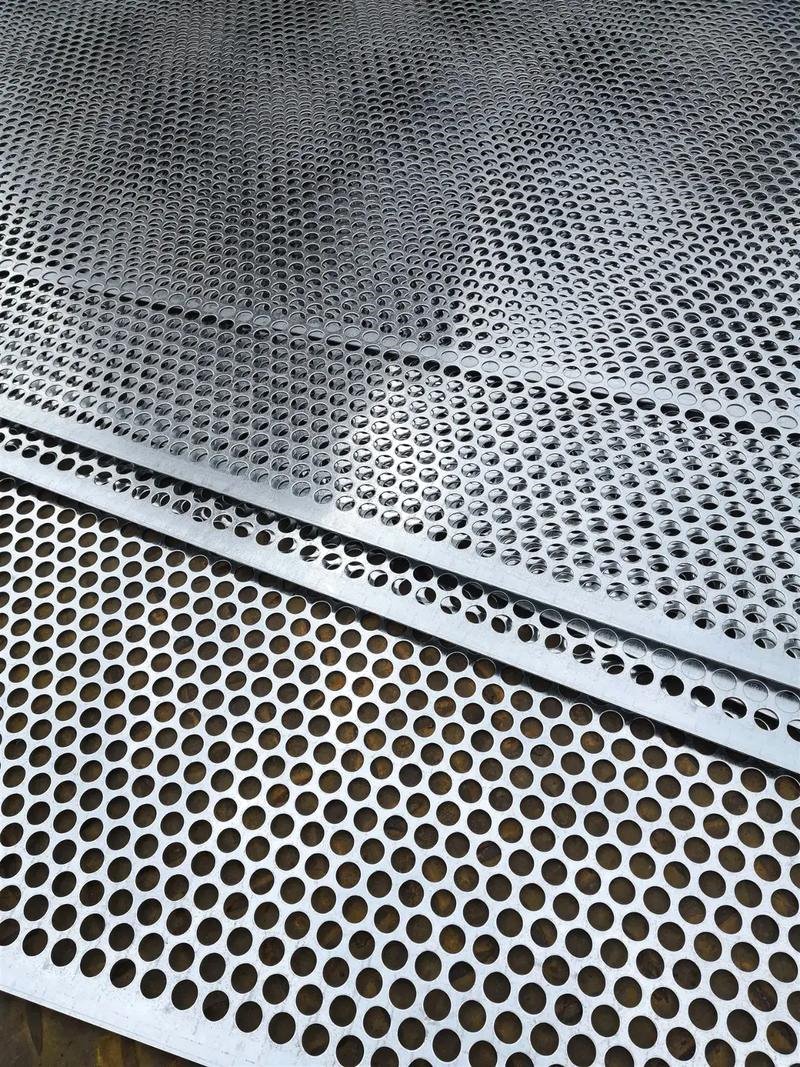
Use the two details to follow the terminology, then return to the product designation and drawing for the actual specification. This comparison concerns these two QY product descriptions, rather than every product that might be called “serrated” or “perforated.”
Keep the two sets of fields separate
QY’s bar-grating page asks buyers to confirm bearing-bar size, spacing, bearing direction and drawing details. The sheet page identifies hole pattern, sheet thickness, panel size and edge details. Put the appropriate field names beside the confirmed product name:
| What to clarify | Serrated bar grating | Perforated metal sheet |
|---|---|---|
| Construction wording | Notched bearing bars | Punched openings in sheet |
| Size and pattern fields | Bearing-bar size and spacing; bearing-bar and cross-bar pitch | Sheet thickness; hole shape, hole size, pitch and stagger |
| Drawing details | Panel size, bearing direction, support span and cutouts | Sheet or panel size, margins, edge details and forming requirements |
Do not transfer a value merely because both descriptions use words such as “panel,” “thickness” or “pitch.” Record which component and pattern the drawing is describing. Leave an unspecified value open for confirmation.
Correct the mixed line without inventing a specification
This deliberately incomplete, hypothetical purchase line needs clarification:
“Serrated perforated metal panels; [panel size]; [quantity].”
Start with one question: does the controlled drawing call for bar grating or punched sheet? If the designation is still unclear, keep the line open for confirmation. The following are alternative wording examples after that construction has been confirmed.
If the drawing specifies serrated bar grating
“Serrated bar grating; panel size [drawing value]; bearing-bar size and spacing [specified values]; bearing direction [drawing reference]; material and finish [specified requirements]; quantity [confirmed quantity].”
Keep the bar-grating fields together. Add the support-span and other drawing details requested by the product page when they are available; do not supply a bar size or finish from this example.
If the drawing specifies perforated metal sheet
“Perforated metal sheet; sheet or panel size [drawing value]; sheet thickness [specified value]; hole shape, hole size and pitch [specified pattern]; edge requirement [drawing detail]; material and finish [specified requirements]; quantity [confirmed quantity].”
Keep the punched-sheet fields together. Identify open area when it is a specified requirement, and refer any missing pattern or edge detail back to the drawing.
These examples clarify names and fields. They are not two approved replacements for the same application, and their placeholders are not manufacturing dimensions.
When the product name is still unresolved
Send QY the mixed description and the relevant drawing, and state the uncertainty directly: “Please confirm whether this line describes notched bar grating or punched sheet before quoting.” Keep any unknown dimensions or finish requirements marked for confirmation.
Use the photographs for the visible construction detail only. Do not infer dimensions, material grade, coating, load capacity, slip performance or project suitability from them.
Related links
Related products and RFQ guides
- Steel grating productsOpen the related product family section.
- Steel grating topic entrySteel grating family page for platform grating, stair treads, drain covers, serrated grating, galvanized grating and drawing-based RFQs.
- Galvanized steel gratingRelated product or guide page.
- Steel grating stair treadsRelated product or guide page.
- Steel Grating RFQ Checklist for International BuyersRFQ checklist for steel grating buyers covering application, panel or opening size, bearing bar direction, support span, finish, quantity, packing, destination and drawings.
- FRP Grating vs Galvanized Steel Grating for Wet AreasComparison guide for wet or corrosive area grating selection, covering FRP grating and galvanized steel grating by environment, traffic, support, cutouts and quotation details.


