
Technical resource
Hot-Dip Galvanized Steel Grating Guide
Choose hot-dip galvanized finish, fabrication sequence, inspection and packing details for outdoor steel grating RFQs.
Short answer
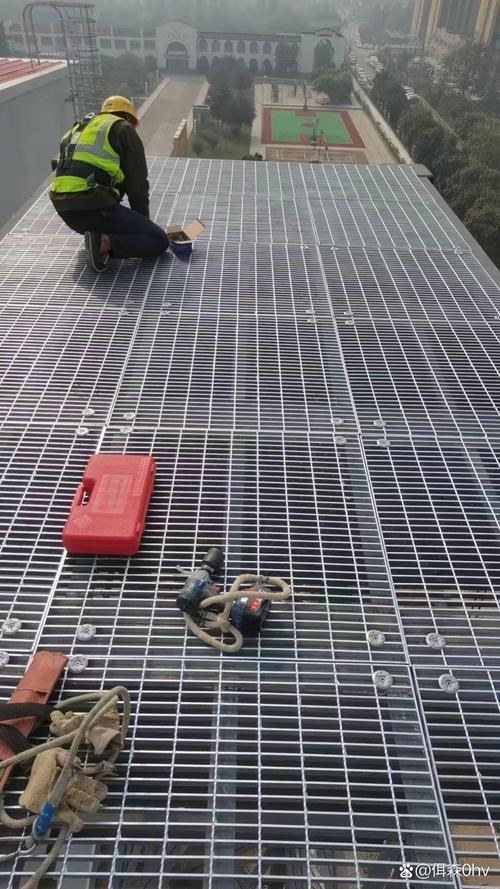
For most outdoor steel grating projects, hot-dip galvanizing after fabrication is the practical finish to discuss because it coats the panel surface, welded joints, cut edges and banded areas with zinc.
Hot-dip galvanizing is usually reviewed after cutting, welding, banding, drilling and side plate details are confirmed. This sequence helps exposed edges, welds and fabricated details receive zinc coating coverage instead of leaving weak corrosion points.
QY Metal Tech treats galvanizing as one part of the full specification. Buyers still need to confirm bearing bar size, cross bar spacing, panel direction, cutouts, banding, fixing clips, drawings and packing notes. Galvanizing helps protect steel from corrosion, but it does not replace correct load selection or proper support design.
Use the checklist to confirm grating structure, fabrication sequence, hot-dip galvanizing requirement, packing marks and shipment details before quotation.
Galvanizing specification factors
| Base product | Steel bar grating, serrated grating, stair treads, drain covers or heavy duty panels |
|---|---|
| Fabrication timing | Cutting, welding, banding, holes and side plates are normally confirmed before hot-dip galvanizing |
| Surface condition | Zinc coating helps protect exposed steel surfaces, welds and cut edges |
| Application | Outdoor platforms, wet walkways, drainage areas, wastewater plants and infrastructure |
| Packing | Bundles or pallets should protect galvanized surfaces during handling and export shipment |
Application matrix
Galvanizing specification matrix for outdoor RFQs
Use this matrix as a pre-RFQ reference. The final specification still needs drawings, load direction, support span, fabrication details and the buyer’s project standard.
| Project area | Finish direction | Surface choice | RFQ notes |
|---|---|---|---|
| Outdoor walkwayWeather-exposed access route | Hot-dip galvanizing after fabrication | Smooth or serrated, depending on water and oil exposure | Confirm span, support direction, clips and panel layout. |
| Drainage trench coverWet or removable cover panel | Hot-dip galvanized steel; stainless review for aggressive media | Serrated surface when pedestrian slip risk is high | Send clear opening, frame detail, cover size and lifting requirement. |
| Industrial platformMaintenance or equipment access | Hot-dip galvanized finish with packing protection | Smooth for dry access; serrated for wet service areas | Check load table, support span, cutouts, toe plates and labels. |
| Coastal or corrosive areaHigher corrosion exposure | Discuss galvanized steel versus stainless steel or FRP alternative | Project-specific traction review | Describe chemicals, humidity, salt exposure and maintenance plan. |
| Stair treadsOutdoor stair access | Galvanizing after nosing, side plates and bolt holes are finished | Serrated bearing bars are commonly requested | Confirm tread width, length, nosing type, side plate hole pattern and quantity. |
Selection workflow
How buyers should choose galvanized grating before RFQ
Use the galvanizing decision together with load, span, surface and fabrication details. This reduces specification gaps before quotation.
1. Confirm exposure
Outdoor, humid, wastewater, drainage and coastal projects usually need stronger corrosion planning than dry indoor areas.
2. Choose product type
Confirm whether the project needs standard bar grating, serrated grating, stair treads, trench covers or heavy duty panels.
3. Check load and span
Galvanizing does not determine strength. Bearing bar size, spacing and support span still need to match the load requirement.
4. Finish fabrication first
Cutouts, banding, side plates, holes, toe plates and frames should be confirmed before the panels are galvanized.
5. Review surface needs
Wet or oily walking areas may need serrated bearing bars in addition to galvanized corrosion protection.
6. Plan export packing
Bundle design, pallet marks and container loading notes help protect finished galvanized panels during shipment.
Common galvanized grating applications
| Outdoor platforms | Open-grid flooring for equipment access, service platforms and maintenance routes |
|---|---|
| Walkways and catwalks | Galvanized smooth or serrated panels for exposed pedestrian access |
| Drainage covers | Removable trench and channel covers where water can pass through the open area |
| Wastewater plants | Corrosion-exposed access areas that often require galvanized or stainless material review |
| Stair treads | Fabricated treads with side plates, nosing and bolt holes before galvanizing |
When galvanizing should be discussed early
- The grating will be installed outdoors or exposed to weather
- The walking surface may be wet, oily or frequently washed down
- The project includes cutouts, frames, side plates or stair tread holes
- Panels need export packing, labels and container loading support
- The buyer wants corrosion resistance without switching to stainless steel
Specification comparison
Galvanized grating is a finish decision, not only a product name
Many RFQs say “galvanized grating” but omit the base grating specification. A clearer quote should define both the grating structure and the zinc-coated finish.
| Product structure | Bearing bar size, bearing bar spacing, cross bar spacing, panel size and load direction |
|---|---|
| Surface type | Smooth bearing bars for general use or serrated bearing bars for improved traction |
| Fabrication | Banding, cutouts, frames, toe plates, side plates, nosing and fixing clip details |
| Finish | Hot-dip galvanizing after fabrication for outdoor corrosion protection |
| Project data | Application environment, quantity, destination, packing marks and drawings |
Before galvanizing
Checklist before panels enter hot-dip galvanizing
Most galvanized grating problems start before the finish stage: missing holes, late cutouts, unclear banding or changes after coating. Confirm these details before production moves to galvanizing.
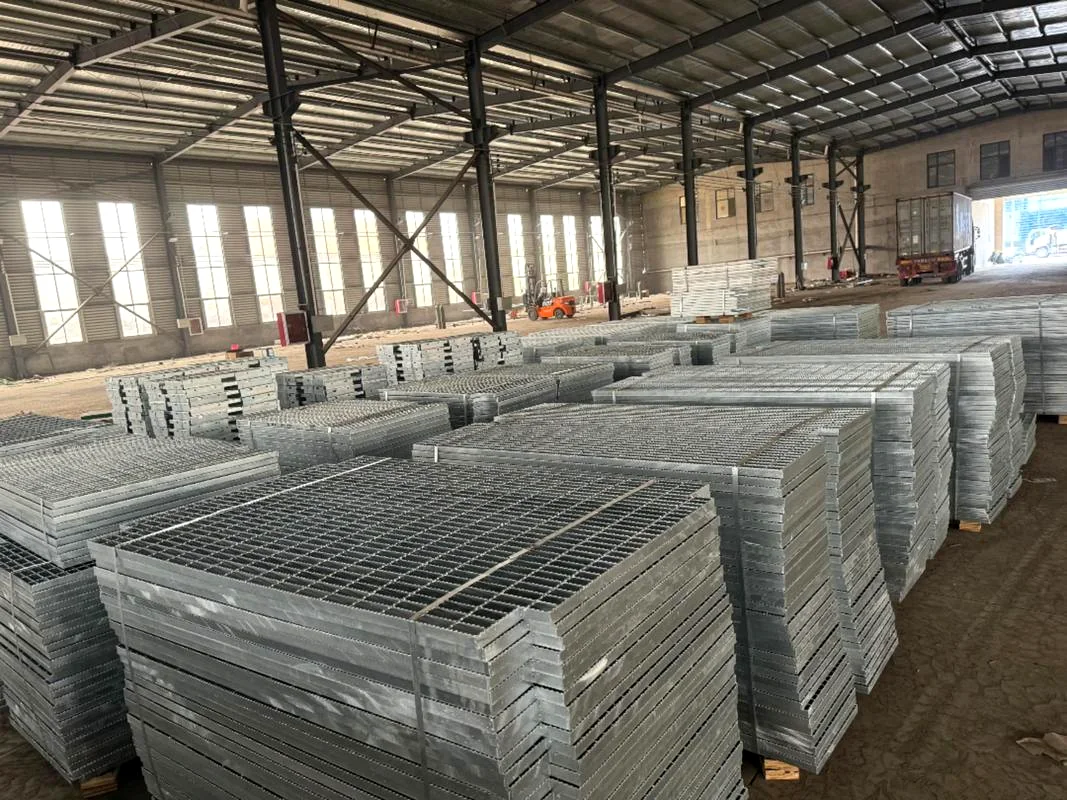
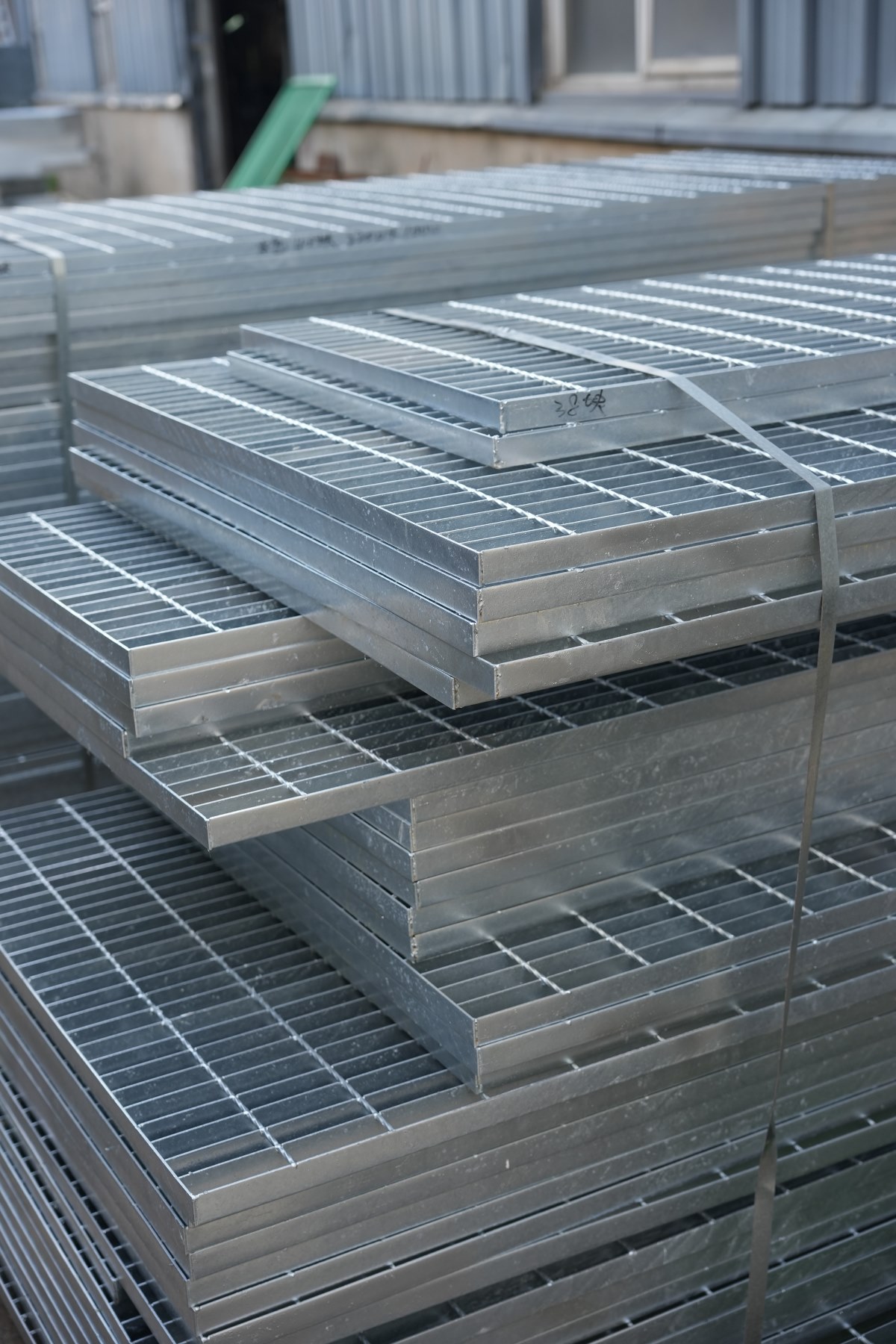
- 01Cut to size firstPanel size, notches and cutouts should be confirmed before galvanizing.
- 02Finish welding and bandingWelds, edge banding, frames and toe plates should be completed before coating.
- 03Confirm holes and accessoriesSide plate holes, fixing clips, lifting holes and accessory positions need drawing confirmation.
- 04Review drainage or vent needsClosed frames or special fabrication may need holes for process drainage and zinc flow.
- 05Avoid cutting after galvanizingLate site cutting can expose bare steel and may require zinc-rich touch-up review.
Inspection and packing points
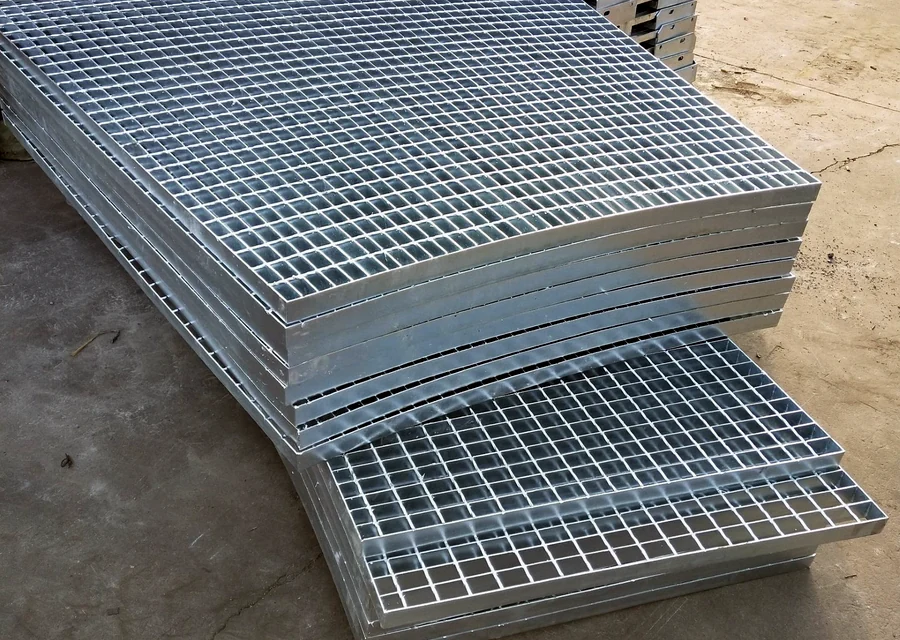
Before export packing, buyers can request checks that relate to both fabrication accuracy and galvanized surface condition. The most useful inspection points are usually dimensions, bar spacing, bearing bar direction, welds, banding, holes, surface finish and labels.
For galvanized grating, packing should avoid unnecessary rubbing during container loading. Project marks, bundle lists and pallet information also make it easier for the buyer to identify panels after arrival.
RFQ preparation checklist
| Drawings | PDF, DWG, DXF, sketch or photos showing panel layout and support direction |
|---|---|
| Grating data | Panel size, bearing bar size, bar spacing, cross bar spacing and load requirement |
| Galvanizing need | Outdoor, wet, humid, wastewater, infrastructure or other corrosion exposure notes |
| Fabrication details | Cutouts, banding, side plates, frames, holes, toe plates or fixing clips |
| Order details | Quantity, destination, packing preference, labels and delivery timing |
FAQ
What is galvanized steel grating?
Galvanized steel grating is fabricated grating that receives a zinc coating, usually by hot-dip galvanizing after cutting, welding and banding.
When should hot-dip galvanized grating be used?
Hot-dip galvanized grating is commonly used outdoors, in wet areas, wastewater plants, drainage zones and infrastructure projects where corrosion protection is important.
Can galvanized grating be serrated?
Yes. Galvanized serrated grating is often selected for outdoor walkways, stairs and wet access areas where both corrosion resistance and traction are needed.
Should grating be galvanized before or after fabrication?
For fabricated panels, hot-dip galvanizing after fabrication is usually preferred so cut edges, welds, banding and drilled details receive zinc coating coverage.
What information is needed for a galvanized grating quote?
Send drawings, panel size, bearing bar size, spacing, load requirement, finish requirement, quantity, destination and packing notes.
RFQ support
Need a galvanized steel grating quote?
Send drawings, panel size, bearing bar specification, finish requirement, quantity and destination. QY Metal Tech will review the details and reply with quotation support.
Product and RFQ path
Use this guide to move into the right product page
Use the galvanizing notes to decide whether the project should move into standard grating, galvanized grating or stair tread quotation.


