
Zinc Coating g/m² vs µm: Check the Surface Basis
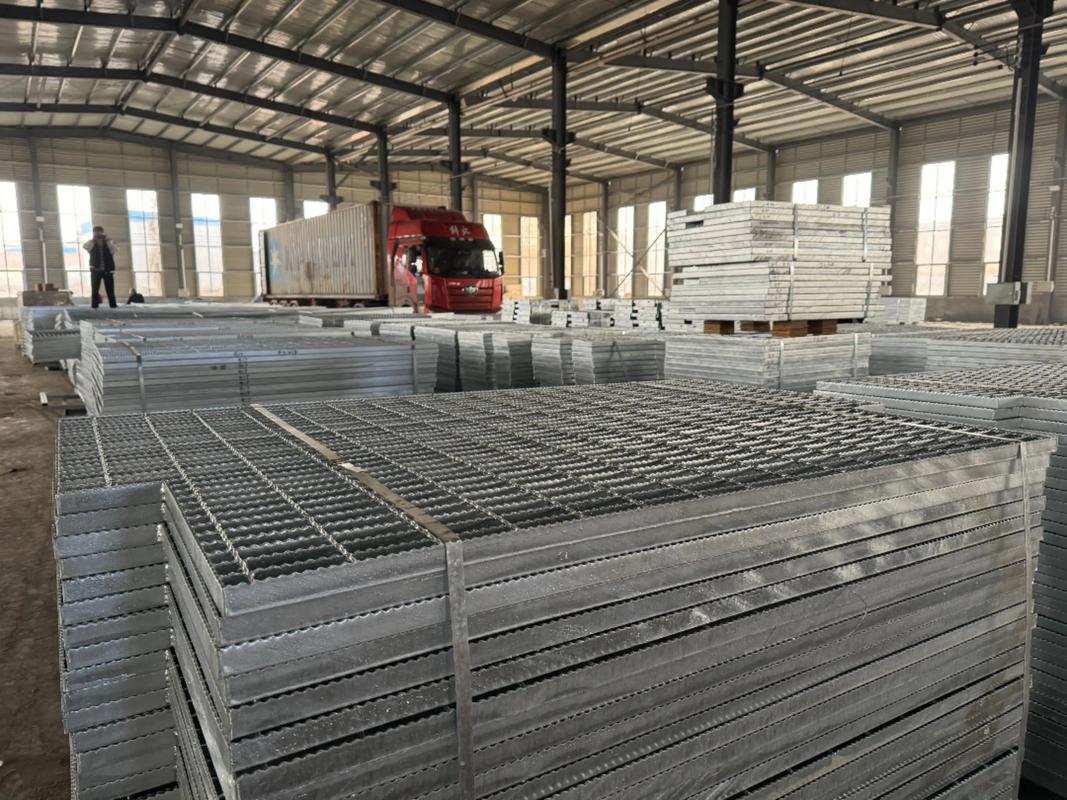
Compare galvanized steel grating coating values in g/m² and µm only after matching the coating composition and the area basis. For zinc, the approximate conversion is 7.14 g/m² per µm on the same defined surface. A hypothetical 285.6 g/m² therefore represents about 40 µm on one surface, or about 20 µm per face only when it is explicitly a two-face sheet total and equal distribution is assumed.
Mass per area and thickness describe different quantities
Coating mass in g/m² is mass divided by the stated area; thickness in µm is the depth of the coating layer. For the zinc-only conversion used here:
Thickness (µm) ≈ coating mass per area (g/m²) ÷ 7.14 (g/m² per µm)
The reverse calculation multiplies thickness by 7.14. Both calculations require the same area basis and coating composition.
One number, two explicitly different surface bases
All numbers below are hypothetical calculation inputs, not QY measurements, offered coating specifications or acceptance limits. Assume the zinc conversion above applies.
| Stated mass per area | Defined basis | Calculation | Approximate result |
|---|---|---|---|
| 285.6 g/m² | One coated surface | 285.6 ÷ 7.14 | 40 µm on that surface |
| 285.6 g/m² | Two-face sheet total; equal distribution assumed | (285.6 ÷ 2) ÷ 7.14 = 142.8 ÷ 7.14 | 20 µm per face under that assumption |
The second row first allocates half of the stated two-face total to each face, then converts that face’s mass per area to thickness. The equal-distribution assumption is essential: the two-face total alone does not establish the actual thickness on either face.
For continuous galvanized sheet, the coating-weight convention described by the American Galvanizers Association combines both faces. Do not transfer that convention automatically to batch-galvanized grating.
Apply the stated area basis to the grating requirement
For galvanized steel grating, first identify whether the reported mass is already divided by the actual coated surface area. If it is, do not halve it merely because the panel has a top and a bottom. Do not silently substitute panel length × width for the report’s area definition.
If the face distribution or area definition is unknown, keep the direct comparison unresolved. Converting the unit cannot supply that missing information.
Before comparing two requirements, put these definitions side by side:
- The coating composition and whether the zinc-specific factor applies.
- The original unit and its area basis: one surface, an identified surface group or a two-face sheet total.
- Any equal-distribution assumption, plus the locations and averaging scope stated in the report.
The approximate factor used here comes from U. S. Steel’s technical note on coating-weight designations and expressly excludes GALVALUME. It is a calculation aid, not a coating test or a statement that two products meet the same requirement. If the coating composition or area basis is missing from a requirement, send the original wording and your questions through the project contact form.
Related links
Related products and RFQ guides
- Steel grating productsOpen the related product family section.
- Steel grating topic entrySteel grating family page for platform grating, stair treads, drain covers, serrated grating, galvanized grating and drawing-based RFQs.
- Galvanized steel gratingRelated product or guide page.
- Steel grating stair treadsRelated product or guide page.
- Steel Grating RFQ Checklist for International BuyersRFQ checklist for steel grating buyers covering application, panel or opening size, bearing bar direction, support span, finish, quantity, packing, destination and drawings.
- FRP Grating vs Galvanized Steel Grating for Wet AreasComparison guide for wet or corrosive area grating selection, covering FRP grating and galvanized steel grating by environment, traffic, support, cutouts and quotation details.


