
Vent and Drain Holes in Ball Joint Railings
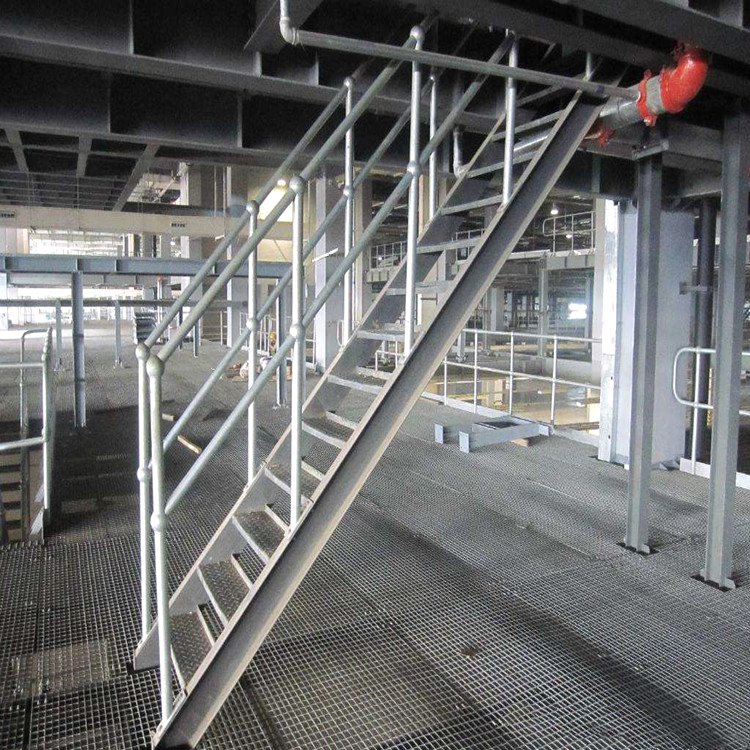
For tubular parts of ball joint railings undergoing hot-dip galvanizing, vent and drain openings provide paths for air and process liquids. They are not automatically fixing holes or missing fasteners. Read their purpose against the fabrication and galvanizing drawing, including the dipping orientation and the agreed condition after galvanizing.
Read high and low in the dipping position
Tubular fabrications enter and leave the galvanizing kettle at an angle. Venting is provided at high points and drainage at low points in that process orientation, which may differ from the final installed position.
Enclosed sections need venting and drainage provisions. One visible external hole does not establish that every hollow section has a flow path; the galvanizer needs to check the actual assembly.
Distinguish the hole functions
| Function | Purpose to identify on the drawing |
|---|---|
| Venting and draining | Passage for air and process liquids during galvanizing. |
| Hanging and racking | Handling or suspension during the galvanizing process. |
| Structural connection | Connection of the fabrication to another component or support. |
These functions can overlap. A hole’s appearance alone does not establish its intended role or whether it is suitable for a particular fixing.
Agree the condition after galvanizing
Vent and drain holes are often left open after galvanizing; some are plugged afterward when the project calls for it. Closure is therefore an order detail, not an automatic requirement to fill every visible opening.
When plugging is required, agree the material with the galvanizer and record the responsible party and timing in the purchase order. A material suitable for one environment is not automatically suitable for another, particularly where dissimilar metals are involved.
For example, ask for the marked drawing to separate process openings from connection holes and to identify any agreed post-dip closure. This is a drawing-review example, not a hole layout: leave the actual sizes, positions and any combined function to the matched fabrication and galvanizing details.
The process explanation follows the American Galvanizers Association’s Tubular Fabrications and Plugging Holes guidance. It does not establish QY hole dimensions, structural capacity, coating acceptance or a site-modification procedure.
Use the Ball Joint Railings specification for the product and finish context. Send the marked drawing and closure requirement for the quotation review.
Ball joint railing RFQ references
Use these references with the applicable project assumptions. They support pre-quotation screening and are not a certificate or engineering approval. Final quotation follows the confirmed drawing, dimensions, load or service conditions.
Technical checks before quotation
- Confirm platform or stair layout, handrail height and post spacing.
- Provide toe-board, base-plate, fixing and connection requirements where applicable.
- Confirm finish, site conditions and any local safety or access requirements.
Related links
Related products and RFQ guides
- Fencing and guardrails productsOpen the related product family section.
- Fencing and guardrails topic entryFencing and guardrail product pages for highway guardrails, welded mesh fence, chain link fence, double wire fence, municipal guardrails and railings.
- Welded mesh fenceRelated product or guide page.
- Chain link fenceRelated product or guide page.
- Welded Mesh Fence RFQ Guide for Site Boundary ProjectsRFQ guide for welded mesh fence projects covering boundary use, panel size, wire diameter, mesh opening, posts, finish, gates, accessories, quantity and destination.
- Chain Link Fence vs Welded Mesh Fence for Site Boundary RFQsFence comparison and RFQ guide covering chain link fence, welded mesh fence, panel or roll form, posts, coating, gates, accessories, quantity and destination.


